Time: 2026-05-12 03:38:39
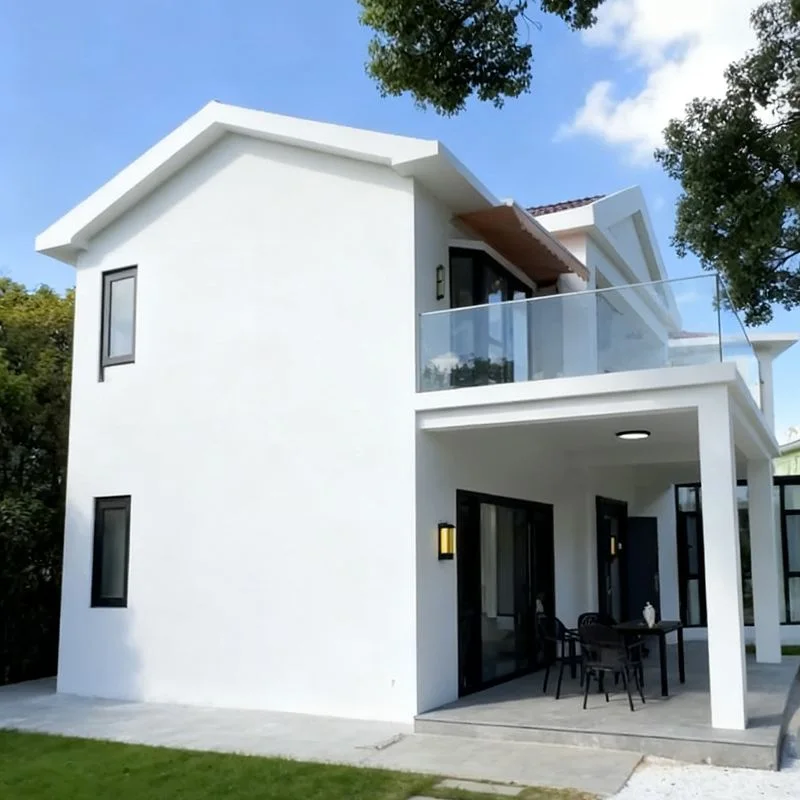
In recent years, the demand for flexible and cost-efficient residential solutions has increased significantly, especially in urban and suburban housing markets where space utilization has become a critical concern. Among the most effective responses to this demand are prefabricated modular granny flats designed for rapid onsite assembly. These compact yet fully functional living units are reshaping how homeowners, developers, and property investors approach secondary housing construction.
This article provides a comprehensive overview of prefabricated modular granny flats, including their structural advantages, application scenarios, installation process, and long-term value. It also explains why they have become a preferred solution in modern housing development strategies.
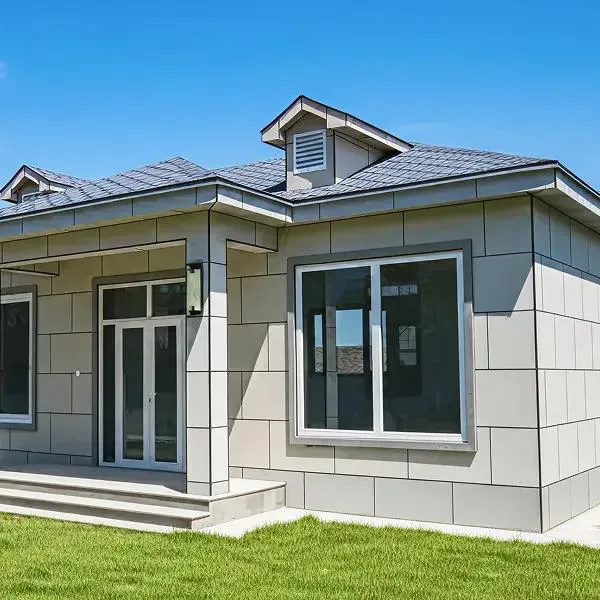
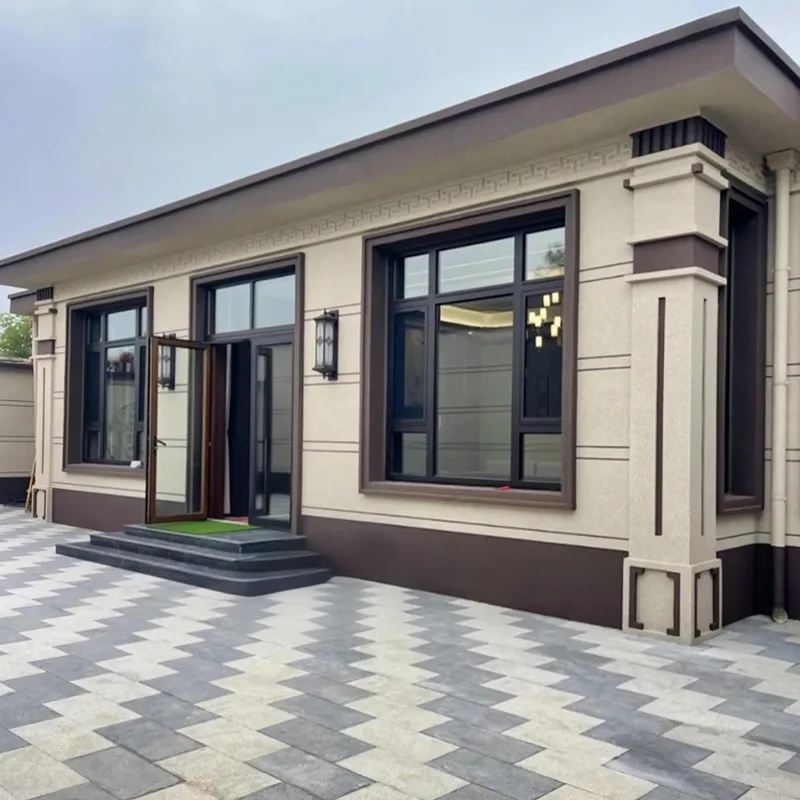
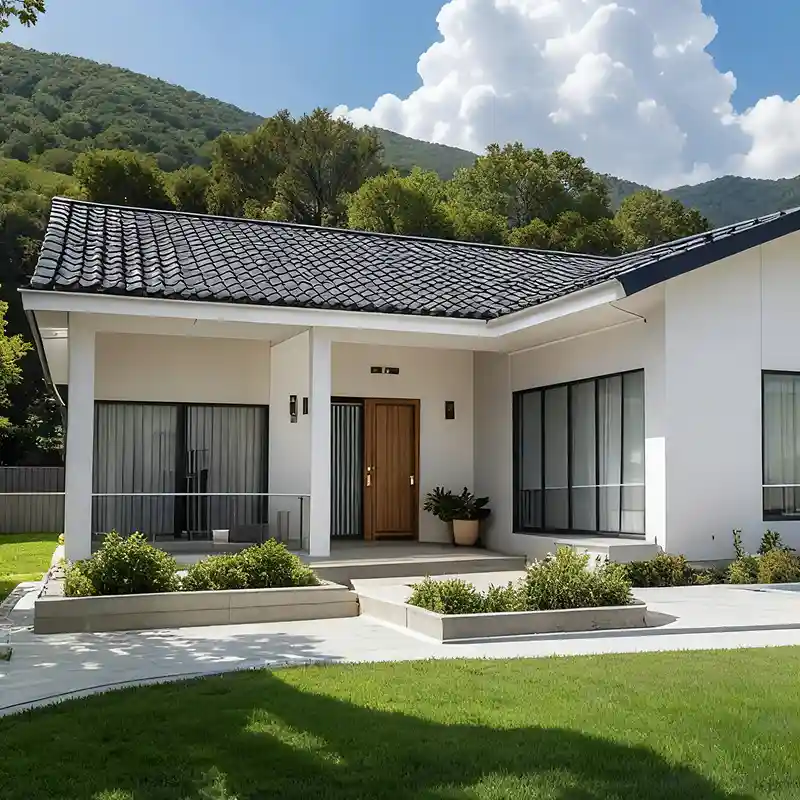
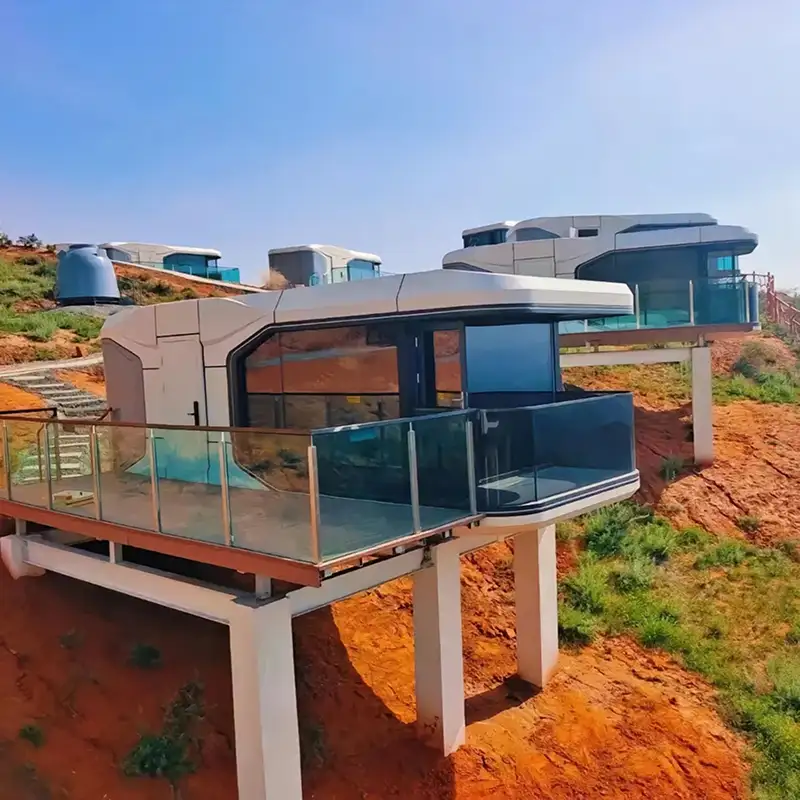
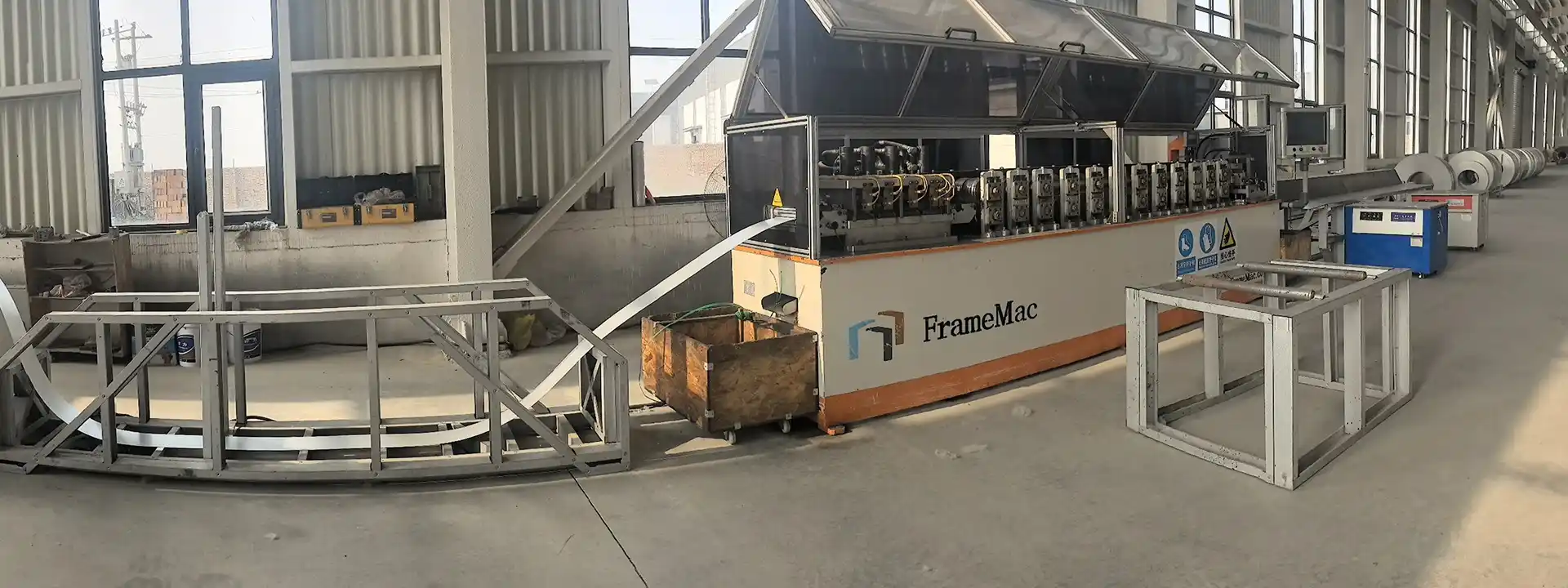
Prefabricated modular granny flats are independent residential units manufactured off-site in controlled factory environments and then transported to the installation location for quick assembly. Unlike traditional construction methods that require extensive onsite labor, weather dependency, and long building cycles, modular systems streamline the entire process by standardizing production and minimizing onsite work.
Each module is engineered with precision, including structural framing, insulation layers, electrical wiring, plumbing systems, and interior finishes. Once delivered, these modules are assembled like building blocks to form a complete living space that meets residential building codes and comfort standards.
One of the most significant advantages of modular granny flats is the speed of installation. Traditional home extensions or secondary dwellings may require several months of construction, while prefabricated systems can often be installed within days or weeks depending on site conditions and design complexity.
Rapid onsite assembly benefits homeowners in several ways:
Reduced Construction Disruption
Homeowners experience significantly less noise, dust, and disruption compared to conventional construction projects. Since most work is completed off-site, the installation phase is relatively quick and clean.
Lower Labor Dependency
Modular construction reduces reliance on large onsite construction teams, which helps mitigate labor shortages and associated cost fluctuations.
Predictable Timelines
Factory-controlled production ensures that delays caused by weather conditions are minimized, allowing for more reliable project scheduling.
Key Design Features of Modern Granny Flats
Modern prefabricated granny flats are no longer simple temporary shelters. They are designed to function as fully livable spaces that meet long-term residential needs. Common design features include:
Open-plan living areas that maximize spatial efficiency
Fully equipped kitchens and bathrooms with integrated plumbing systems
Energy-efficient insulation materials that improve thermal performance
Smart electrical layouts prepared for modern appliances and connectivity
Customizable interior finishes that allow personalization based on user preference
These features ensure that the unit is not only functional but also comfortable and aesthetically aligned with the main property.
Prefabricated modular granny flats serve a wide range of applications, making them highly versatile in both residential and semi-commercial environments.
For homeowners, these units often function as additional living space for elderly family members, adult children, or guests. They provide privacy while maintaining proximity to the main household, which is particularly valuable in multigenerational living arrangements.
For property investors, modular granny flats can generate additional rental income without the need for major structural changes to the primary residence. This creates an efficient way to increase property yield while maintaining flexibility in land usage.
In rural and semi-urban areas, these units are also used as caretaker housing, home offices, or short-term accommodation solutions, offering adaptable functionality based on changing needs.
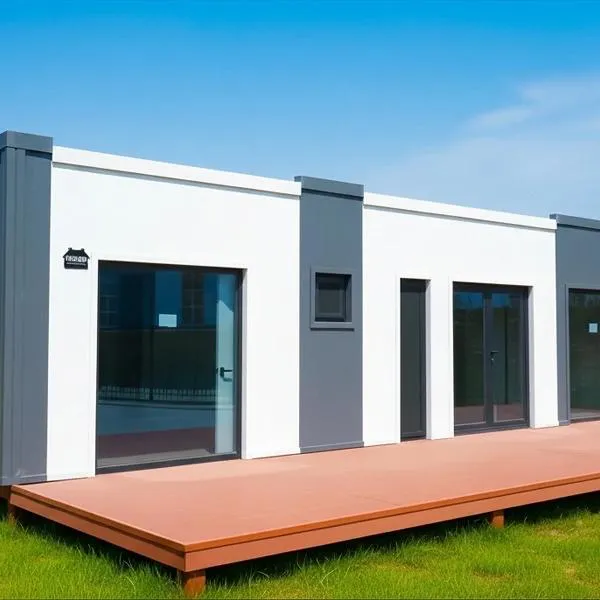
The installation of prefabricated modular granny flats typically follows a structured process to ensure safety and efficiency.
The first stage involves site evaluation and preparation, where the ground conditions, utility access, and zoning regulations are assessed. Once the foundation is prepared, the prefabricated modules are transported to the site using standard logistics methods.
After delivery, the assembly process begins. Cranes or lifting equipment position each module onto the foundation, where they are securely connected. Electrical and plumbing systems are then linked to the main infrastructure, followed by final inspections and finishing adjustments.
Because much of the construction work has already been completed in the factory, the onsite phase is significantly shorter than traditional building methods.
Modern prefabricated modular granny flats are increasingly designed with sustainability in mind. Manufacturers often use energy-efficient materials that reduce heat loss and improve indoor comfort. In addition, factory-based production reduces material waste compared to conventional construction sites.
Many modular units can also be integrated with renewable energy systems such as solar panels, rainwater harvesting systems, and energy-efficient HVAC solutions. These features contribute to lower long-term operational costs and support environmentally responsible building practices.
While the initial investment in a prefabricated modular granny flat may vary depending on size and specifications, the overall lifecycle cost is often lower than traditional construction. Reduced labor expenses, shorter build times, and minimized material waste all contribute to improved cost efficiency.
From a property value perspective, well-designed granny flats can significantly enhance the market appeal of a property. Buyers increasingly recognize the value of flexible living spaces that can adapt to changing family or rental needs.
Prefabricated modular granny flats for rapid onsite assembly represent a modern solution to evolving residential demands. They combine speed, efficiency, and design flexibility in a way that traditional construction methods struggle to match. As housing markets continue to prioritize adaptability and sustainability, these modular systems are expected to play an even greater role in shaping future residential development.
For property owners and developers seeking practical expansion options without the delays and uncertainties of conventional construction, modular granny flats offer a reliable and forward-looking alternative that aligns with both economic and lifestyle goals.
Contact Now