Time: 2026-02-25 05:59:39
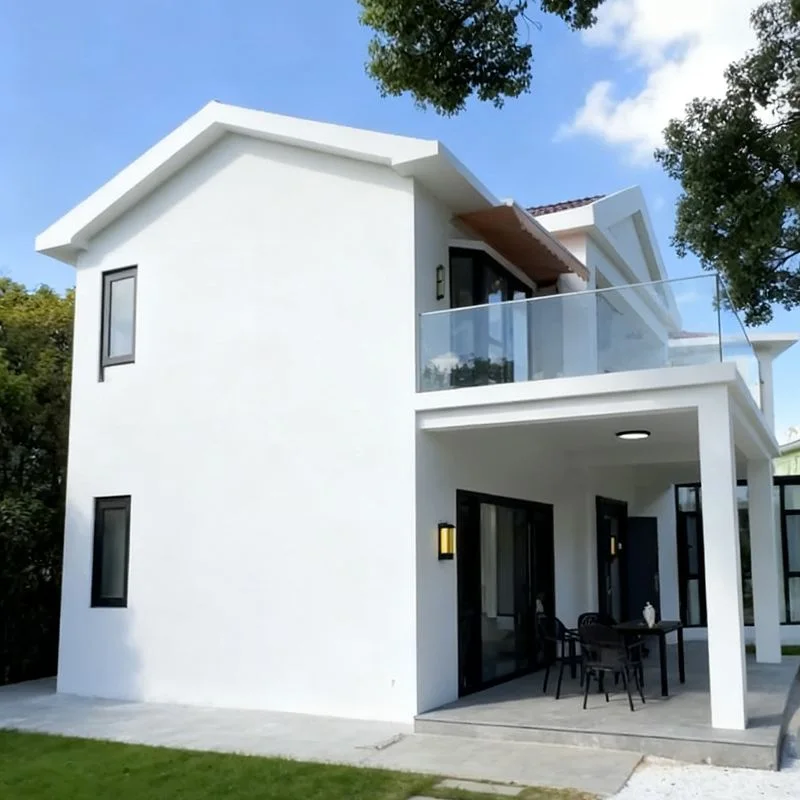
With the tightening of urban living space and the rise of multigenerational living arrangements, detached granny flats are becoming an ideal choice for an increasing number of families. Whether providing parents or grandparents with an independent, comfortable living space or serving as an investment rental unit, proper planning and construction of a granny flat can enhance property value. However, in practice, many homeowners often make mistakes in design, budgeting, and construction—errors that can not only increase costs but also compromise the living experience. This article delves into the most common pitfalls when building detached granny flats and offers practical solutions to help you create a safe, comfortable, and efficient living space.
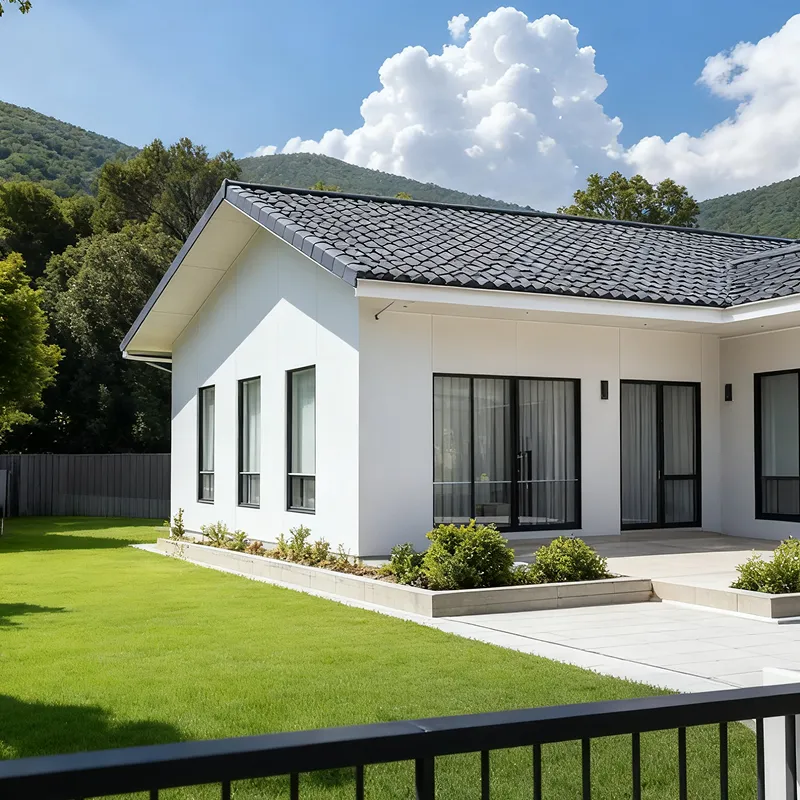
The most overlooked step before starting a granny suite project is understanding local land use policies and building permit requirements. Different regions have explicit regulations regarding the size, ceiling height, setback distances, building height, and even the appearance of granny suites. For example, some cities stipulate that the granny suite area cannot exceed 50% of the main residence or must maintain a certain distance from property boundaries. Failure to strictly adhere to these regulations may result in construction being halted, or even fines or forced demolition.
Recommendations:
Before breaking ground, verify all relevant policies with your local planning department.
Have your building plans reviewed by a professional designer to ensure legal compliance.
Consider applying for building permits in advance to avoid delays in the construction schedule due to approval processes.
Many homeowners focus solely on gross floor area when building granny suites, neglecting internal functional layout. Common issues include: undersized bedrooms, inadequate kitchen appliances, inconvenient bathroom locations, and insufficient storage space. These problems cause significant inconvenience during actual occupancy, especially for multi-generational households or long-term rentals.
Optimization Strategies:
Plan spaces based on user needs, such as designing barrier-free access and non-slip flooring for seniors.
Maintain efficient traffic flow in kitchens, bathrooms, and bedrooms to minimize wasted space.
Increase storage solutions like built-in cabinets, wall units, or multifunctional furniture to maximize small-space utilization.
Consider open layouts or foldable furniture to enhance flexibility and comfort.
Building a grandmother house typically involves multiple expenses, including land surveying fees, design fees, building materials, labor costs, as well as renovation and furniture expenses. Many homeowners rely solely on preliminary estimates during budget planning, often underestimating costs. This can lead to funding shortages and even compromise construction quality.
Recommendations:
• Collaborate closely with professional designers and construction teams to develop itemized budgets.
• Conduct market research on material costs to select durable, cost-effective options.
• Reserve 10%-15% contingency funds to cover unexpected construction expenses.
• Regularly review budget execution to ensure transparent and efficient fund utilization.
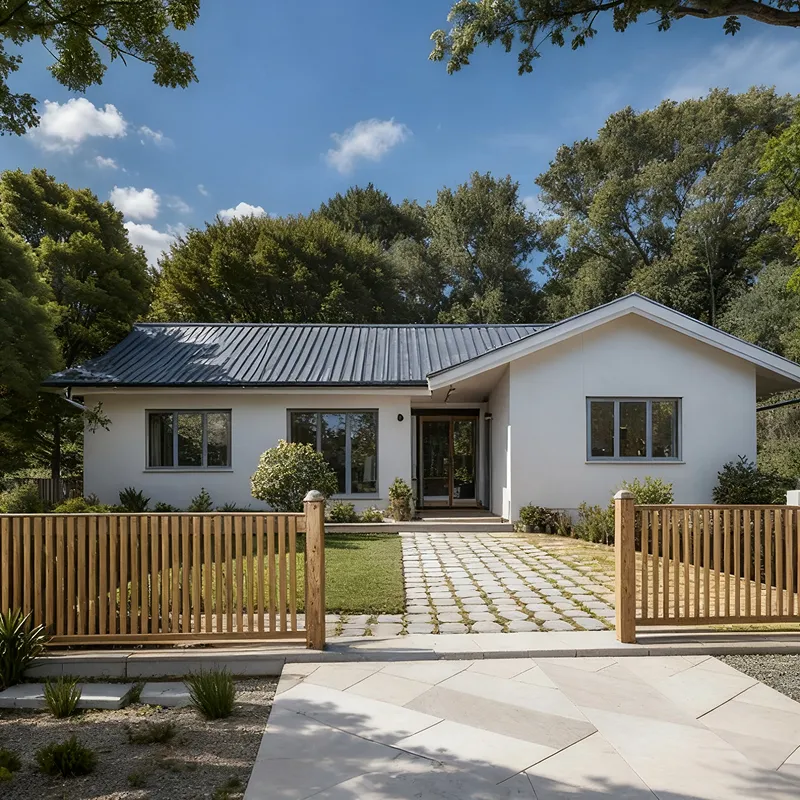
Granny flat typically features compact spaces. Without adequate lighting and ventilation, interiors can feel dark, damp, and stuffy. This not only compromises comfort but may also lead to health issues like mold growth or indoor air pollution.
Optimization Recommendations:
Maximize natural light: Strategically position windows based on sunlight patterns.
Install vents and skylights to ensure smooth airflow.
Use lightweight partitions or open layouts to enhance spatial openness.
Employ eco-friendly materials like moisture-resistant coatings and humidity-absorbing building materials to improve living quality.
To cut costs, some homeowners may opt for low-cost materials or overlook construction details, leading to issues like water seepage, wall cracking, and floor warping in older homes. This not only increases future maintenance costs but may also compromise overall safety.
Recommendations:
Select high-quality building materials suited to local climate conditions, such as those with excellent moisture resistance, crack prevention, and thermal insulation properties.
Hire experienced, reputable construction teams to ensure workmanship meets design specifications.
Conduct regular inspections during construction to promptly address potential issues and avoid costly rework.
Though detached, the annex's exterior style, color scheme, and garden layout should harmonize with the main residence. Inconsistent design can disrupt visual coherence and even diminish the property's overall value.
Optimization Strategies:
- Maintain consistent exterior styling with the main house, including roof profiles, exterior wall materials, and color schemes.
- Integrate garden and landscape designs with the main residence's courtyard to achieve visual harmony.
- Meticulously design architectural details—such as window frames, door handles, and lighting fixtures—to ensure stylistic consistency and elevate overall quality.
With the widespread adoption of green building principles, energy efficiency and environmental sustainability have become key trends in grandma house design. Overlooking these aspects not only increases energy consumption but may also impact long-term operating costs.
Optimization Strategies:
Install high-efficiency air conditioning and lighting systems.
Select wall and roof materials with superior insulation properties to reduce summer cooling costs.
Implement rainwater harvesting systems or solar water heating to improve utility efficiency.
Consider sustainable materials like eco-friendly wood and low-VOC paints to create a healthier living environment.
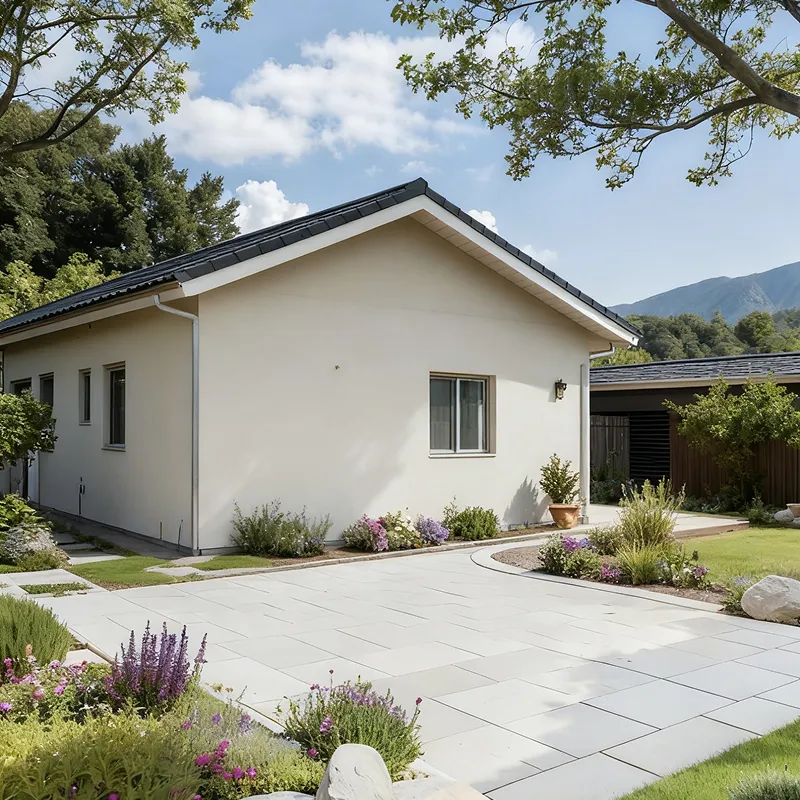
Building a standalone grandma house is a project with both investment and lifestyle value. However, every stage—from planning and design to construction and post-occupancy—requires careful consideration. Avoiding the common pitfalls outlined above ensures smooth project execution, transforming your granny flat into a safe, comfortable, and efficient living space while enhancing property value. If you're considering building a granny flat, we recommend collaborating with professional designers and construction teams from the outset. Develop a scientifically sound plan tailored to your actual needs, ensuring every dollar is spent wisely to achieve both ideal living and investment success.
Contact Now