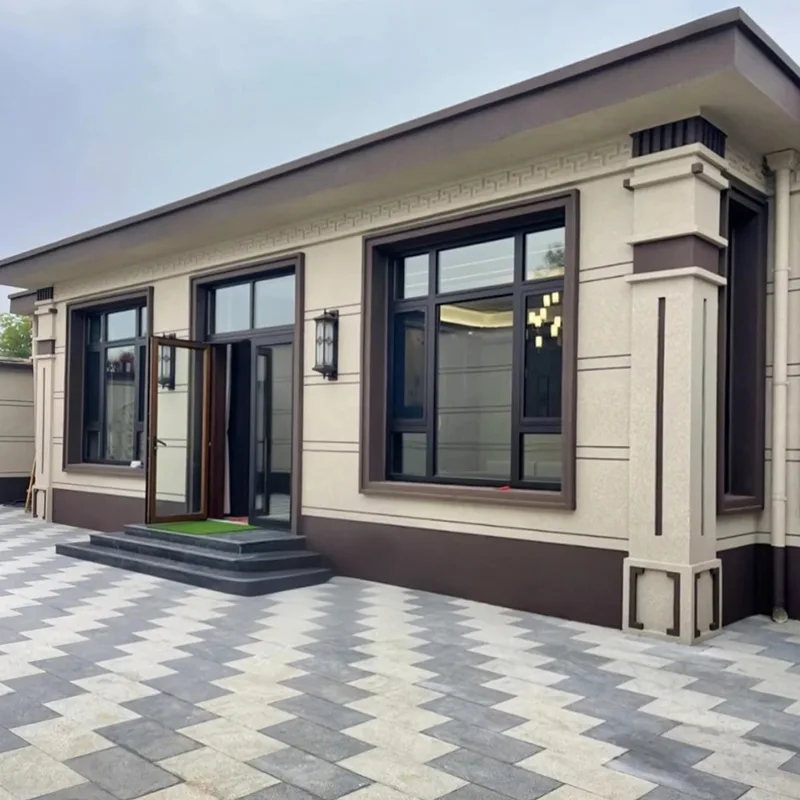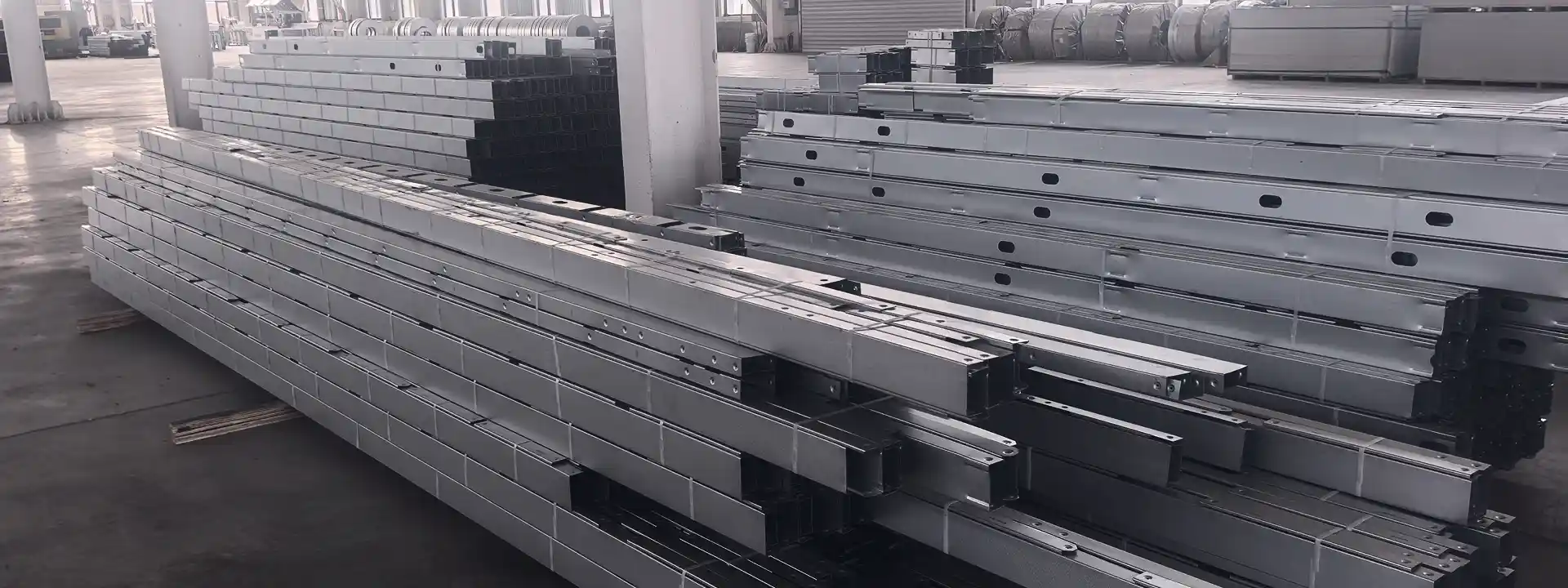
Light steel structure houses have gained significant popularity in modern construction due to their durability, cost-effectiveness, and environmental friendliness. At the core of these innovative homes lies a set of essential components that work together to ensure structural integrity, energy efficiency, and aesthetic appeal. Understanding these components is crucial for builders, architects, and homeowners who want to make informed decisions about light steel housing projects.
a. Superior Thermal Performance Advanced insulation panels and double-glazed windows reduce heat loss and gain. b. Moisture and Air Control Vapor and air barriers prevent condensation, mold, and structural damage. c. Eco-Friendly Materials Many insulation components are recyclable, supporting sustainable construction practices.
a. Structural Stability High-quality bolts, screws, and brackets ensure reliable connections between frames, panels, and floors. b. Quick Installation Prefabricated connectors allow rapid assembly without compromising precision. c. Modular Flexibility Easy to adjust or replace components, supporting modifications or expansions.
a. Weather Resistance Steel roof panels and exterior cladding protect against rain, snow, and UV damage. b. Lightweight and Strong Prefabricated roof panels reduce roof load while maintaining durability. c. Customizable Appearance Cladding comes in multiple textures, colors, and finishes, enhancing architectural aesthetics. d. Energy Efficiency Insulated roof panels help regulate indoor temperature and reduce energy consumption.
a. High Load-Bearing Capacity Steel joists and beams support heavy floor loads without compromising structural stability. b. Fast Assembly Prefabricated floor systems are quick to install, reducing overall construction time. c. Versatility Compatible with concrete topping, wooden floors, or laminate finishes. d. Moisture and Fire Resistance Subfloor panels and steel joists resist moisture and heat, extending flooring lifespan.
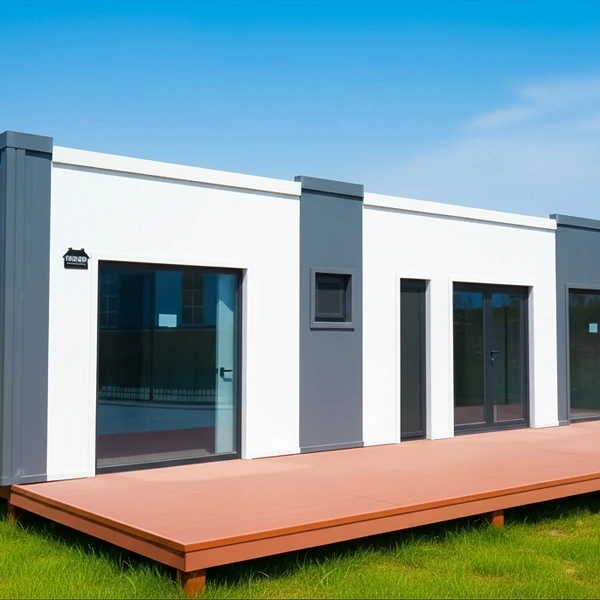
a. Thermal Insulation Insulated wall panels (EPS, rock wool, or polyurethane cores) maintain indoor temperatures, reducing heating and cooling costs. b. Fire Resistance High-quality steel panels are non-combustible, improving safety compared to traditional wood or concrete walls. c. Noise Reduction Sandwich wall panels provide soundproofing, enhancing indoor comfort. d. Lightweight and Easy Installation Panels are easy to transport and install, minimizing construction time and labor costs.
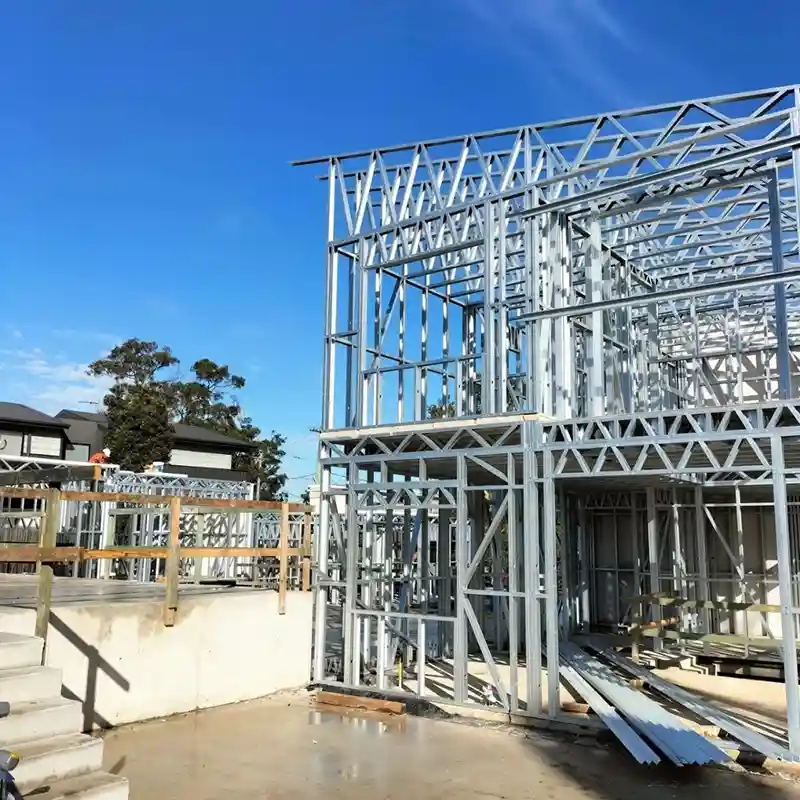
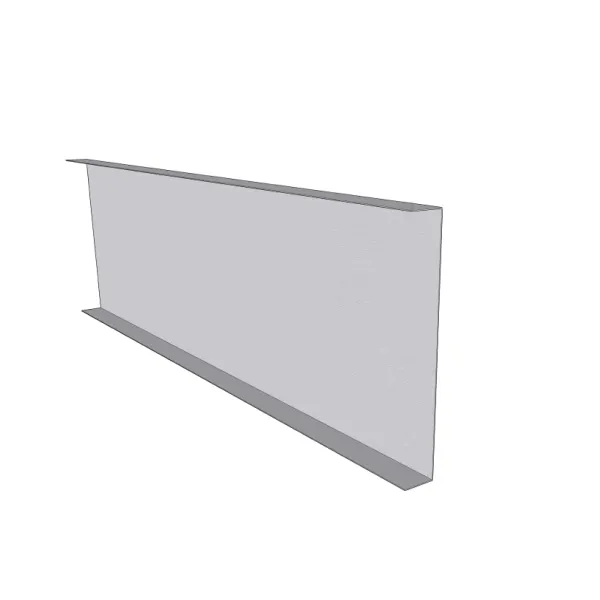
a. High Strength-to-Weight Ratio Steel frames provide exceptional structural strength while remaining lightweight, reducing foundation requirements. b. Precision Engineering Factory-made steel components are cut and shaped to exact dimensions, ensuring fast and accurate on-site assembly. c. Durability and Corrosion Resistance Galvanized or coated steel resists rust and environmental degradation, extending the lifespan of the house. d. Seismic and Wind Resistance Steel frames are flexible under stress, making light steel houses highly resilient against earthquakes and strong winds.
Light steel house components include all parts needed to build a prefabricated steel house: steel frames, wall panels, roof systems, floors, insulation, doors, windows, and fasteners. These components work together for a durable, energy-efficient, and easy-to-assemble home.
Components are typically supplied by light steel construction manufacturers, including prefabricated steel frames, wall panels, roof systems, and fasteners. Many suppliers also provide full assembly services for turnkey construction.
The primary material is galvanized light steel, known for strength, corrosion resistance, and long lifespan. It forms the framework for walls, roofs, and floors, ensuring structural stability.
Yes. Light steel structures are highly flexible. Floor plans, wall panels, and finishes can be tailored to your needs. Adding extensions or modifying layouts is simple with prefabricated steel components.
Absolutely. With galvanized steel frames and quality panels, light steel houses are resistant to termites, mold, fire, and extreme weather. Properly maintained, they can last 50+ years.
Components are prefabricated, then bolted or screwed together on-site. Assembly is fast and efficient, usually taking 30–50% less time than traditional brick-and-concrete houses.
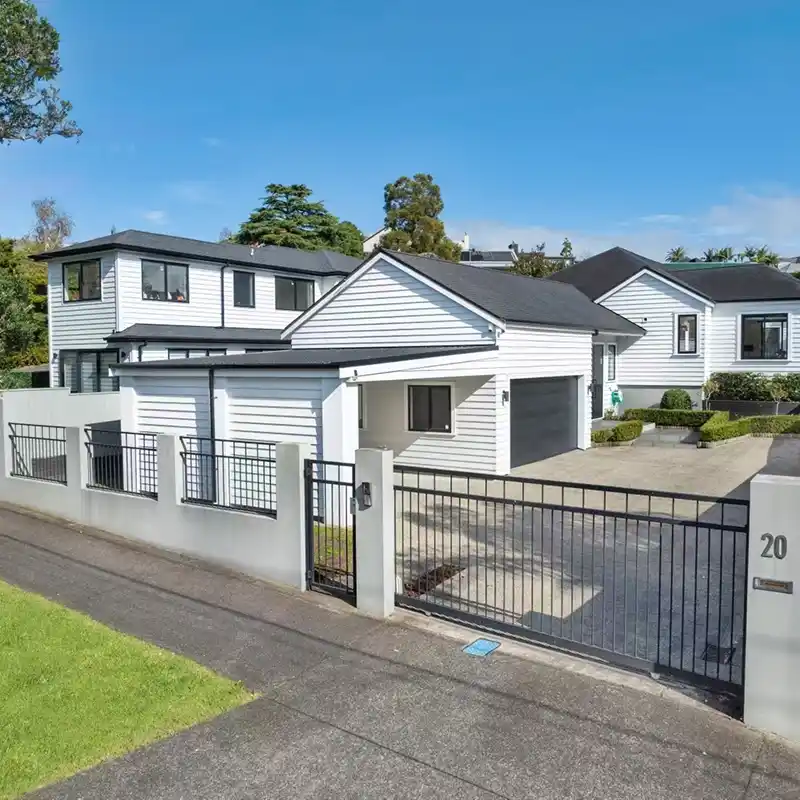
Yes. Prefabricated steel components can be engineered for multi-story houses, maintaining structural strength and safety standards.
Quick construction Durable and long-lasting Energy-efficient Customizable design Low maintenance costs
Contact Now