Time: 2025-10-22 06:32:39
As the construction industry's requirements for environmental protection, efficiency, and earthquake resistance continue to rise, lightweight steel structures are becoming an ideal choice for modern residential and commercial buildings. Their unique advantages, such as rapid construction, energy conservation and environmental protection, excellent earthquake resistance, and high space utilization, are attracting increasing attention. If you are planning to build a durable, eco-friendly, and comfortable lightweight steel villa or commercial building, a comprehensive understanding of the installation and construction process is the cornerstone of a successful project.
This article provides a detailed guide to the installation and construction of lightweight steel structures, from initial site preparation and foundation treatment to main structure erection, enclosure system installation, and finally interior decoration and final acceptance. We will guide you through each key step, ensuring the smooth progress of your lightweight steel building project and ultimately creating a safe, comfortable, and sustainable dream home. Whether you are a homeowner or a construction professional, this guide will be an indispensable reference.
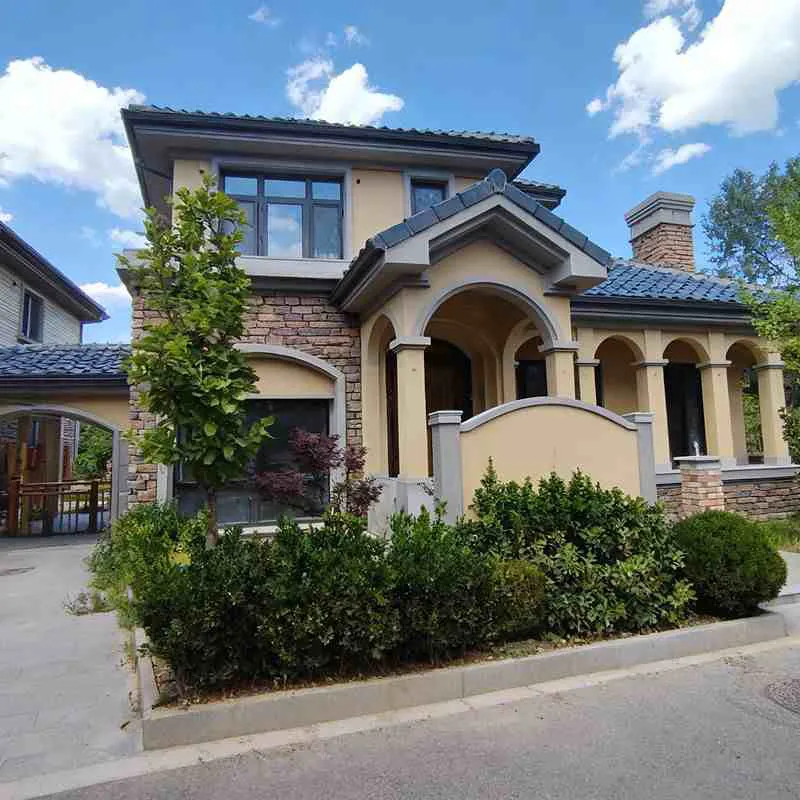
A successful light steel building project begins with thorough preparation. This phase directly impacts the efficiency and quality of subsequent construction.
Site Leveling and Precision Foundation Preparation
Site Clearance and Survey: Thoroughly remove debris and vegetation from the construction area. Conduct a professional geological survey to assess soil bearing capacity, groundwater level, and seismic intensity, which are crucial for the design of the light steel structure foundation.
Foundation Selection and Precision Construction: Based on the survey report and the building design, select the most appropriate foundation type for the light steel structure (such as strip foundation, isolated foundation, raft foundation, or pile foundation). Strictly follow the design drawings during construction to ensure absolute flatness, strength, and stability of the foundation. The foundation guarantees the overall safety and longevity of the light steel structure, so meticulous attention must be paid.
Design Drawing Review and Light Steel Material Preparation
Detailed Design Drawing Review: Carefully review all design documents, including the light steel structure architectural drawings, structural calculations, and utility pipeline diagrams, to ensure their completeness, accuracy, and constructability. Understanding every structural detail and connection point is key to avoiding later problems.
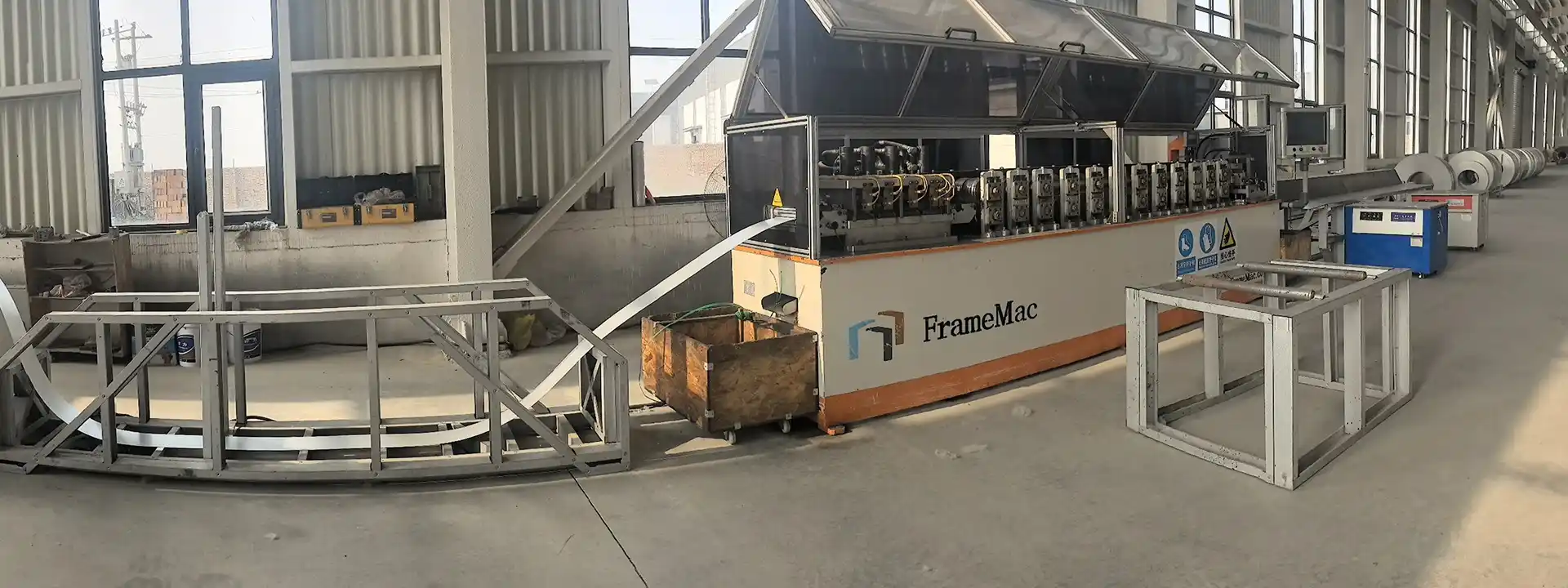
Lightweight Steel Component Production and Transportation: Ensure that all major components, including lightweight steel keels, wall panels, floor systems, and roof trusses, have been precisely prefabricated in the factory. Transport them to the construction site strictly according to plan, and undergo a thorough component inventory and quality inspection to ensure they are free of deformation and damage.
Supplementary Material Procurement: Prepare a complete set of insulation materials specifically designed for lightweight steel houses (such as glass wool and rock wool), waterproofing materials, high-quality doors and windows, roof tiles, interior and exterior wall decorative panels, plumbing and electrical lines, and various fasteners. All materials must comply with national standards and design requirements and be certified.
Professional Construction Team Formation and Safety Management
Professional Installation Team: Assemble a professional installation team with a deep understanding of lightweight steel structural systems, extensive experience, and sophisticated skills. This is key to ensuring construction quality and efficiency.
Safety Education and Protection: Provide comprehensive safety training to all construction personnel, and ensure they are equipped with the necessary personal safety protective equipment. Develop a detailed construction safety plan, especially strictly overseeing aspects such as overhead work, heavy machinery operation, and temporary electrical safety.
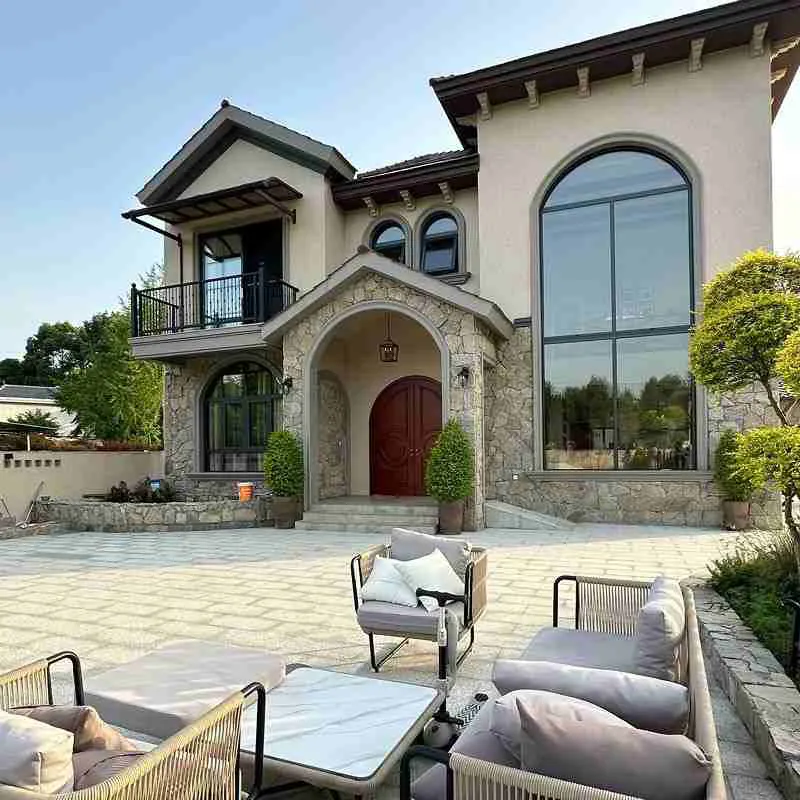
The main structure is the skeleton of a lightweight steel structure. The precision and strength of its installation directly determine the structural performance of the structure.
Foundation Connection and Moisture-Proofing and Anti-Corrosion Treatment
Foundation Top Surface Treatment: The top surface of the foundation is carefully leveled and professionally treated for moisture. Typically, a high-strength moisture-proof membrane or an environmentally friendly waterproof coating is applied to effectively prevent moisture from seeping up from below.
Connecting the Lightweight Steel Frame to the Foundation: The factory-prefabricated lightweight steel substructure frame is precisely installed on the foundation and securely fastened to the foundation using high-strength expansion bolts or specialized connectors. During this step, verticality, levelness, and diagonal dimensions must be repeatedly checked to ensure the frame is square.
Quickly Erecting the Wall Frame
Interior and Exterior Wall Frame Installation: The interior and exterior wall lightweight steel frame frames are installed one by one, strictly following the design drawings. High-strength self-tapping screws or rivets securely connect the studs to form a stable, load-bearing wall structure.
Door and Window Opening Preservation and Reinforcement: During the wall frame construction process, precise door and window opening dimensions are reserved according to the design drawings, and stud reinforcement is applied to the edges of the openings to ensure secure installation.
Floor and Roof Structure System Installation
Floor Beam and Truss Installation: Lightweight steel floor beams and trusses are installed between floors. These components are critical for supporting the floor load.
Floor Structural Panel Installation: Lightweight steel floor structural panels (such as OSB, cement fiberboard, or composite floor panels) are laid on the floor beams and securely fastened with specialized screws to create a solid, flat floor.
Roof Truss Erection: The lightweight steel roof truss system is constructed to accurately define the roof slope and provide support for subsequent roof panel installation and the roof drainage system. Roof Structural Panel Installation: The roof structural panels are laid, securely fastened with screws, and preliminary waterproofing is performed, laying the foundation for the subsequent installation of the roof waterproofing layer and tiles.
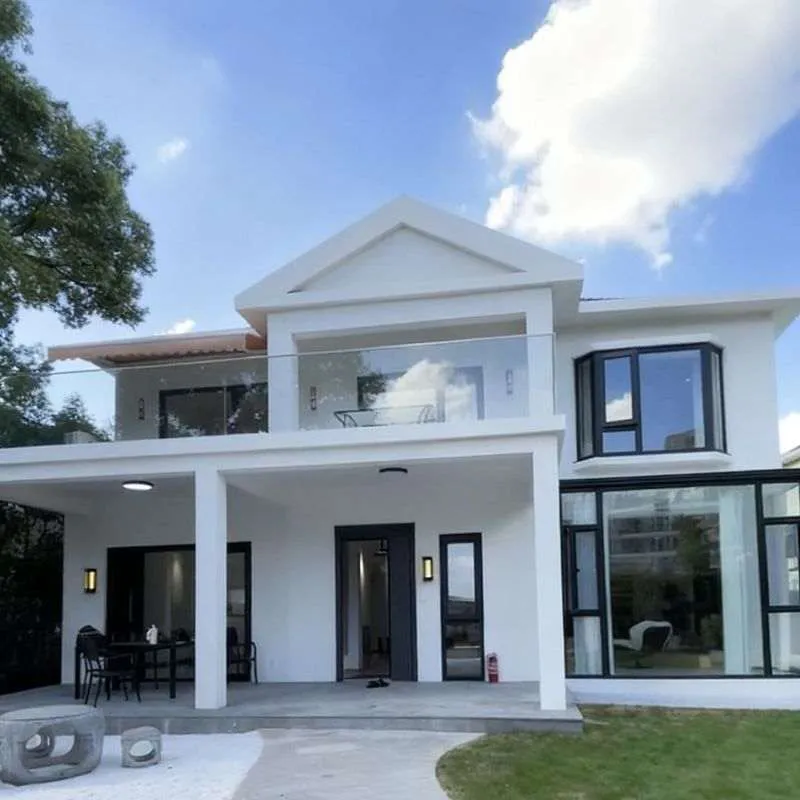
After the main structure is completed, the exterior surface Surface and internal functional piping systems are installed.
Efficient Insulation and Excellent Soundproofing Installation
Wall Energy-Saving Insulation: High-quality lightweight steel insulation materials (such as glass wool, rock wool, and polyurethane foam) are precisely filled inside the lightweight steel frame to ensure excellent thermal insulation and meet green energy-saving building standards.
Soundproofing and Noise Reduction: For areas with high noise requirements, such as bedrooms and studies, additional soundproofing materials can be added to significantly enhance privacy and comfort.
Interior and Exterior Wall Panel Installation and Exterior Decoration
Exterior Wall Surface System: Exterior structural panels (such as OSB) are installed outside the wall studs and covered with breathable paper or a waterproof, breathable membrane, forming the first line of defense against wind and rain.
Exterior Wall Finishing: A variety of light steel exterior wall finishing materials, such as wood-grain cladding, stone paint, cultured stone, metal panels, and PVC cladding, are then installed, significantly enhancing the home's aesthetics and architectural style.
Interior Wall Panel Installation: Interior wall panels (such as gypsum board and calcium silicate board) are installed inside the wall studs, laying a smooth foundation for subsequent finishing.
High-Quality Door and Window Installation
Precise Measurement and Installation: Prefabricated, high-performance door and window frames are precisely installed within the designated openings, rigorously leveled and secured, and sealed and waterproofed on all sides to prevent leakage and heat loss.
Pre-installed Plumbing and Electrical Pipelines
Plumbing: Water and drainage piping (including hot and cold water pipes and sewage pipes) is pre-installed in strict accordance with the design drawings. All pipe joints are pressure tested to ensure there are no leaks.
Electrical System: Electrical wiring, cables, and switch and socket boxes are precisely pre-installed. All circuits are insulation tested to ensure electrical safety and compliance with national standards. Weak Current System: Pre-buried weak current lines such as network cables, TV cables, and telephone lines meet the needs of modern smart homes.
This is the final line of defense for light steel houses against natural erosion and forms the foundation for their interior functions.
Professional Roof Waterproofing and Tile Installation
Multi-layer Roof Waterproofing: Multiple layers of polymer waterproofing materials (such as SBS waterproofing membranes and TPO/PVC waterproofing membranes) are applied to the roof structure to ensure a leak-proof roof and long-term protection.
Roof Tile Installation: Select appropriate light steel roof tiles (such as asphalt tiles, colored stone metal tiles, cement tiles, and clay tiles) based on the design.
Professional installation and fixing ensure both aesthetics and functionality.
Drainage System Installation: Install roof gutters, downspouts, and other rainwater drainage systems to ensure smooth drainage and prevent damage to the house structure.
Floor Leveling and Outdoor Drainage
Indoor Floor Leveling: High-precision leveling is performed on the interior floor to provide a smooth foundation for subsequent laying of floor tiles, wood flooring, and other floor coverings.
Outdoor Drainage: A meticulously constructed drainage slope is constructed around the house to effectively divert rainwater away from the foundation, preventing chronic moisture.
The final step is to make the light steel house livable, beautiful, and fully functional.
Detailed Interior and Exterior Wall Finishing
Interior Wall Scraping and Painting: The interior walls are meticulously puttyed and sanded, followed by a coat of environmentally friendly latex paint or high-quality wallpaper.
Exterior Wall Finishing: Final fixing, detailing, and cleaning of exterior wall finishing materials.
Kitchen and Bathroom Fixture Installation
Kitchen Facilities: Installation of modern kitchen appliances and equipment, including integrated kitchen cabinets, range hoods, gas stoves, dishwashers, and disinfection cabinets.
Bathroom Facilities: Installation of bathroom fixtures, including washbasins, smart toilets, shower systems, water heaters, and bathroom heaters. Customized Fixed
Furniture: Precise installation of custom or fixed furniture such as wardrobes, bookcases, and shoe cabinets.
Lighting and Appliance Installation and System Commissioning
Lighting System: Installation of various lighting fixtures, switches, and socket panels.
System Commissioning: Final power, water, and ventilation commissioning of all plumbing, heating, and air conditioning systems, as well as electrical equipment, to ensure safe and proper functioning.
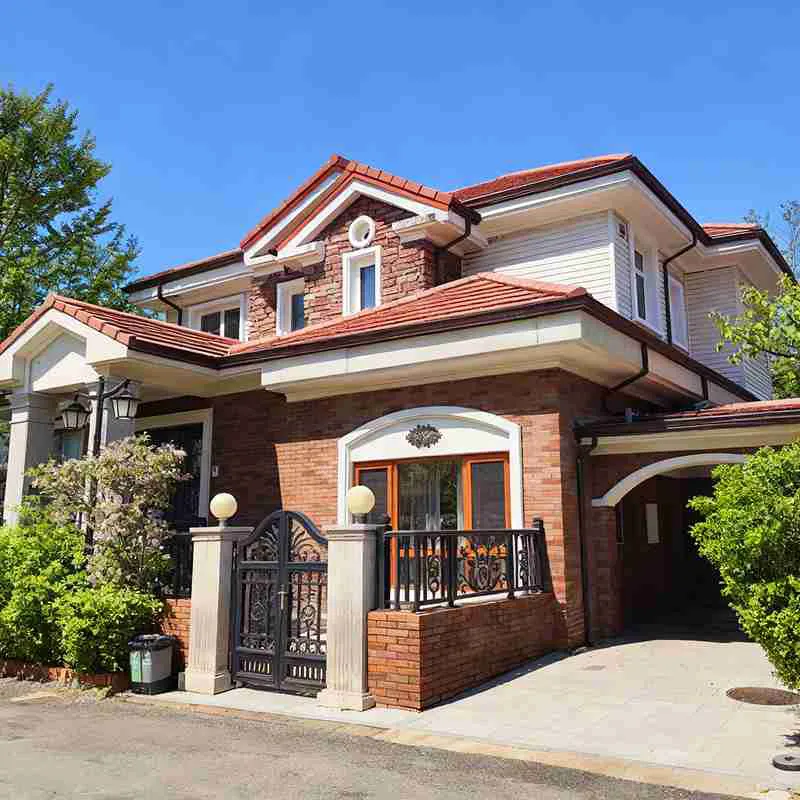
The project closing phase is equally important, ensuring your investment is fully valued.
Comprehensive Completion Acceptance: The owner, designer, and supervisor jointly conduct a comprehensive and detailed completion acceptance of the light steel structure building, verifying that all project indicators meet the requirements of the design drawings and construction specifications. Special attention is paid to structural safety, waterproofing, and equipment functionality.
Document Handover: Complete handover of all key documents, including construction drawings, material lists, equipment specifications, operating manuals, warranty certificates, and hidden work acceptance records.
Maintenance Tips: Homeowners are provided with daily maintenance tips and seasonal inspection recommendations for light steel structure homes. Regular checks are conducted on the structure, roof waterproofing, and anti-corrosion and insect control to ensure the home's durability and optimal condition.
The installation of a light steel structure home is a systematic and highly professional undertaking. From meticulous site preparation to meticulous main structure construction, to comprehensive interior decoration and equipment commissioning, every step requires strict control to ensure construction quality and project progress.
Through this comprehensive light steel structure installation guide, we hope you will gain a clear and in-depth understanding of the entire construction process, enabling you to make informed decisions and ultimately own a safe, comfortable, energy-efficient, and beautiful light steel structure home. Choosing a professional light steel structure home builder with extensive experience and comprehensive qualifications is crucial to ensuring the success of your dream home project!
Contact Now