Time: 2026-05-19 02:36:54
In recent years, the demand for additional living space has grown rapidly as homeowners look for practical ways to increase property value, accommodate extended family members, or generate rental income. Among the most popular solutions are granny flats, also known as accessory dwelling units (ADUs). When planning such a project, most property owners find themselves comparing two main approaches: affordable DIY granny flat kits and fully custom-built units.
Both options can deliver functional and comfortable living spaces, but they differ significantly in cost structure, design flexibility, construction time, regulatory handling, and long-term value. Understanding these differences in detail allows homeowners to make informed decisions that align with their budget, timeline, and lifestyle expectations.
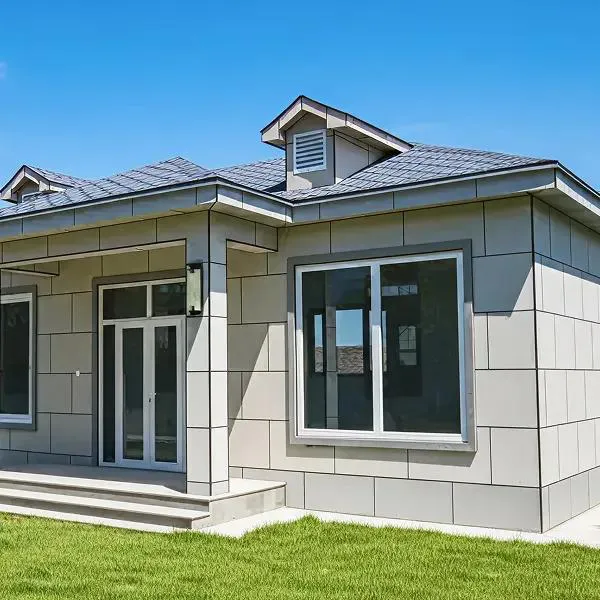
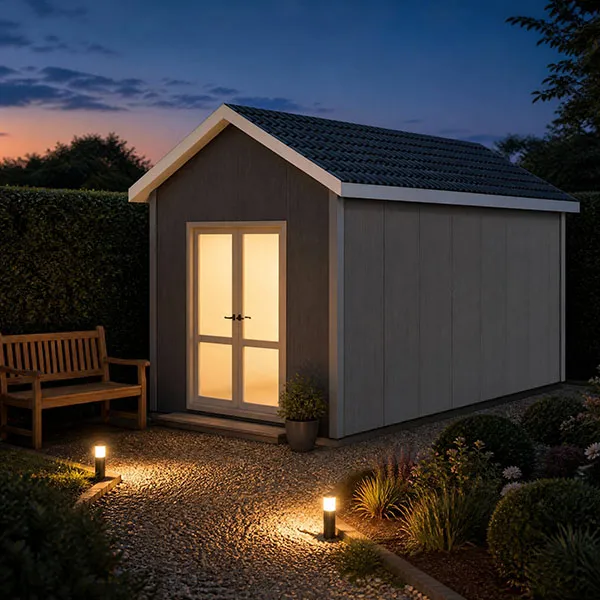
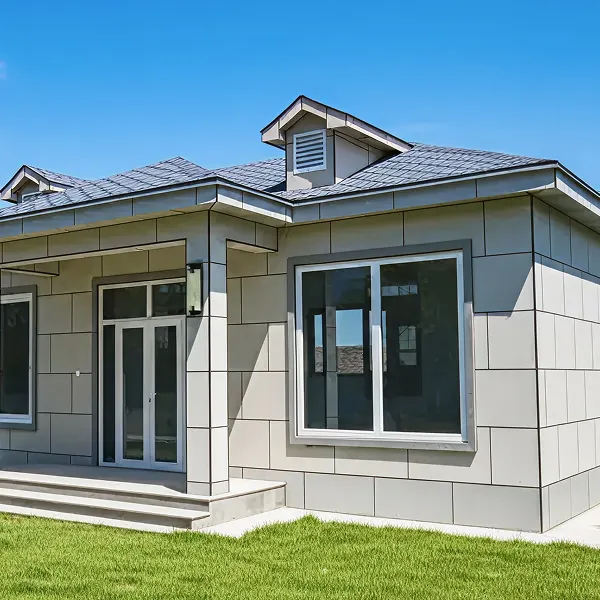
A DIY granny flat kit typically includes pre-designed modular components such as wall panels, roofing systems, windows, doors, and sometimes even plumbing and electrical layouts. These kits are manufactured off-site and delivered ready for assembly. The goal is to simplify construction, reduce labor costs, and shorten project timelines.
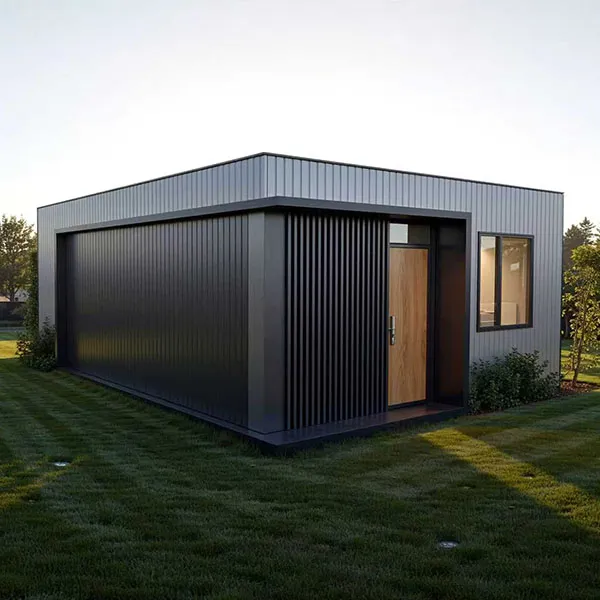
In contrast, a custom granny flat build is designed and constructed from scratch. Architects and builders work closely with the homeowner to create a fully tailored structure that matches specific land conditions, aesthetic preferences, and functional requirements. While this approach offers maximum flexibility, it also introduces higher costs and longer completion periods.
One of the primary reasons homeowners consider DIY granny flat kits is affordability. Because these kits are mass-produced and partially prefabricated, manufacturers can significantly reduce material waste and labor expenses. As a result, the total investment for a kit-based granny flat is often lower than a fully custom construction project.
However, cost savings should be evaluated carefully. Although the kit price itself may appear attractive, additional expenses can arise during installation. These may include site preparation, foundation work, utility connections, and professional assistance for structural assembly or compliance checks. Homeowners who underestimate these supplementary costs may find the final budget closer to custom build levels than initially expected.
Custom builds, while more expensive upfront, provide a more transparent cost breakdown. Every stage—from architectural design to material selection and labor—is itemized, allowing for precise financial planning. For homeowners prioritizing long-term investment security and premium finishes, this clarity can be a significant advantage.
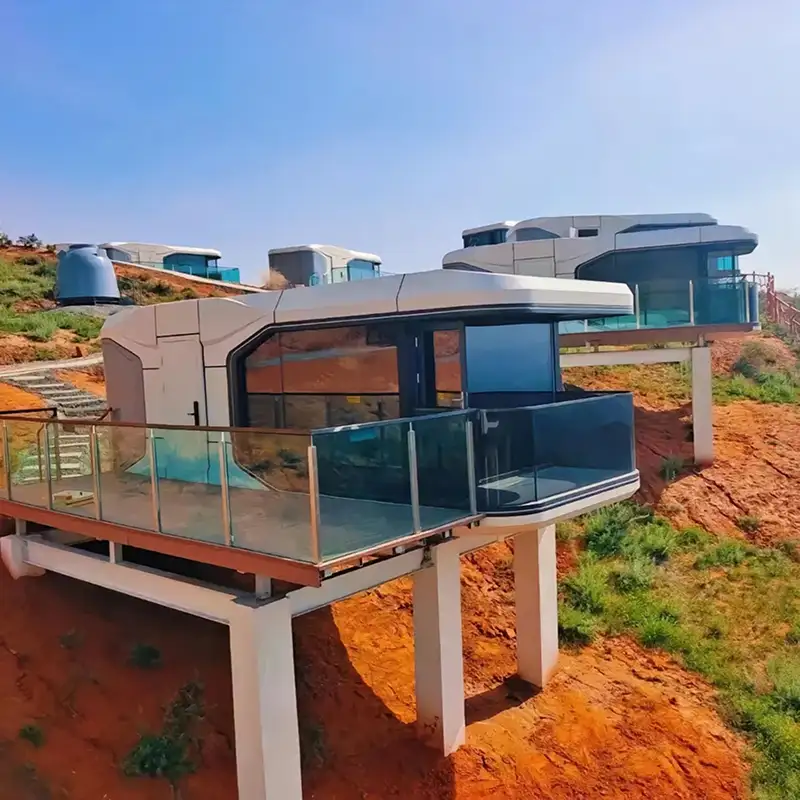
Design flexibility is where custom granny flat builds clearly stand out. Homeowners can work with architects to create layouts that maximize natural light, optimize ventilation, and integrate seamlessly with existing property structures. This approach also allows for unique architectural styles, from modern minimalist units to traditional or eco-friendly designs.
DIY kits, while increasingly sophisticated, still operate within predefined design frameworks. Manufacturers offer a range of models and configurations, but structural modifications are usually limited. For homeowners with strict aesthetic requirements or complex land conditions, these limitations may become restrictive.
That said, modern kit designs have evolved considerably. Many suppliers now offer modular extensions, customizable façade options, and interior layout variations that provide a reasonable balance between flexibility and simplicity.
Time efficiency is one of the strongest advantages of DIY granny flat kits. Since most components are prefabricated, on-site construction can be completed in weeks rather than months. This makes kits particularly attractive for homeowners who need quick housing solutions, such as accommodating aging parents or generating rental income rapidly.
Custom builds require significantly more time due to design approvals, material sourcing, weather delays, and on-site construction complexity. Depending on the scale and regulatory environment, a custom granny flat project may take several months to over a year to complete.
For property owners with urgent needs, the time advantage of kit-based construction can outweigh certain limitations in customization.
Building regulations play a critical role in determining whether a granny flat project proceeds smoothly or encounters delays. Custom builds often involve detailed compliance processes, including architectural submissions, engineering reports, and multiple approval stages. While this ensures full legal alignment, it can also extend project timelines.
DIY granny flat kits are often designed with standard building codes in mind, which can simplify approval processes in many regions. However, compliance is not automatic. Local zoning laws, setback requirements, and utility regulations still apply, and homeowners remain responsible for ensuring that installation meets all legal standards.
In this context, professional consultation is highly recommended, regardless of which construction method is chosen. Compliance errors can lead to costly modifications or even project suspension.
A common misconception is that DIY kits are inherently lower in quality than custom builds. In reality, modern prefabrication techniques often use engineered materials that meet strict structural standards. Many high-quality kits are designed to withstand diverse environmental conditions and offer strong long-term durability when properly installed.
Custom builds, however, allow for more material flexibility and higher-end finishes. Builders can select premium materials, incorporate advanced insulation systems, and tailor structural reinforcements based on site-specific requirements.
From a long-term investment perspective, both options can deliver excellent performance when executed correctly. The key factor is not only the construction method but also the quality of installation and ongoing maintenance.
Granny flats are increasingly recognized as value-adding assets in real estate markets. A well-designed and legally compliant unit can significantly increase property resale value or generate consistent rental income.
Custom-built granny flats often have a slight advantage in resale value due to their architectural uniqueness and higher-end finishes. Buyers tend to perceive them as more integrated extensions of the main property.
DIY kit-based granny flats, while potentially more standardized in appearance, can still offer strong returns if they are well-maintained and thoughtfully designed. In many cases, rental yield becomes the primary return driver rather than resale premium.
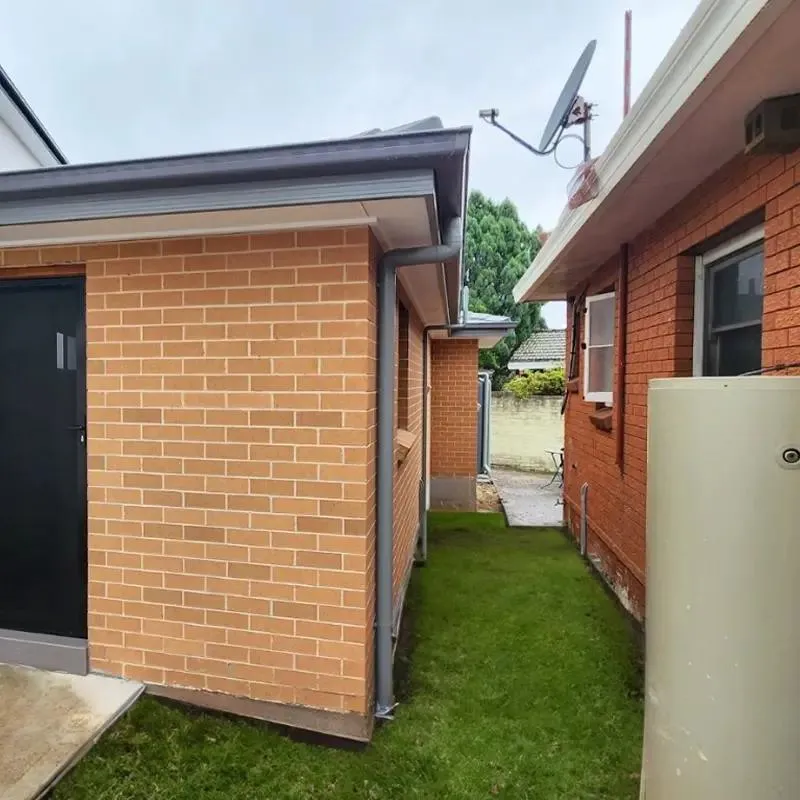
Choosing between a DIY granny flat kit and a custom build ultimately depends on individual priorities.
A DIY kit is generally more suitable for homeowners who:
Want a cost-effective solution with predictable pricing
Need faster construction timelines
Prefer simplified design decisions
Are comfortable managing part of the installation process or hiring local contractors
A custom build is more appropriate for homeowners who:
Require complete design freedom
Have complex land conditions or architectural requirements
Prioritize premium finishes and long-term customization
Are focused on maximizing property value through unique design
The decision between affordable DIY granny flat kits and custom-built solutions is not simply a matter of cost versus quality. It is a strategic choice that involves balancing budget constraints, design expectations, construction timelines, and long-term investment goals.
As housing demand continues to evolve, both options remain relevant and valuable in different contexts. DIY kits offer accessibility and speed, making them ideal for practical expansion needs. Custom builds provide personalization and architectural depth, making them suitable for homeowners seeking a tailored, high-value extension of their property.
For property owners planning to invest in a granny flat, the most effective approach is to evaluate land conditions, budget capacity, and long-term usage goals before committing to a construction method. With proper planning and professional guidance, either option can become a strong asset that enhances both lifestyle and property value over time.
Contact Now