Time: 2025-12-15 01:40:44
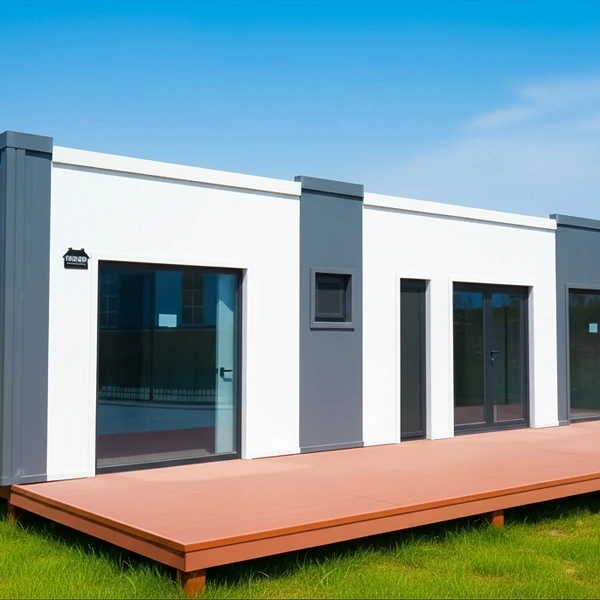
Light steel structure houses are rapidly gaining global popularity as a smart alternative to traditional brick and concrete buildings. Known for their lightweight design, fast construction speed, and long-term durability, these structures are widely used in residential housing, modular buildings, and prefabricated projects.
However, the performance of a light steel house largely depends on material selection. From the steel frame to wall panels, roofing systems, and insulation materials, each component plays a critical role in structural safety, energy efficiency, and overall lifecycle cost.
This guide provides a comprehensive, builder-focused overview of the best materials for light steel structure houses and compares them with traditional construction materials to help homeowners, developers, and contractors make informed decisions.

The steel frame is the core load-bearing system of any light steel structure house. Selecting the appropriate steel type directly affects strength, stability, and service life.
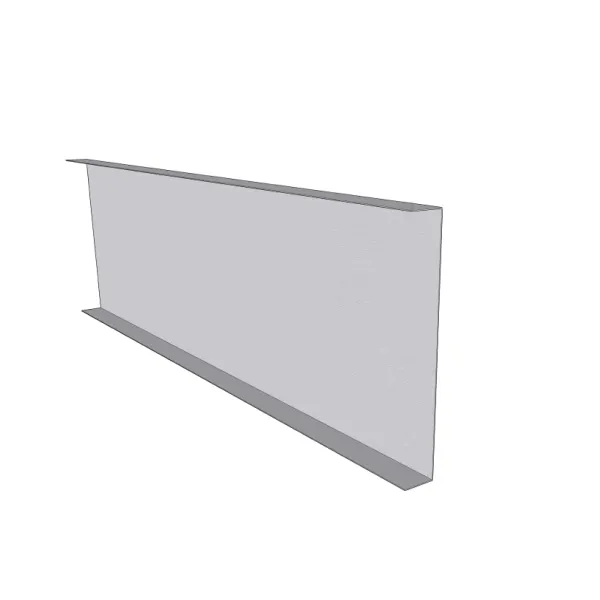
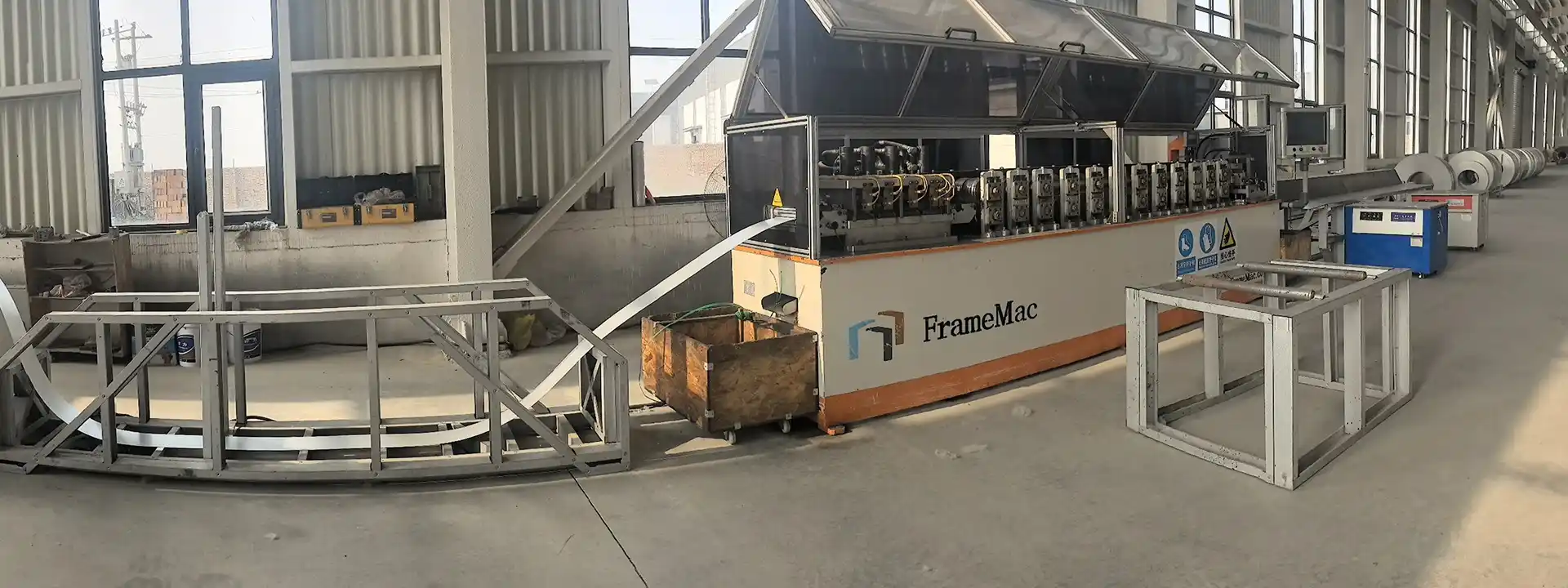
Cold-Formed Steel (CFS)
Cold-formed steel is one of the most widely used materials for residential light steel structures.
Key advantages:
Lightweight and easy to transport
High dimensional accuracy for prefabrication
Fast installation with minimal on-site labor
Reduced material waste
Cold-formed steel is especially suitable for single-family houses, villas, and low-rise buildings where cost control and construction efficiency are priorities.
Hot-Rolled Steel
Hot-rolled steel provides higher load-bearing capacity and is commonly used in projects requiring larger spans or multiple floors.
Key advantages:
Superior structural strength
Better resistance to heavy loads and deformation
Ideal for complex or multi-story designs
Steel Selection Considerations
Cost efficiency: Cold-formed steel is generally more economical for standard housing projects
Structural performance: Hot-rolled steel is preferred for higher loads and larger structures
Sustainability: Both steel types are fully recyclable; choosing steel with recycled content reduces carbon footprint
Wall systems in light steel structure houses must provide a balance of structural support, thermal insulation, fire resistance, and aesthetics.
Insulated Steel Sandwich Panels
Steel sandwich panels with polyurethane (PU) or mineral wool cores are a popular choice for both exterior and interior walls.
Benefits include:
Excellent thermal insulation
Strong fire resistance (especially mineral wool)
Fast modular installation
Clean, modern appearance
Fiber Cement Boards
Fiber cement boards are widely used as exterior cladding due to their durability and weather resistance.
Key features:
Moisture- and corrosion-resistantLow maintenance requirements
Long service life compared to traditional concrete walls
Gypsum Boards and Lightweight Interior Panels
For interior partitions, gypsum boards and lightweight panels offer:
Smooth surface finishes
Easy installation and modification
Compatibility with electrical and plumbing systems
Cost & Sustainability Insight:
While insulated steel wall panels may have higher initial costs, they significantly reduce long-term energy consumption and maintenance expenses, making them more cost-effective over the building’s lifecycle.
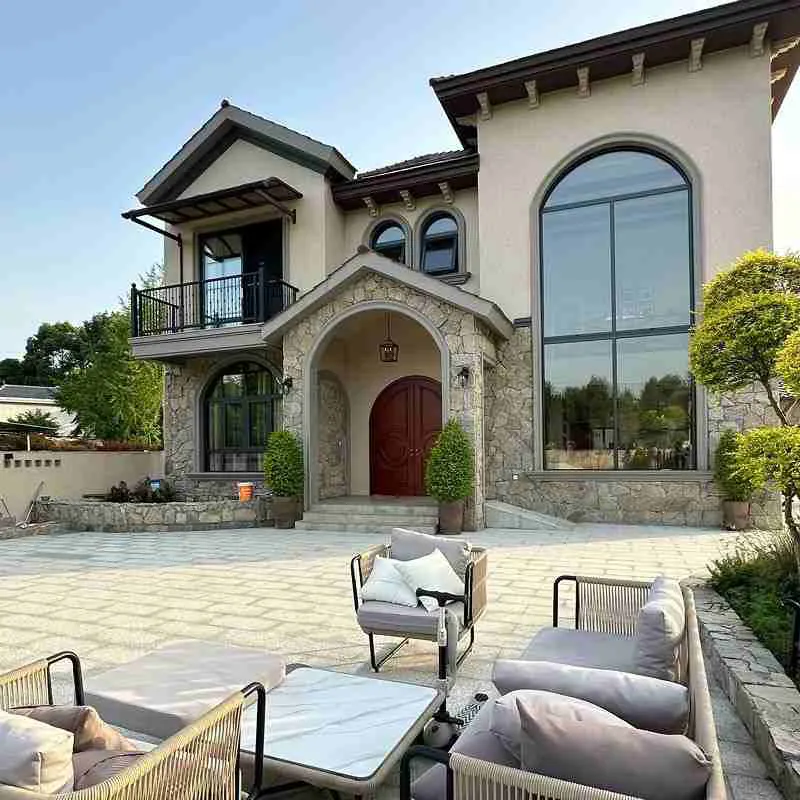
Roofing systems directly influence energy efficiency, structural load, and weather resistance.
Metal Roofing Sheets
Metal roofing is a natural match for light steel structures.
Advantages:
Lightweight and corrosion-resistant
Long lifespan with minimal maintenance
Reflective coatings improve thermal performance
Fully recyclable
Composite Roofing Panels
Composite panels combine metal sheets with insulation cores, offering:
Enhanced thermal and acoustic performance
Reduced heat transfer
Integrated, modular installation
Traditional Roofing Materials
Clay tiles or asphalt shingles are still used in some projects but present challenges:
Heavier weight
Higher structural support requirements
Increased risk of cracking and long-term maintenance
Comparison Summary:
Metal and composite roofing systems reduce structural stress, improve energy efficiency, and outperform traditional roofing materials in durability and lifespan.
Effective insulation is essential for maintaining indoor comfort and minimizing heating and cooling costs.
Common Insulation Options
Mineral wool: Excellent fire resistance and sound insulation
Polyurethane foam: High thermal resistance and moisture protection
Eco-friendly insulation: Recycled cotton, sheep wool, and other sustainable materials
Long-Term Value
Although advanced insulation materials may increase upfront investment, they significantly lower energy costs over time, improving overall building efficiency and sustainability.
|
Feature |
Light Steel Structure Houses |
Traditional Brick & Concrete |
|
Construction Speed |
Fast, modular, prefabricated |
Slow, labor-intensive |
|
Material Weight |
Lightweight, lower foundation cost |
Heavy, higher foundation cost |
|
Durability |
Resistant to corrosion and pests |
Prone to cracks and termites |
|
Environmental Impact |
Recyclable steel, low waste |
High CO₂ emissions, non-recyclable |
|
Maintenance |
Low |
Moderate to high |
| Target | Materials Solutions | Reason |
| Maximum Energy Efficiency | Thick insulation layer + high-density mineral wool or polyurethane insulation material + continuous external insulation wrapping layer. | Reduce the thermal conductivity of steel to form a highly efficient insulation layer. |
| Fire Safety | The interior uses non-combustible materials such as fiber cement exterior walls and fireproof gypsum board. | Steel itself is non-combustible, but the insulation layer and lining determine the fire resistance rating of the system. |
| Budget Control | Standard grade galvanized light steel (e.g., G300/G450) + standard gypsum board + mineral wool filling the cavity. | The initial cost of light steel structures is higher than that of wood, but savings can be achieved by reducing labor, waste, and long-term maintenance costs. |
| Acoustic Performance | An elastic channel and sound-absorbing and heat-insulating material (mineral wool) are provided between the steel and the inner lining. | Steel is a good conductor of sound; these materials help to insulate surfaces and absorb sound waves. |
Choosing the right materials is the foundation of a high-performance light steel structure house. By combining cold-formed or hot-rolled steel frames, insulated wall panels, metal or composite roofing systems, and high-efficiency insulation, builders can deliver homes that are durable, energy-efficient, and environmentally responsible.
Compared with traditional construction methods, light steel houses offer shorter build cycles, lower maintenance costs, and greener solutions, making them an increasingly preferred option for modern residential and modular construction projects.
For developers and homeowners seeking cost-effective, sustainable, and future-ready housing, light steel structure houses represent a smart investment.
Contact Now