Time: 2025-12-26 09:15:35
In recent years, light steel structure houses have rapidly gained popularity due to their modern and efficient core advantages, becoming a popular choice for the green transformation of the construction industry. Using cold-formed thin-walled steel as the core framework, combined with cladding materials such as profiled steel sheets or lightweight sandwich panels, they offer advantages such as being green and environmentally friendly, allowing for flexible space customization, and providing a more cost-effective option. Constructed through an industrialized model of factory prefabrication and on-site assembly, they combine durability, sustainability, and rapid construction, offering a highly attractive alternative for owners, architects, and developers.
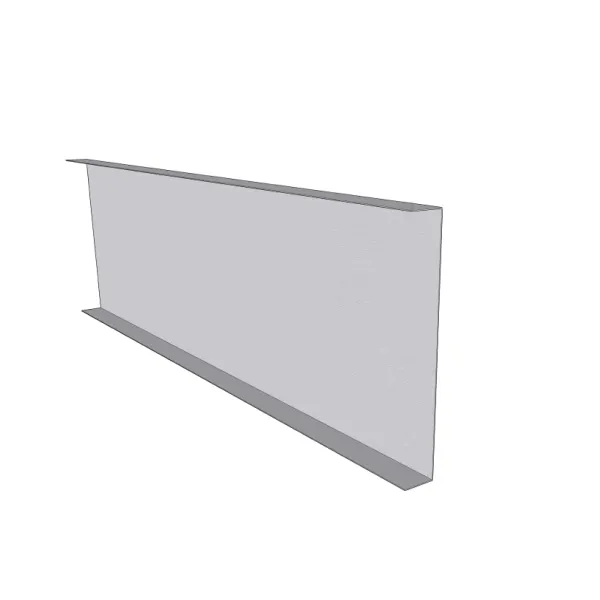
Light steel structure houses are residential buildings constructed primarily using cold-formed steel frames instead of traditional concrete or timber. These steel frames serve as the skeleton of the building, supporting walls, roofs, and floors. Panels made from materials like gypsum board, insulated panels, or fiber cement are often attached to the steel frame to form walls and partitions.
This innovative construction method ensures high structural stability while allowing for flexible design options, making it ideal for both urban and rural residential projects.

Light steel structure houses are versatile and suitable for a variety of residential scenarios:
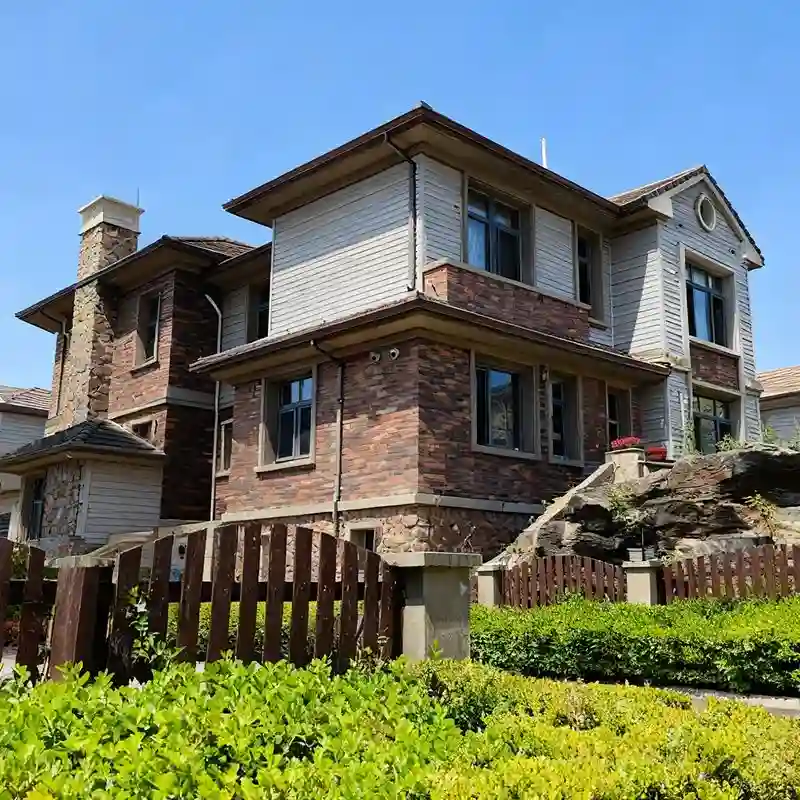
Single-family homes: Perfect for homeowners looking for quick construction, modern aesthetics, and energy efficiency.
Multi-family housing: Apartments or townhouses can benefit from lightweight structures, reducing foundation requirements.
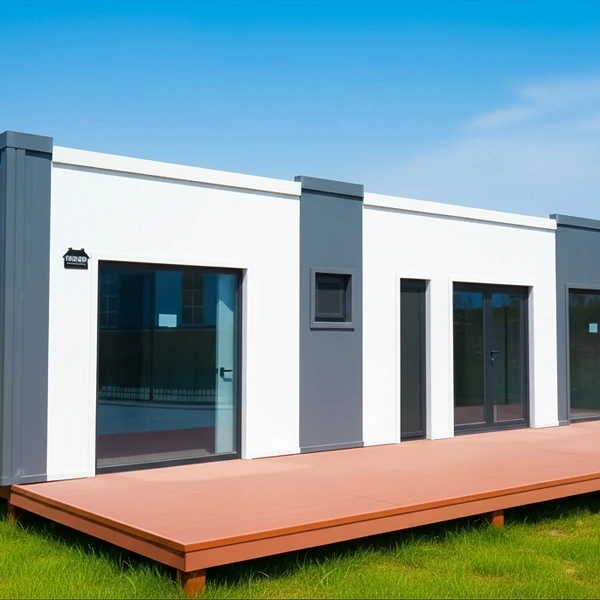
Vacation or modular homes: Ideal for seasonal residences that require fast assembly and disassembly.
Eco-friendly housing projects: Environmentally conscious developers prefer light steel structures due to their recyclability and low carbon footprint.
These homes are particularly suitable for young families, professionals, or developers who prioritize cost efficiency, speed, and sustainable construction.
Building a light steel structure house involves a series of streamlined steps:
Design & Planning: Architects create detailed floor plans and structural designs optimized for light steel framing.
Material Preparation: Steel frames and panels are fabricated off-site, ensuring precision and reducing on-site labor.
Foundation Laying: A lightweight concrete or reinforced slab foundation is prepared to support the steel frame.
Frame Assembly: Pre-fabricated steel components are assembled on-site, forming the skeleton of the house.
Wall & Roof Installation: Panels are attached to the frame, followed by roof trusses and coverings.
Interior & Exterior Finishing: Electrical wiring, plumbing, insulation, and interior finishes are completed efficiently.
Final Inspection & Handover: Safety, quality, and energy efficiency checks ensure the house meets all standards.
This process often reduces construction time by 30–50% compared to traditional brick-and-mortar methods.
Light steel structure houses offer multiple benefits when compared to traditional concrete or timber homes:
|
Feature |
Light Steel Structure Houses |
Traditional Houses |
|
Construction Speed |
Fast assembly, modular construction |
Longer construction cycles |
|
Structural Strength |
Resistant to earthquakes, strong in high winds |
Susceptible to cracking, lower earthquake resistance |
|
Flexibility |
Easy to expand or modify |
Difficult and costly to modify |
|
Sustainability |
Steel is recyclable, less waste |
Concrete and timber have higher environmental impact |
|
Thermal & Energy Efficiency |
Compatible with insulation panels for lower energy bills |
Often requires additional retrofitting |
|
Maintenance |
Low maintenance, termite-resistant |
Timber requires frequent treatment, concrete may crack over time |
The combination of durability, energy efficiency, and design flexibility makes light steel structure houses an excellent choice for modern residential projects.
With increasingly stringent demands for efficiency, cost, and sustainability from homeowners, architects, and developers, light steel frame housing is rapidly evolving from an innovative option into a strategic first choice for both. For developers seeking high cost-effectiveness and high turnover rates, or homeowners desiring safe, comfortable, and quick occupancy, light steel frame technology is no longer about following a trend, but rather an inevitable choice defining the standards of future housing.
Contact Now