Time: 2025-12-05 01:14:03
As the demand for faster, stronger, and more sustainable housing grows, light steel structure (LSS) houses are quickly becoming the preferred choice among homeowners, developers, and architects worldwide. Known for their exceptional strength, long service life, and eco-friendly design, these steel-based homes are outperforming traditional brick, concrete, and timber buildings in multiple aspects.
This article takes a closer look at what makes light steel structure houses one of the most durable and future-ready residential solutions available today.
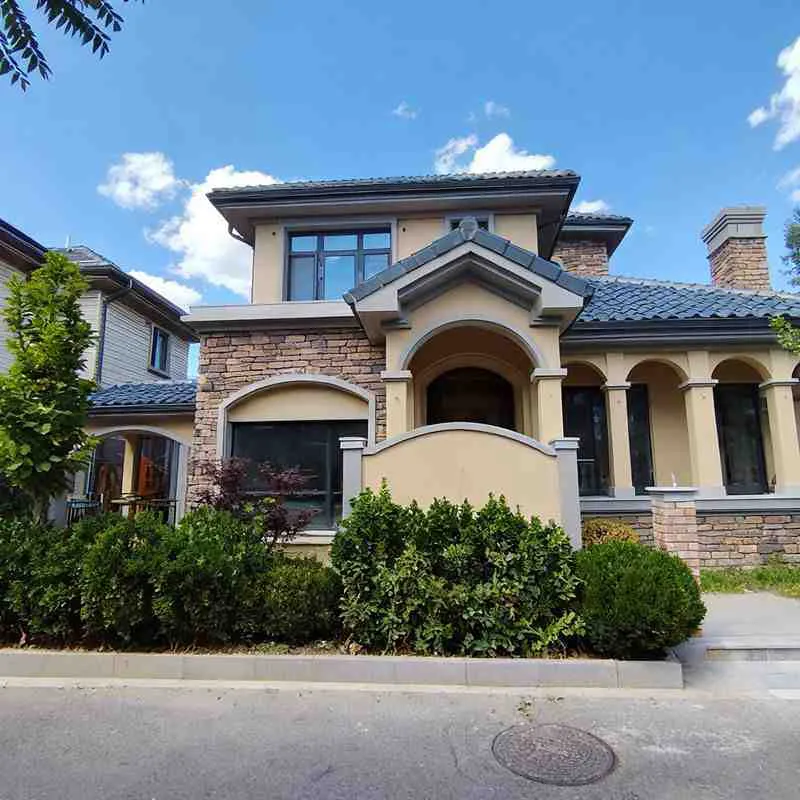
One of the biggest reasons homeowners choose light steel homes is their superior resistance to natural forces. Steel’s high strength-to-weight ratio and flexibility allow LSS houses to perform exceptionally well in environments prone to seismic activity, strong winds, and heavy snow loads.
Earthquakes: Steel frames absorb and dissipate seismic energy, reducing the risk of collapse and structural damage.
Hurricanes & high winds: Precision-engineered connections and reinforced joints help LSS houses withstand wind speeds that would easily damage traditional structures.
Snow loads: Steel framing supports heavier loads without warping or cracking.
For regions frequently affected by natural disasters, light steel structure homes provide reliability and peace of mind that conventional buildings often fail to deliver.
Durability is not only about resisting external forces—it’s also about long-term protection from environmental threats. Light steel structures inherently offer advantages that traditional wood-based homes cannot provide:
No termite damage
No rot or mold issues
Minimal risk of moisture penetration
Today’s LSS systems use galvanized or zinc-aluminum coated steel, which significantly enhances corrosion resistance. This ensures the home retains its structural integrity even in coastal, high-humidity, or rainy environments, reducing maintenance costs throughout its lifecycle.
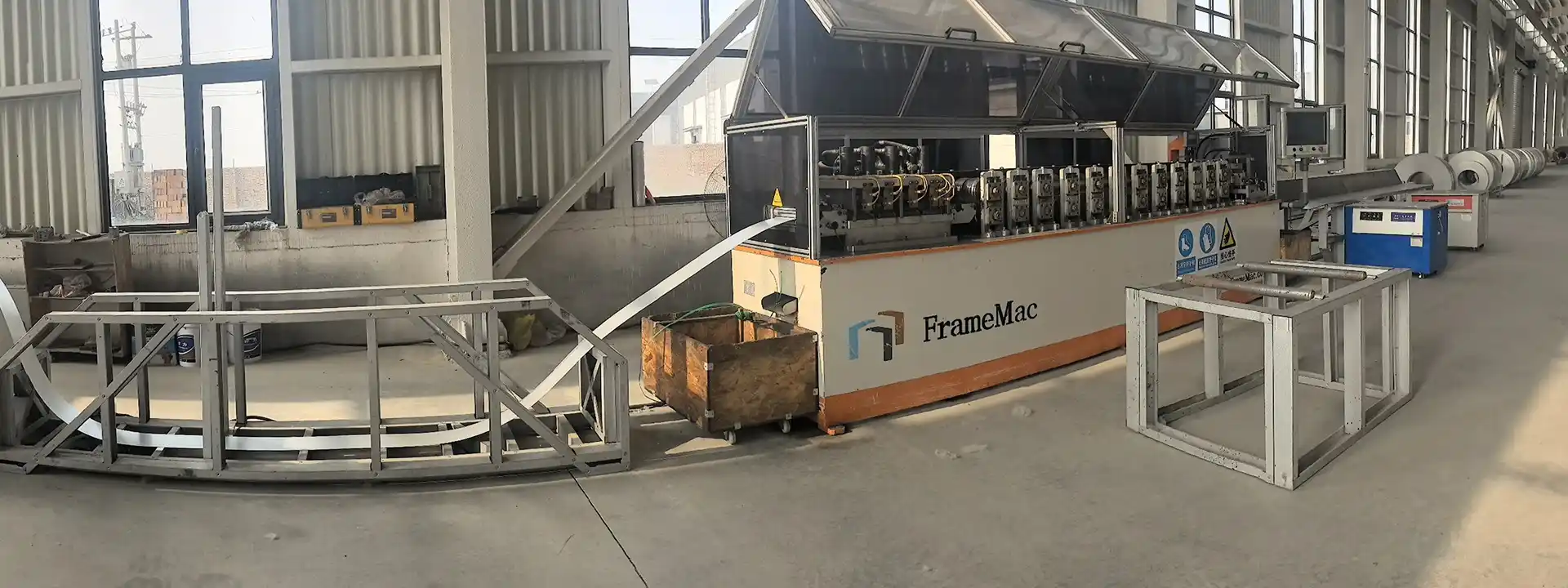
A major contributor to the lifespan of light steel houses is the strict quality control involved in their production.
Advanced factory manufacturing ensures every component meets international performance standards.
Key benefits include:
Automated laser cutting and welding for flawless accuracy
Consistency in dimensions and structural performance
Reduced installation errors during on-site assembly
Because the steel components are prefabricated under controlled conditions, homeowners receive a structure that is stronger, safer, and far more predictable than traditional on-site construction.
Light steel structure houses are designed to last 50 to 100 years, far exceeding many conventional building systems.
While maintenance requirements are low, simple periodic checks help extend the house’s service life even further. These include:
Inspecting surface coatings
Checking fasteners and joints
Ensuring drainages function properly
With fewer risks of structural decay and deformation, LSS homes offer outstanding long-term value and lower total life-cycle costs compared to wood or concrete homes.
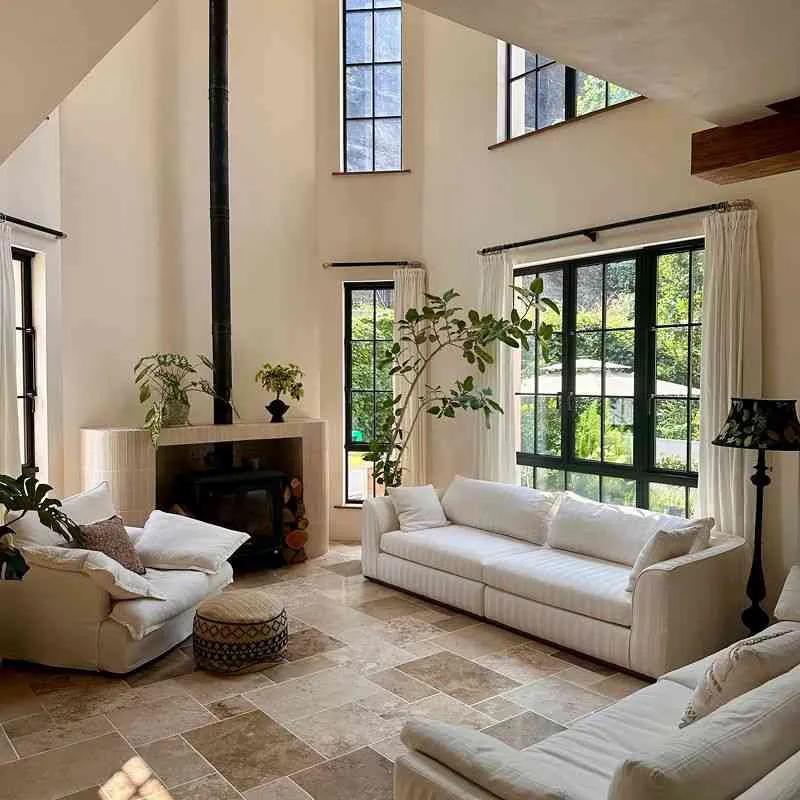
Beyond structural durability, light steel homes also support modern energy-saving and eco-friendly living:
Precision framing minimizes thermal bridging and supports better insulation performance.
Steel is 100% recyclable, reducing the building’s environmental footprint.
Construction waste is significantly lower due to prefabrication.
By choosing an LSS home, homeowners gain not only a highly durable structure but also a green, future-oriented living environment.
From exceptional disaster resistance to decades-long service life, light steel structure houses stand out as one of the most durable and cost-effective residential building systems available today. Their combination of engineered strength, resistance to corrosion and pests, and sustainable material use makes them an ideal choice for modern families and developers seeking long-term value.
Investing in a light steel structure home means building a living space that is stronger, smarter, and built to endure for generations.
Contact Now