Time: 2025-12-10 08:32:14
Light steel structure houses have become one of the fastest-growing solutions in modern construction thanks to their strength, flexibility, energy efficiency, and reduced overall cost. Whether you are a homeowner planning a new build or a contractor seeking a reliable workflow, understanding each construction stage is essential.
This comprehensive guide walks you through the entire light steel structure house construction process—from foundation work to interior finishing—while providing practical tips, quality-control points, and expert recommendations to ensure a smooth and successful build.
A strong and stable foundation is the key to long-term structural performance. For steel structure houses, the foundation supports lightweight framing while preventing settlement or structural distortion.
Key Steps
Conduct professional soil testing to evaluate load-bearing capacity.
Select the right foundation type—slab, strip footing, or pile foundation—based on site and soil conditions.
Level and compact the ground before concrete placement.
Allow adequate curing time for concrete to achieve full strength.
Pro Tips
Use high-grade concrete with correct water-cement ratios to avoid cracking.
Install waterproof membranes where groundwater or moisture issues are expected.
Pre-plan electrical and plumbing routes to reduce future modifications.
The steel frame is the core structure that supports floors, walls, and roofing systems. Precision in this step directly affects overall stability and durability.
Key Steps
Assemble prefabricated steel components according to the engineering drawings.
Ensure accurate vertical and horizontal alignment using laser tools.
Connect steel members with bolts or welding as specified.
Tighten and inspect all joints, reinforcements, and load-bearing points.
Pro Tips
Pre-drill bolt holes to minimize on-site errors and speed up installation.
Label all steel components before assembly for efficient workflow.
Inspect surfaces for rust and apply anti-corrosion coatings where needed.
Once the frame is in place, the floor structure distributes loads and provides solid living surfaces.
Key Steps
Install steel beams and joists with accurate spacing.
Lay steel decking sheets or prefabricated floor panels.
Secure panels with screws or welds to maintain structural integrity.
Check for uneven surfaces and correct gaps or misalignment.
Pro Tips
Use sound-absorbing materials to reduce noise in multi-storey designs.
Measure twice before cutting panels to avoid waste.
Add insulation or vapor barriers for improved indoor comfort.
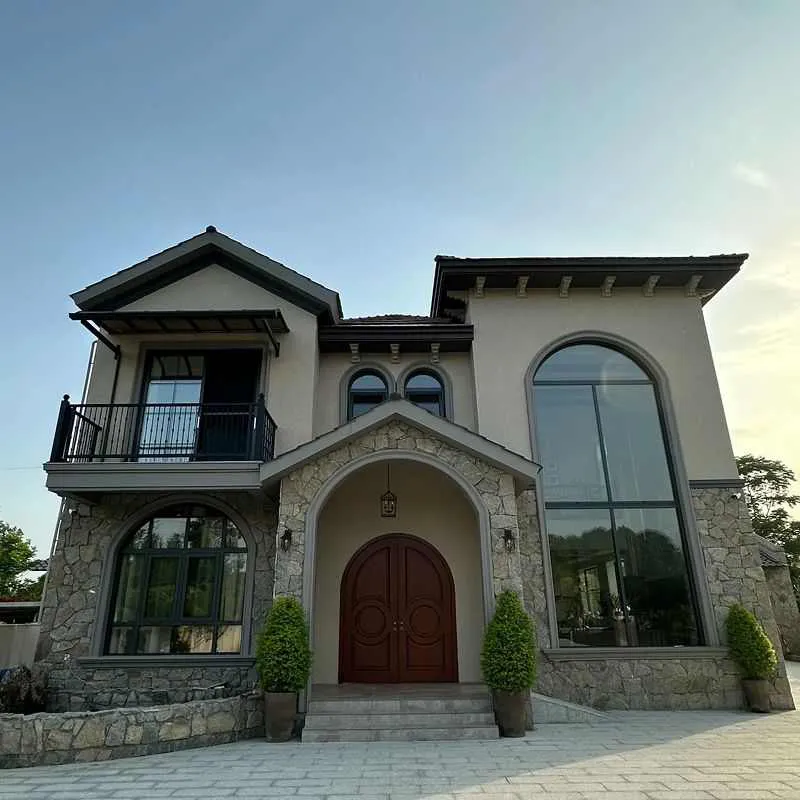
Walls not only define room layouts but also enhance insulation, safety, and structural strength.
Key Steps
Install steel studs or frames with precise alignment.
Attach gypsum boards, insulated metal panels, or sandwich panels.
Reinforce wall corners, openings, and load-bearing areas.
Seal panel joints to prevent air and moisture intrusion.
Pro Tips
Opt for prefabricated wall panels for faster and higher-quality installation.
Add thermal insulation or acoustic materials during panel installation.
Measure door and window openings carefully before fixing panels.
The roof protects the home from rain, wind, and temperature changes while contributing to the overall energy performance.
Key Steps
Install roof trusses with correct pitch and spacing.
Secure metal roofing sheets, tiles, or insulated panels.
Add waterproofing layers and drainage systems for water management.
Inspect flashing, ridges, and eaves for proper sealing.
Pro Tips
Pre-drill roofing sheets for cleaner installation.
Use corrosion-resistant fasteners to extend service life.
Regularly check truss alignment during construction to avoid sagging.
Correct installation of openings improves energy efficiency, safety, and aesthetic appeal.
Key Steps
Measure and mark installation points accurately.
Install frames and ensure they are level and properly anchored.
Fit doors, windows, and other external fixtures securely.
Apply weather-resistant sealants around edges.
Pro Tips
Select energy-efficient windows and doors to improve insulation performance.
Test each unit for smooth operation before finishing.
Add shading or protective elements for sun-exposed façades.
Interior finishing transforms the steel structure into a comfortable and functional living space.
Key Steps
Install electrical wiring, plumbing lines, and HVAC systems.
Add insulation and apply plaster or interior wall finishes.
Lay flooring materials such as tiles, wood, or laminate.
Paint walls and install interior doors, cabinets, and fixtures.
Pro Tips
Coordinate MEP work before closing walls to avoid rework.
Use lightweight partitions for flexible space layouts.
Focus on durable finishes in high-traffic areas.
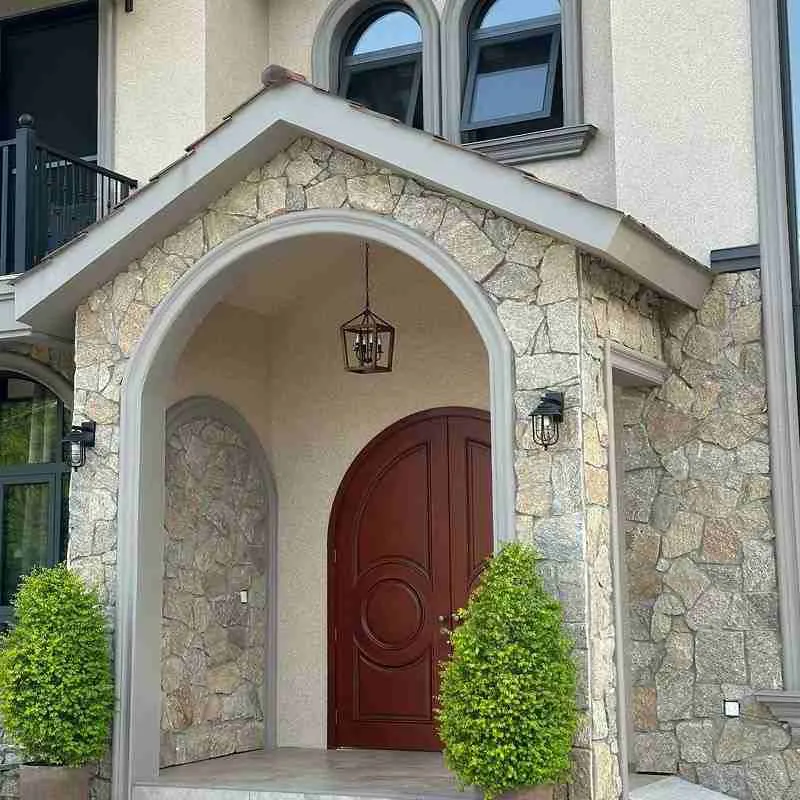
A final inspection is essential before handover or occupancy.
Key Steps
Inspect structural connections and foundation integrity.
Test electrical, plumbing, and HVAC systems.
Check insulation, waterproofing, and finishing quality.
Fix minor defects and perform final touch-ups.
Pro Tips
Use a checklist to ensure no detail is overlooked.
Consider third-party inspection for certifications or insurance.
Document the construction process for future maintenance.
Building a light steel structure house is a systematic process that blends advanced engineering with practical construction techniques. By following each stage—from foundation preparation to interior finishing—you can ensure long-term durability, energy efficiency, and high living comfort.
Whether you're a builder, architect, or homeowner, this step-by-step construction guide helps streamline the project and ensures your light steel structure home meets the highest standards in quality and performance.
Contact Now