Time: 2026-03-05 02:03:33
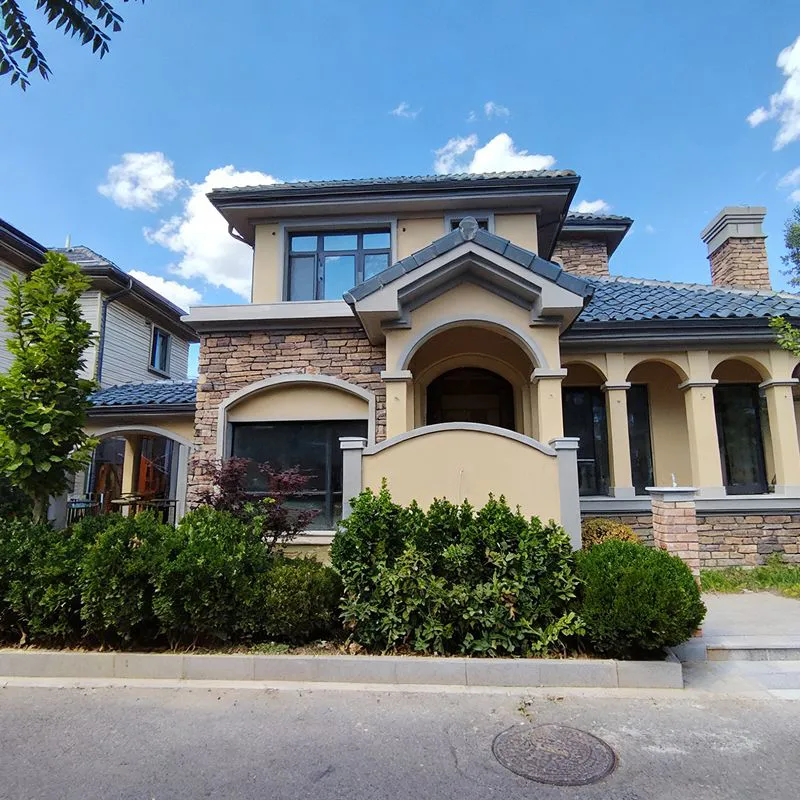
Hollow noise in light steel villas is primarily a structural issue. The skeletal steel frame, while providing exceptional strength and flexibility, can inadvertently amplify sound if not properly mitigated. The most common contributing factors include:
1. Thin Wall and Ceiling Panels
Walls and ceilings in light steel villas are typically constructed from gypsum board, lightweight concrete, or composite materials that are significantly thinner than traditional brick walls. These panels lack the mass necessary to effectively dampen sound waves, resulting in an echoing or hollow sensation that is particularly noticeable in living rooms, hallways, and bedrooms.
2. Rigid Steel Framework
While steel frames provide durability and design flexibility, their rigidity can transmit vibrations throughout the structure. For example, a footstep on the upper floor can resonate down through the frame, creating noise in rooms below. This phenomenon is a common complaint in multi-story villas with open floor plans.
3. Inadequate Acoustic Insulation
Many light steel villas, especially older or cost-conscious designs, rely solely on the structural panels to block sound. Without dedicated insulation in walls, floors, and ceilings, sound easily travels through hollow cavities, diminishing acoustic comfort and privacy.
4. Poor Detailing Around Openings
Even minor gaps around doors, windows, and partitions can act as channels for sound leakage. Without proper sealing, soundproofing materials lose much of their effectiveness, allowing airborne noise from both inside and outside the home to penetrate living spaces.
Understanding these factors is crucial for selecting effective solutions and achieving a truly quiet living environment.
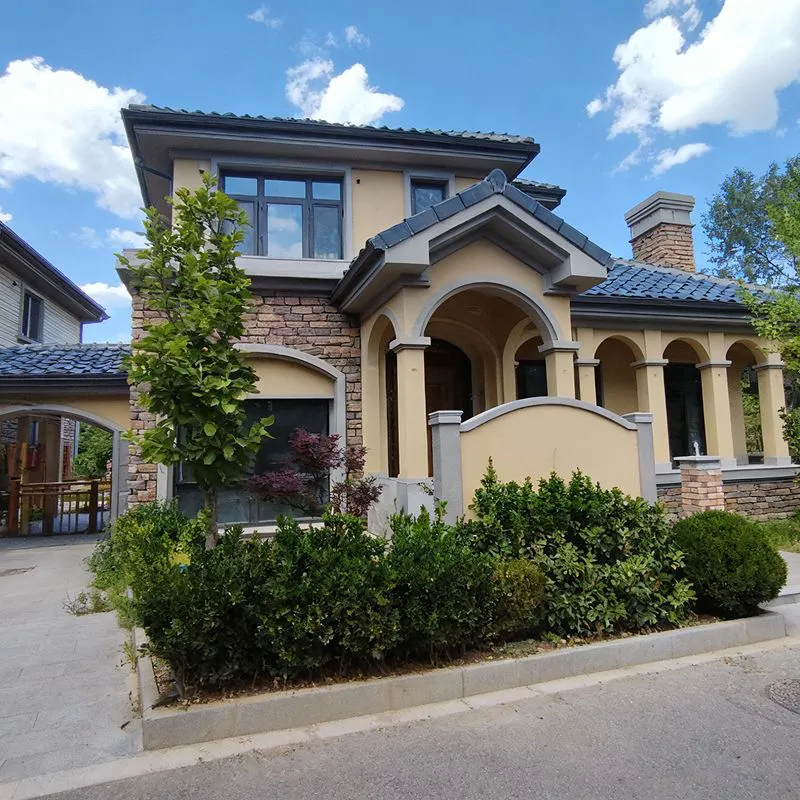
Creating a peaceful, noise-controlled home requires a multi-layered strategy that addresses all potential sources of sound transmission. The following approaches have proven highly effective:
1. Acoustic Insulation Panels
Installing high-quality acoustic insulation materials in wall and floor cavities is a foundational step. Products such as mineral wool, rock wool, and high-density acoustic foam absorb sound energy, reducing resonance and echo. Placing these materials between wall studs, ceiling joists, or floor beams can significantly improve sound absorption, effectively transforming hollow or reverberant rooms into quieter, more comfortable spaces.
2. Floating Floors and Anti-Vibration Layers
Floor noise is one of the most noticeable issues in multi-story light steel villas. A floating floor system—where the top floor layer is isolated from the structural frame using resilient materials—effectively dampens impact noise. Rubber mats, vibration-damping underlayments, and elastic pads serve as buffers, preventing footsteps or moving furniture from transmitting vibrations through the steel skeleton. This approach is particularly beneficial in areas like bedrooms, home offices, or entertainment rooms.
3. Double-Layer Drywall Construction
Walls and ceilings benefit greatly from double-layer drywall installations, often with an air gap or damping material in between layers. This increases the wall’s mass and interrupts the direct path of sound waves. When combined with acoustic sealants at joints and edges, double-layer drywall can reduce sound transmission by more than half, creating a noticeable improvement in privacy and comfort.
4. Acoustic Sealants and High-Performance Doors/Windows
Even the best insulation can be compromised by gaps. Acoustic sealants fill cracks and joints, preventing sound leakage. Additionally, installing soundproof doors, double-glazed windows, and weather-stripping enhances the villa’s ability to contain internal noise and block external disturbances. These upgrades are particularly effective for rooms like bedrooms, media rooms, or offices where silence is crucial.
5. Ceiling Soundproofing Solutions
Ceilings are often overlooked in light steel villas, yet airborne noise from upper floors can travel easily. Installing suspended ceilings with acoustic tiles or sound-absorbing panels, combined with an insulation layer above, not only improves the aesthetic appeal of the interior but also significantly reduces noise transfer from above.
6. Smart Interior Layout and Furnishing
Acoustic comfort is also influenced by interior design. Strategically locating bedrooms away from high-traffic zones, using thick rugs, curtains, or upholstered furniture to absorb sound, and designing partitions to interrupt noise paths can improve acoustic performance without structural changes. Thoughtful furniture placement and layout can make a measurable difference in reducing hollow noise.
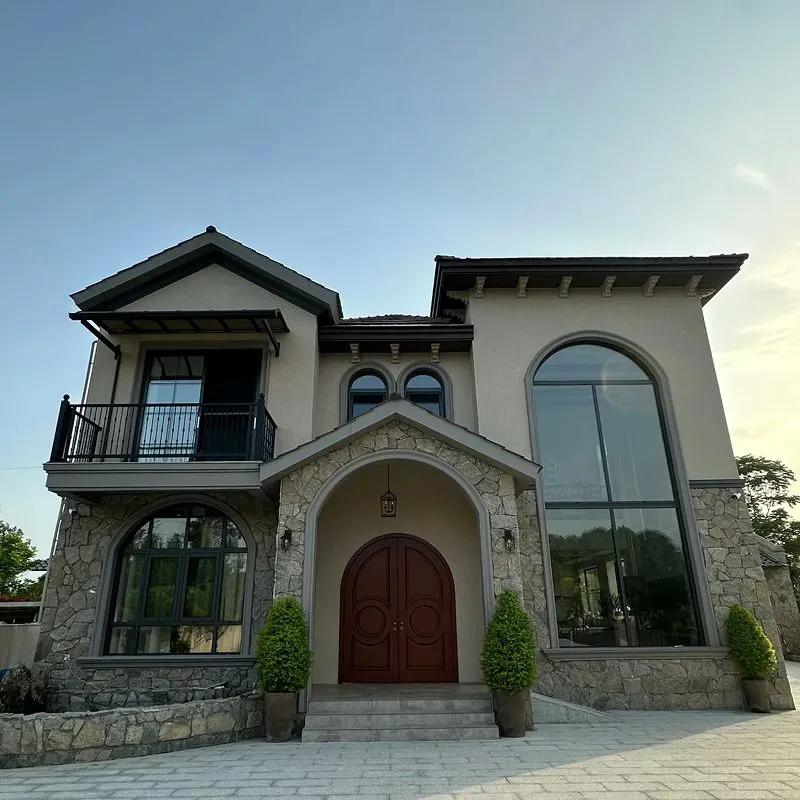
A project in Southeast Asia demonstrates the effectiveness of these strategies. Initially, a client’s light steel villa suffered from pronounced hollow noise caused by thin wall panels and an open floor design. Through a comprehensive approach—including rock wool insulation in walls, floating floors with vibration-absorbing pads, double-layer drywall with acoustic sealants, and soundproof windows—the hollow noise was reduced by over 70%. Residents reported a living experience comparable to traditional concrete houses, proving that modern light steel villas can achieve both efficiency and exceptional acoustic comfort when soundproofing is prioritized.
Investing in professional soundproofing brings multiple advantages:
Enhanced Comfort: A quieter, more peaceful home environment that eliminates echoes and reverberations.
Privacy Protection: Improved insulation keeps conversations and activities contained within rooms.
Increased Property Value: Homes with superior acoustic performance are more appealing to buyers and renters.
Design Flexibility: Soundproofing allows open-plan layouts without compromising privacy or comfort.
Effective soundproofing in light steel villas is a holistic process, addressing walls, floors, ceilings, doors, windows, and even interior design. By integrating acoustic insulation, resilient materials, strategic design, and precise construction practices, homeowners can transform potentially noisy light steel structures into serene and comfortable spaces. Modern soundproofing solutions ensure that these villas retain their lightweight efficiency while addressing hollow noise—enhancing both the quality of life and the long-term value of the property.
For developers and homeowners seeking to combine innovative construction with superior living comfort, prioritizing soundproofing is essential. With the right combination of materials and techniques, hollow noise becomes a problem of the past, allowing residents to fully enjoy the benefits of a modern, efficient, and sustainable home.
Contact Now