Time: 2026-01-09 01:24:10
As minimalist lifestyles continue to gain popularity globally, more and more people are rethinking the meaning of "living." Urban land scarcity, soaring housing prices, and increasing demands for personal freedom are prompting people to seek more flexible and economical housing options. Space capsule houses and traditional tiny homes have emerged in this context.

While both are designed around the core principles of "small space, high efficiency," they target vastly different lifestyles. Below, we will systematically analyze them from multiple perspectives, including structure, application scenarios, cost, and living experience, to help readers find a suitable future living solution.
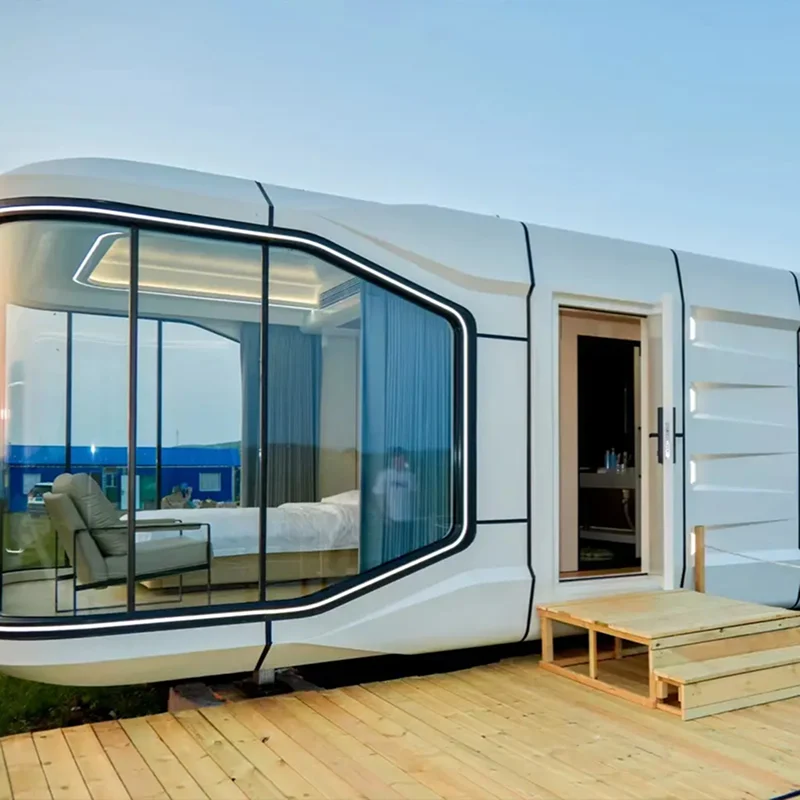
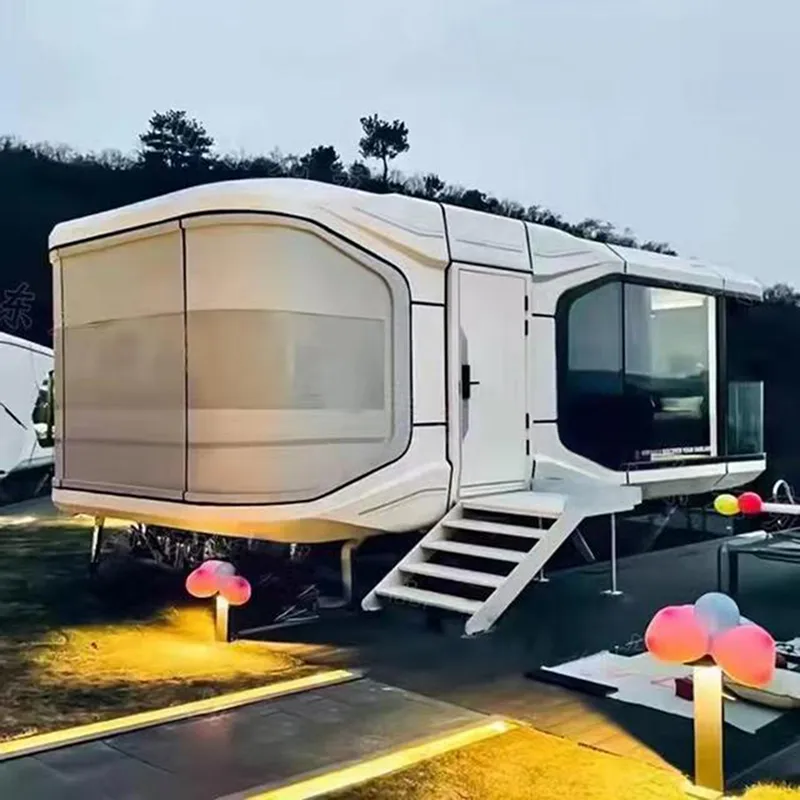
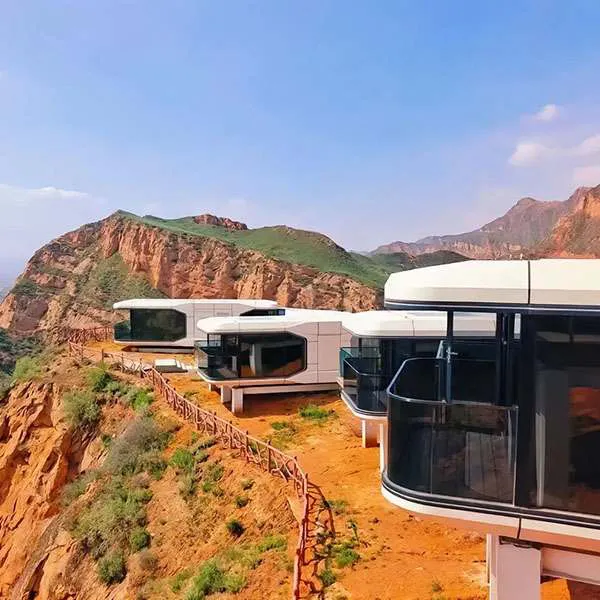
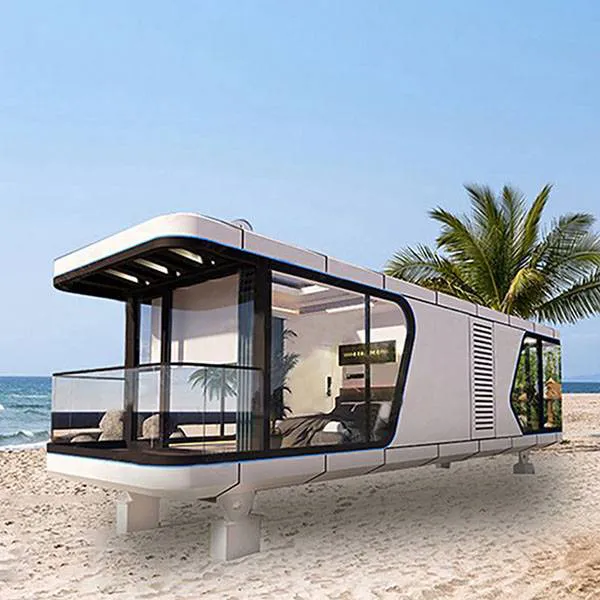
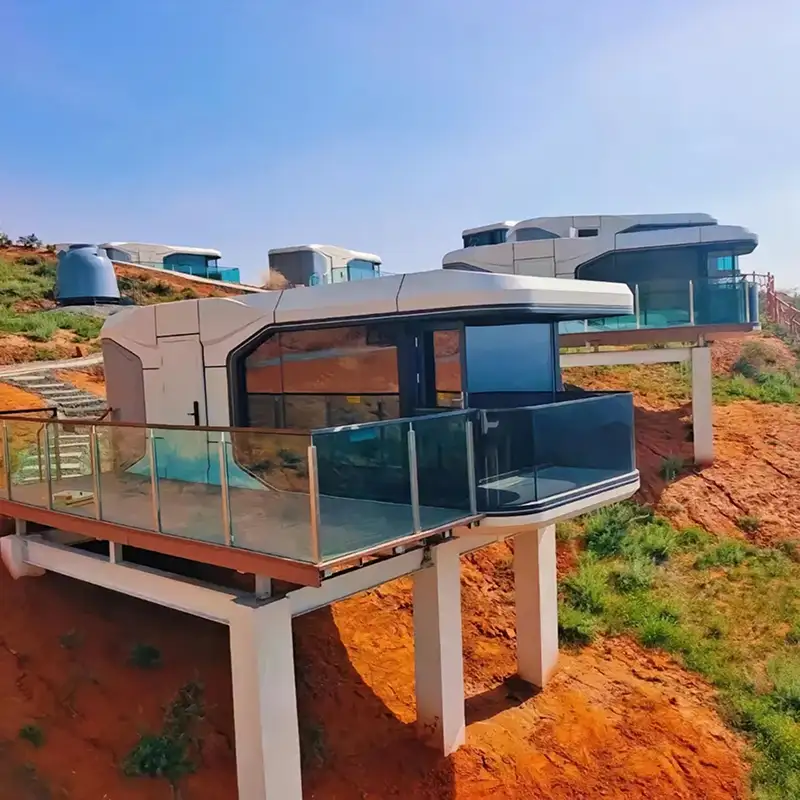
Space Capsule Houses have quickly gained popularity with their futuristic capsule-like structures. Inspired by space capsule concepts and drawing inspiration from the spatial design of Japanese capsule hotels, they typically feature curved or modular structures, achieving efficient living through lightweight materials and intelligent systems. They can serve as convenient urban living units and are also suitable for campsites, scenic areas, mobile offices, and other uses.
Key Features
Space capsule homes aren't simply about being "small," but about maximizing space utilization through technology and design. Examples include:
Hidden storage systems and folding furniture
Built-in air purification and intelligent temperature control
Pre-installed lighting, network, and electrical systems
Can be hoisted and quickly installed
Therefore, it boasts a stronger technological appeal and a futuristic style.
Advantages and Highlights
Ultra-compact footprint: Suitable for small spaces such as urban vacant lots, rooftops, and commercial locations.
Rich technological features: Naturally compatible with smart home systems.
Short construction cycle: Factory prefabricated, can be transported as a whole and installed on the same day.
Lower energy consumption: Small size, good insulation, and more affordable daily operating costs.
Potential Limitations
Limited long-term living comfort: Small space, suitable for one person or short-term use.
Limited personalization: High degree of prefabrication, limited room for modification.
Insufficient social space: Difficult to meet the needs of "multi-person cohabitation" or gatherings.
Traditional microhomes are closer to the common perception of a "miniature house." Although only 100–400 square feet, their structure and functional layout are similar to a regular house, including a kitchen, bathroom, living room, and even a small loft. They can be mobile, built on a trailer chassis, or used as permanent residences.
Key Features
Microhomes emphasize a "less is more" lifestyle, but focus more on the living experience:
Customized or handcrafted throughout
Fully equipped kitchen and bathroom
Expandable storage space
A warmer living atmosphere
Advantages
More spacious: Meets needs for food preparation, bathing, and relaxation.
Highly customizable: Customizable from exterior to interior design.
Suitable for social occasions: Can accommodate couples, small families, or friends for short stays.
Flexible location: Can be built in rural areas, suburbs, or backyards.
Potential Limitations
Higher costs: Construction and maintenance costs are similar to small houses.
Relatively large footprint: Requires compliance with community regulations, land laws, or permits.
Longer construction period: The design, construction, and acceptance processes are more complex.
|
Features |
Space Capsule House |
Traditional Tiny Home |
|
Space size |
Ultra-compact cabins with concentrated functions |
Compact but closer to a standard home |
|
Mobility |
Movable but not frequently moved |
Trailer-mounted vehicles offer high mobility. |
|
Technological |
Powerful |
Medium-end, configurable as needed |
|
Customization |
Low |
Highly customizable |
|
Cost |
Lower |
Higher |
|
Applicable |
Office workers, short-stay travelers, and commercial settings |
Couples, small families, long-term residents |
|
Installation Cycle |
Extremely short, landing in a few hours |
It takes a long time and requires a construction period. |
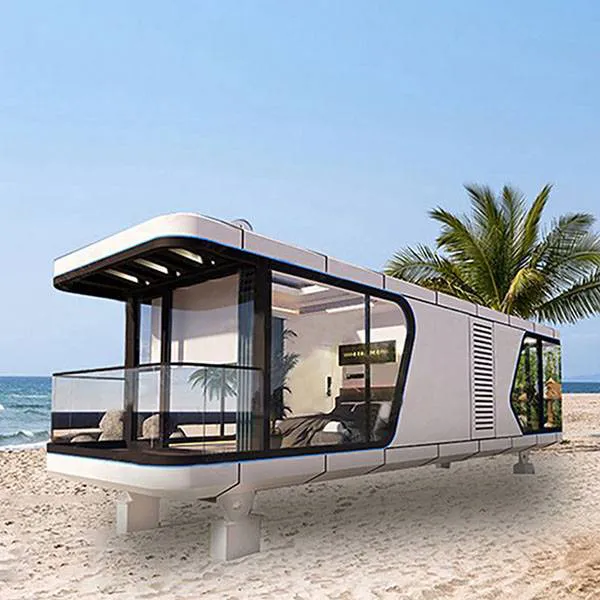
Space Capsule Houses are more suitable for you.
They are suitable as:
A second home for urban singles
A guesthouse or campsite in a scenic area
A rapidly deployable product for rental operators
Flexible office/vacation pods
Traditional Tiny Homes are a more reliable choice.
Suitable for:
Couples, two-person households
Separate homes seeking high cost-performance
Niche users who want to create personalized spaces
People who need complete living functions
Whether it's the technologically advanced Space Capsule House or the warm and practical Traditional Tiny Home, they both represent a change in contemporary housing concepts—space is no longer a limitation, but a design possibility.
Choosing a suitable way of living is choosing an attitude that better aligns with future living.
Contact Now