Time: 2026-03-18 07:06:32
In today’s global construction landscape, labor is no longer just a cost factor—it has become one of the most unpredictable variables affecting project timelines, quality consistency, and overall profitability. Rising wages, skilled labor shortages, and increasing compliance requirements have forced developers and contractors to rethink how projects are executed. Against this backdrop, prefabricated light steel kits are rapidly gaining traction as a practical and scalable solution for reducing labor dependency while improving construction efficiency.
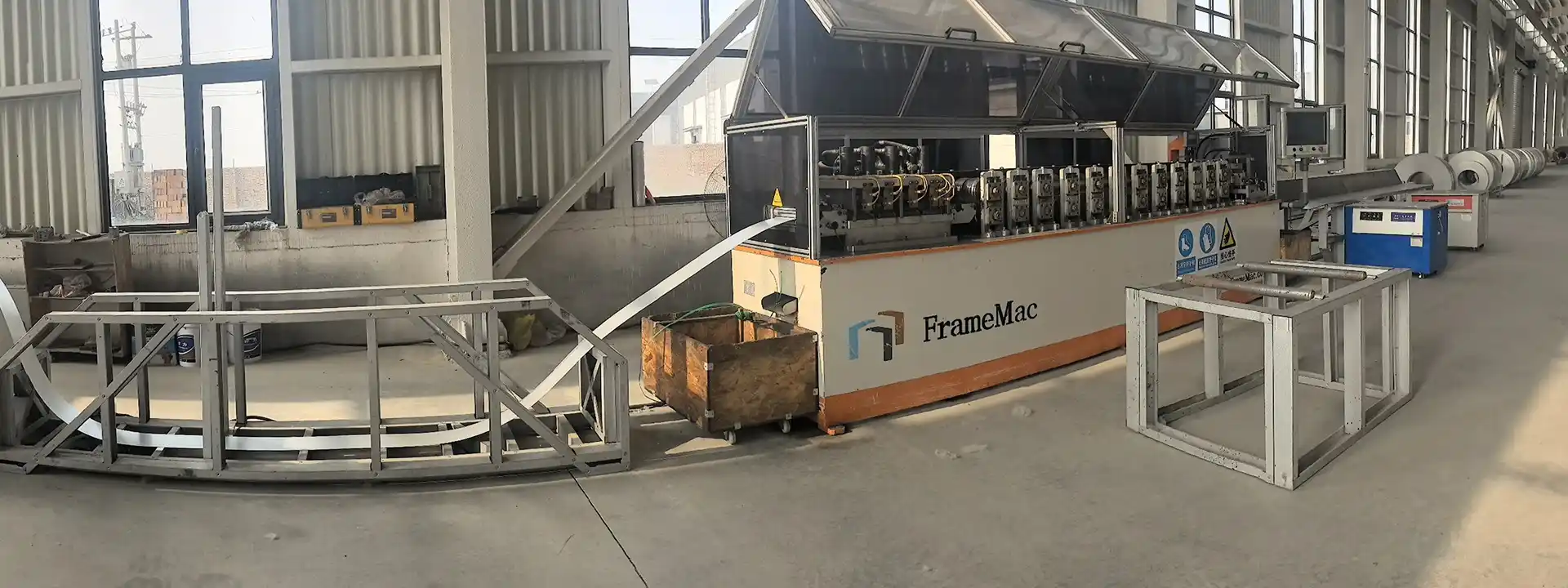
Unlike traditional building approaches that rely heavily on on-site fabrication, prefabricated light steel systems shift a significant portion of the workload into a controlled manufacturing environment. This fundamental change is not merely about convenience; it represents a structural optimization of the entire construction process.
Conventional construction methods typically involve a sequence of labor-heavy activities on-site—material cutting, welding, alignment, and adjustment—all of which require time, skilled workers, and continuous supervision. These processes are also highly sensitive to environmental conditions, making delays almost inevitable in many regions.
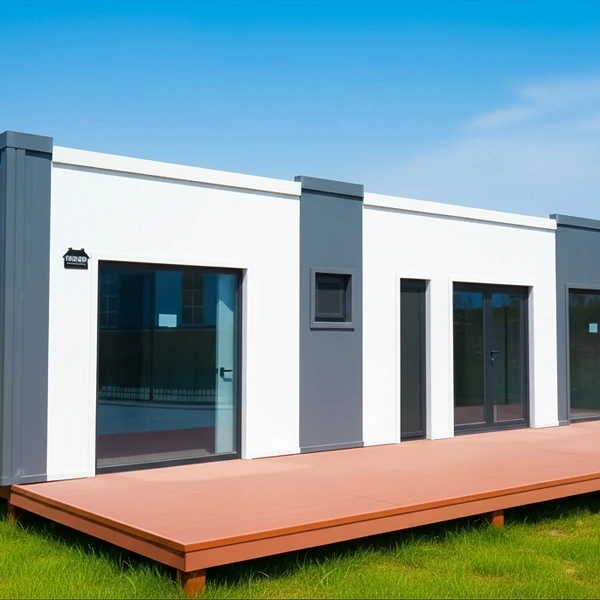
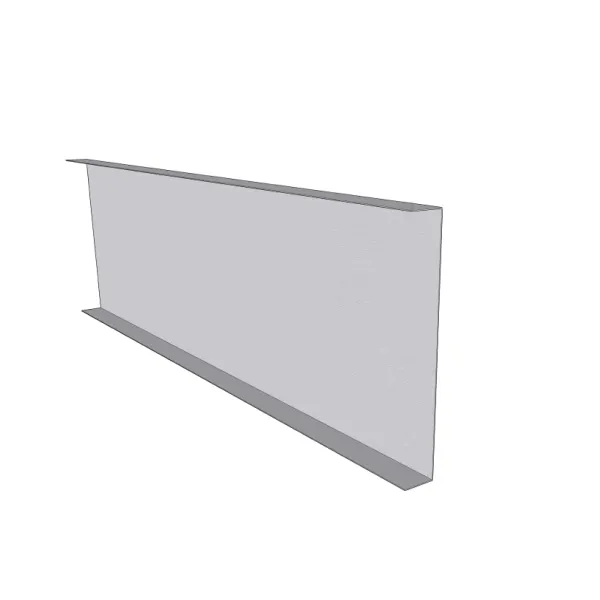
Prefabricated light steel kits, by contrast, arrive on-site as fully engineered systems. Each component is pre-cut, pre-drilled, and labeled according to detailed assembly drawings. This level of preparation transforms construction from a craft-based process into a streamlined assembly operation.
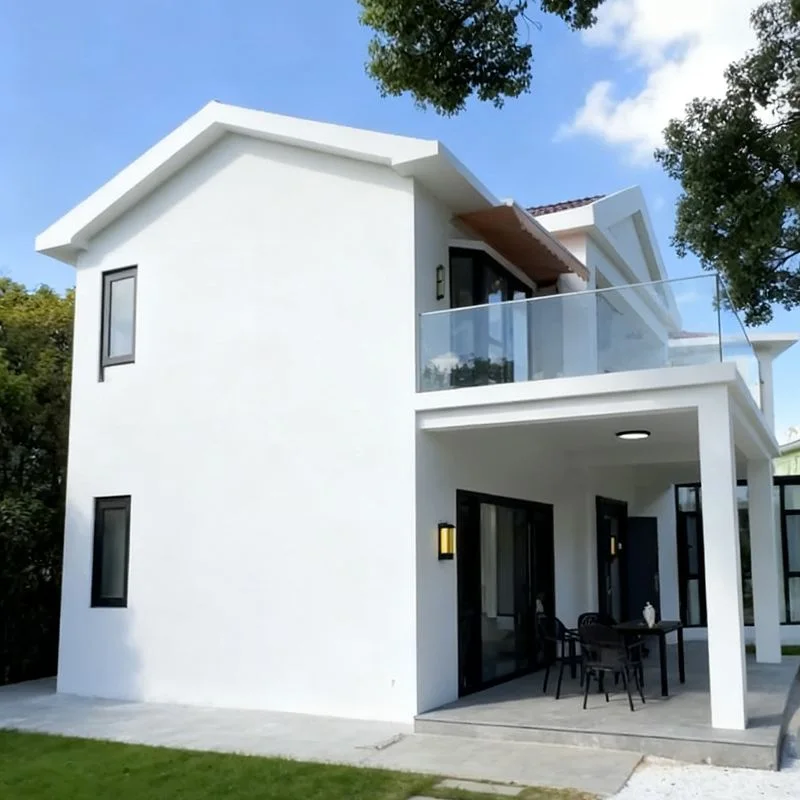
In practical terms, this means that once the foundation is completed, installation teams can begin erecting the structure immediately. Projects that would traditionally require several weeks of structural work can often reach the same milestone in just a few days. For contractors managing tight schedules or multiple sites simultaneously, this time compression directly translates into reduced labor hours and improved project turnover.
Quantifying Labor Savings: Where the Efficiency Comes From
Based on industry observations and real-world project feedback, the adoption of prefabricated light steel kits can reduce on-site labor requirements by approximately 40% to 60%. These savings are not derived from a single factor but from a combination of process improvements:
Reduced On-Site Fabrication
Eliminating cutting and welding activities significantly decreases the need for specialized trades such as certified welders and metal fabricators.
Simplified Installation Process
Bolt-based connections replace complex joining techniques, allowing smaller teams to complete structural assembly with higher speed and consistency.
Minimized Rework and Adjustments
Factory-controlled production ensures dimensional accuracy, reducing the likelihood of misalignment or installation errors that typically require additional labor to correct.
Lower Supervision Requirements
Standardized components and clear assembly sequences reduce the dependency on highly experienced site managers for day-to-day coordination.
These combined efficiencies result in not only fewer workers on-site but also a more predictable and manageable labor structure.

One of the most pressing challenges in construction today is the shortage of skilled labor, particularly in specialized fields such as steel welding and precision fabrication. Recruiting and retaining such talent often comes at a premium, especially in developed markets or remote project locations.
Prefabricated light steel kits address this issue by redistributing complexity from the construction site to the manufacturing stage. Advanced machinery, automated cutting systems, and strict quality control protocols ensure that each component meets precise engineering standards before it is delivered.
As a result, the on-site assembly process can be carried out by semi-skilled crews following standardized procedures. While technical oversight remains important, the overall reliance on highly specialized labor is significantly reduced. This not only lowers direct labor costs but also mitigates risks associated with workforce availability and turnover.
Labor savings in prefabricated construction are closely linked to time efficiency. Shorter construction periods reduce not only wage-related expenses but also a wide range of indirect costs, including:
Equipment rental and machinery operation
Temporary site facilities and utilities
Project management and supervision overhead
Financing costs tied to construction duration
Moreover, faster project completion enables earlier occupancy or operational use, allowing developers to generate revenue sooner. In commercial and industrial projects, this time advantage can have a measurable impact on return on investment.
Safety is often viewed as a compliance requirement, but in reality, it is closely tied to labor efficiency. Traditional steel construction involves numerous high-risk activities, such as working at height, handling heavy materials, and performing on-site welding.
Prefabricated light steel kits inherently reduce these risks. Components are lighter, easier to handle, and designed for straightforward installation. The reduction in hazardous tasks leads to fewer accidents, less downtime, and lower costs associated with safety management and insurance.
A safer work environment also improves workforce morale and productivity, further contributing to overall labor efficiency.
For developers and contractors managing multiple projects, consistency is a key factor in controlling costs and maintaining quality. Prefabricated light steel systems offer a high degree of standardization, enabling teams to replicate successful construction processes across different sites.
Once a crew becomes familiar with a specific system, the learning curve for subsequent projects is significantly reduced. This repeatability allows companies to optimize labor allocation, streamline training, and achieve cumulative efficiency gains over time.
In large-scale developments or modular housing programs, this advantage becomes even more pronounced, as standardized components can be produced and assembled in large volumes with minimal variation.

It is true that prefabricated light steel kits may involve higher upfront costs compared to sourcing raw materials for traditional construction. However, focusing solely on material costs can be misleading.
When evaluated from a total project cost perspective—including labor, time, risk, and operational efficiency—the economic benefits become clear. Reduced labor requirements, shorter timelines, fewer errors, and improved predictability collectively contribute to a stronger overall return on investment.
In many cases, even mid-sized projects can achieve total labor cost reductions in the range of 20% to 50%, depending on project conditions and execution strategies.
The growing adoption of prefabricated light steel kits reflects a broader shift within the construction industry—from labor-intensive practices to efficiency-driven systems. This transition is not simply a trend but a response to real economic and operational pressures.
For developers, contractors, and project managers seeking to remain competitive, the question is no longer whether to consider prefabrication, but how to integrate it effectively into their project workflows.
Prefabricated light steel kits offer a practical and proven pathway to reducing labor costs while improving construction speed, quality, and safety. By transferring complexity to controlled manufacturing environments and simplifying on-site assembly, these systems enable construction teams to do more with fewer resources.
In an industry where margins are increasingly tight and timelines are constantly under pressure, the ability to optimize labor efficiency is a decisive advantage. Prefabricated light steel solutions are not just an alternative construction method—they represent a smarter, more sustainable approach to building in the modern era.
Contact Now