Time: 2026-09-28 01:37:19
When planning a new home, the choice of structural framing is a critical decision that affects durability, cost, and construction speed. Two popular options often compared are light steel (cold-formed steel) and traditional steel frame (hot-rolled steel). While both rely on steel's inherent strength, they differ significantly in thickness, weight, assembly methods, and ideal applications. Understanding these differences helps homeowners and builders select the most cost-effective and structurally sound solution for their project. This article provides a clear, professional comparison to aid your decision.
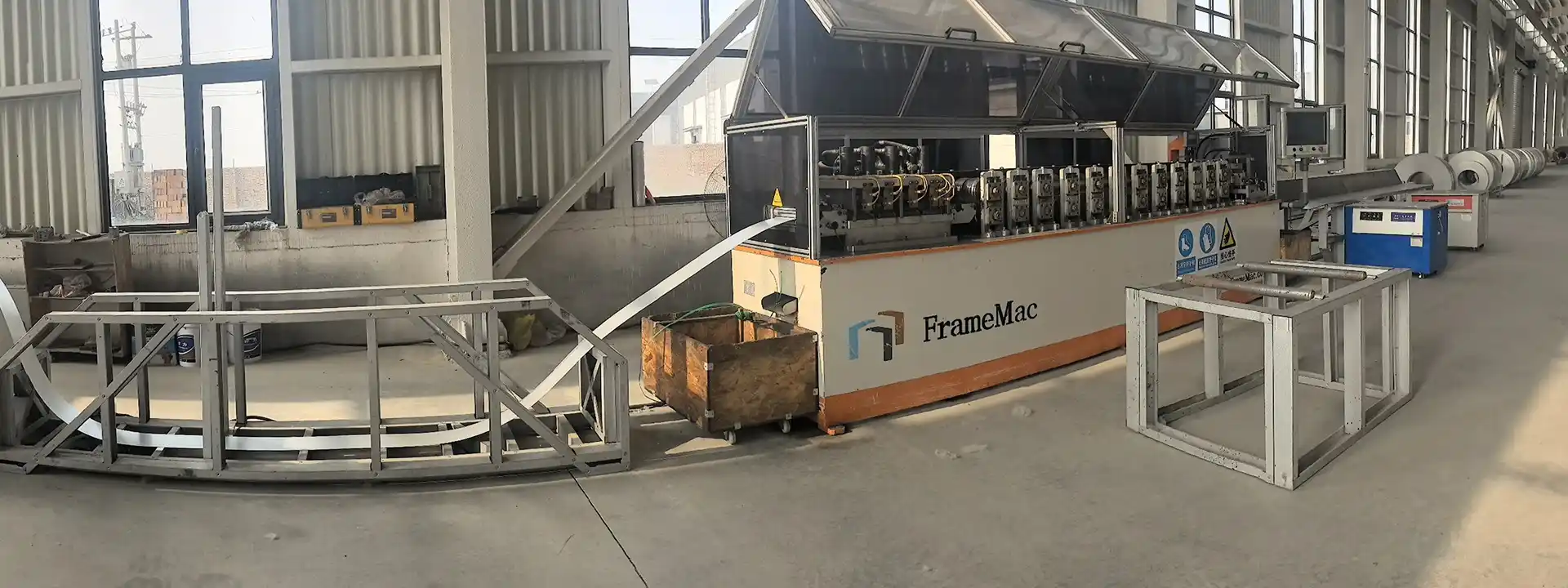
Light steel, also known as cold-formed steel (CFS), is manufactured by pressing or rolling thin sheets of steel (typically 0.5–2.5 mm thick) into structural shapes like C-sections, Z-sections, and tracks. It is lightweight, pre-punched for services, and commonly used in residential and low-rise commercial buildings. Light steel components are assembled with self-drilling screws or bolts, allowing for rapid on-site erection without heavy lifting equipment.
Steel frame, often referred to as hot-rolled steel, uses thicker steel sections (usually 5 mm and above) that are heated and formed into beams, columns, and channels. These heavy sections are welded or bolted together to create a rigid structural skeleton. Steel frame is widely used in multi-story buildings, industrial facilities, and large-span structures where extreme load-bearing capacity is required.

Light steel is ideal for single-family homes, townhouses, and low-rise buildings where floor loads are modest. It suits projects requiring rapid construction, tight budgets, and easy integration with insulation and services. Builders appreciate its precision (factory-cut to exact lengths), reduced waste, and compatibility with drywall or paneling finishes.
Steel frame becomes necessary for multi-story residential buildings (3+ floors), homes with large open spaces, or projects in high-seismic or high-wind zones. It also works well for homes with heavy stone or concrete finishes that demand robust support. However, the higher cost and longer construction time must be factored into the budget.
With over a decade of expertise in the steel construction industry, HBFRM STEEL supplies both light steel and steel frame solutions tailored to residential projects. Our team provides detailed engineering support, precise manufacturing, and just-in-time delivery to keep your build on schedule. Whether you need cold-formed steel sections for a modular home or hot-rolled beams for a custom mansion, HBFRM STEEL ensures compliance with international standards and rigorous quality control. By choosing HBFRM STEEL, you gain a partner who understands the nuances of residential steel framing and helps you select the optimal material for durability, cost, and performance.
Yes, properly designed light steel framing can support two-story residential loads. Engineers specify thicker gauge steel (e.g., 2 mm) for lower floors and use trusses or steel beams at critical spans. Always consult a structural engineer for local code requirements.
Both can last 50+ years when properly protected against corrosion. Light steel in interior walls is not exposed to moisture, so it performs equally well. Steel frame exposed to elements may require periodic maintenance of coatings.
Both are made from recycled steel and are 100% recyclable at end of life. Light steel uses less material per square foot, reducing embodied carbon. Steel frame uses more steel but can be recycled multiple times with no loss of quality.
Absolutely. A common approach is to use steel frame for the main structural columns and beams, while using light steel for interior partitions, exterior walls, and roof trusses. This hybrid strategy balances cost and strength.
Making the right choice between light steel and steel frame depends on your home's design, budget, and local building requirements. Both materials offer superior durability and fire resistance compared to wood. By understanding their distinct characteristics, you can confidently plan a steel-framed home that stands the test of time. For expert advice and high-quality steel products, contact HBFRM STEEL—your trusted partner in residential steel construction.
Contact Now