Time: 2026-03-24 02:07:38
In 2026, the residential construction landscape is undergoing a noticeable transformation. Homeowners, developers, and construction companies are no longer making decisions based solely on traditional preferences. Instead, they are increasingly evaluating cost efficiency, construction speed, long-term performance, and environmental impact. Among the most frequently compared building solutions are light steel structure (LSS) homes and traditional brick masonry houses.
While brick houses have long been associated with durability and familiarity, light steel structure homes are rapidly gaining traction due to advancements in prefabrication technology, rising labor costs, and stricter sustainability requirements. A comprehensive cost comparison in 2026 must go beyond initial expenses and consider the entire lifecycle value of a building.
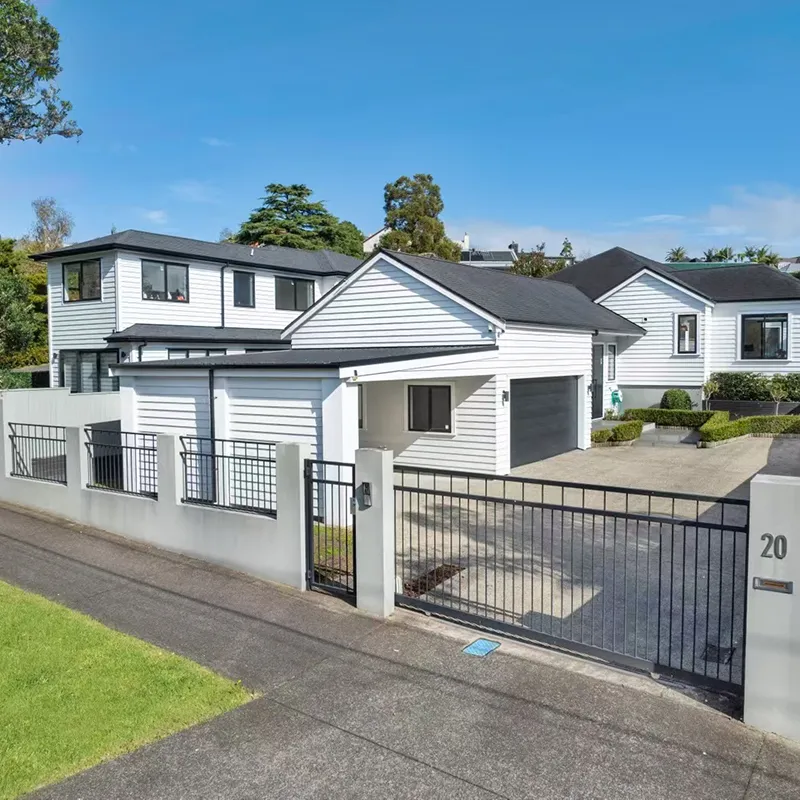
Material cost remains one of the most visible factors in any construction budget, but it is also one of the most misunderstood when comparing steel and brick structures.
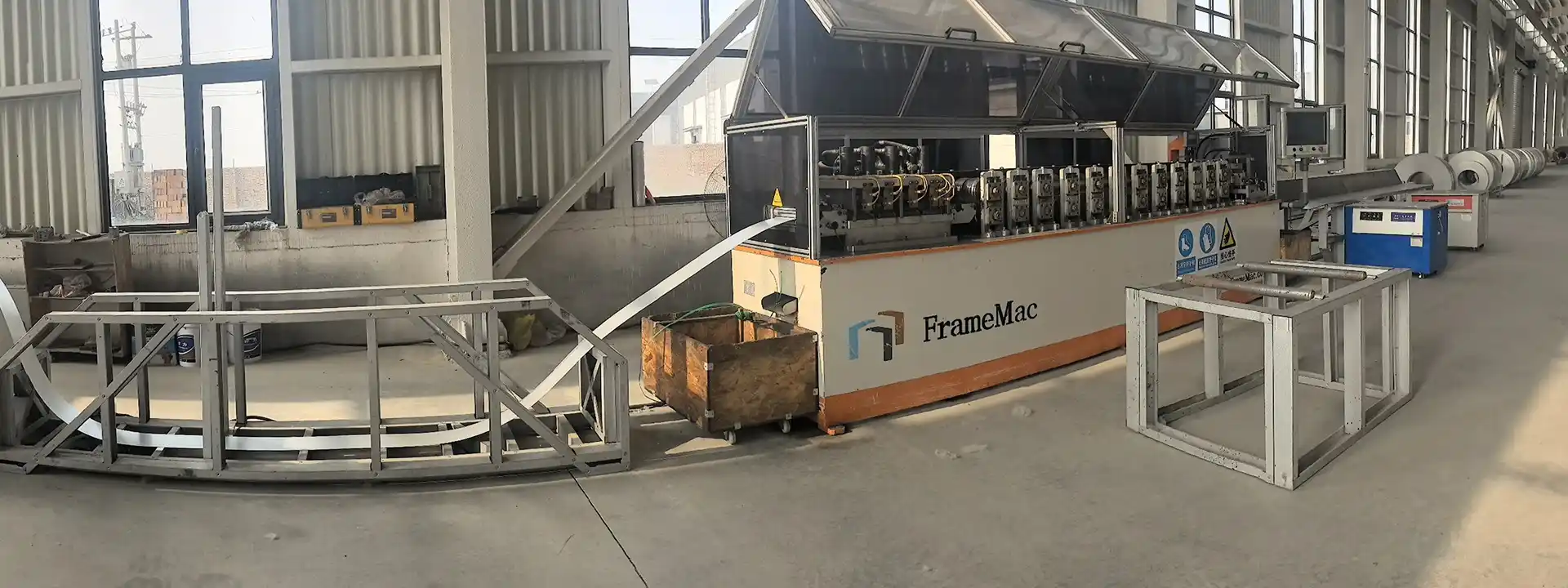
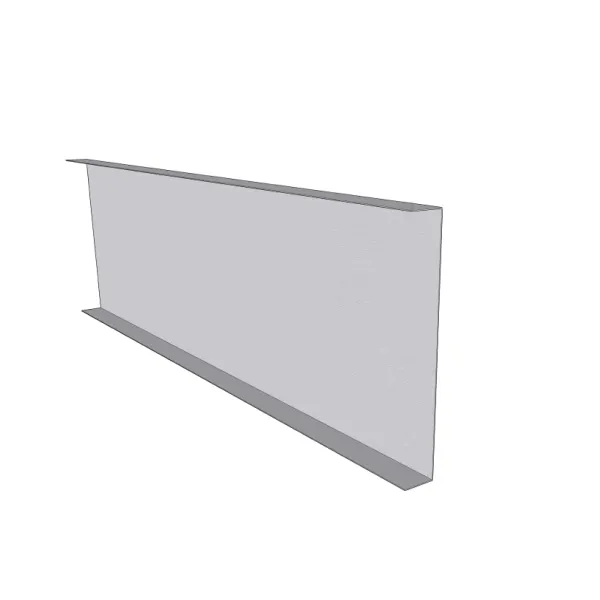
Light steel structure homes rely on precision-engineered, factory-produced steel components. In 2026, the global steel market continues to experience price fluctuations influenced by supply chains, energy costs, and technological improvements in manufacturing. As a result, the upfront material cost of steel framing may appear higher than traditional bricks in some regions.
However, this comparison often overlooks several critical factors. Steel components are manufactured under controlled conditions, which significantly reduces material waste and eliminates inconsistencies. This level of precision ensures that fewer resources are lost during construction, and it reduces the need for rework or corrections on-site.
In contrast, brick construction involves not only bricks but also cement mortar, plastering materials, and reinforcement systems. When developers calculate the total material cost, they must include these additional components, along with transportation and on-site storage losses. Furthermore, modern building standards often require reinforced concrete structures within brick houses, which adds another layer of cost.
As a result, the apparent price advantage of brick materials often narrows or even disappears in medium to large residential projects.
Labor availability and cost have become decisive factors in construction planning in 2026. In many regions, skilled masonry labor is becoming increasingly scarce, and wages continue to rise.
Brick house construction is highly labor-intensive and depends heavily on experienced workers for bricklaying, plastering, and finishing. This process is not only time-consuming but also susceptible to human error, which can lead to delays and additional costs.
Light steel structure homes, on the other hand, benefit from a high level of prefabrication. Most structural components are manufactured in factories and then transported to the construction site for assembly. This approach significantly reduces the reliance on skilled labor and shortens the construction timeline.
In practical terms, a light steel house can often be completed in 30% to 50% less time than a traditional brick house of similar size. This reduction in construction time translates directly into cost savings in labor, equipment rental, project management, and financing costs.
Additionally, faster project completion allows developers to bring properties to market sooner or enables homeowners to move in earlier, reducing indirect costs such as temporary housing or loan interest.
When evaluating long-term cost efficiency, durability and maintenance requirements play a critical role.
Light steel structures are designed to withstand a wide range of environmental conditions. Steel framing is resistant to termites, mold, and rot, which are common issues in traditional construction. Moreover, properly treated steel components offer excellent resistance to corrosion and can maintain structural integrity for decades with minimal maintenance.
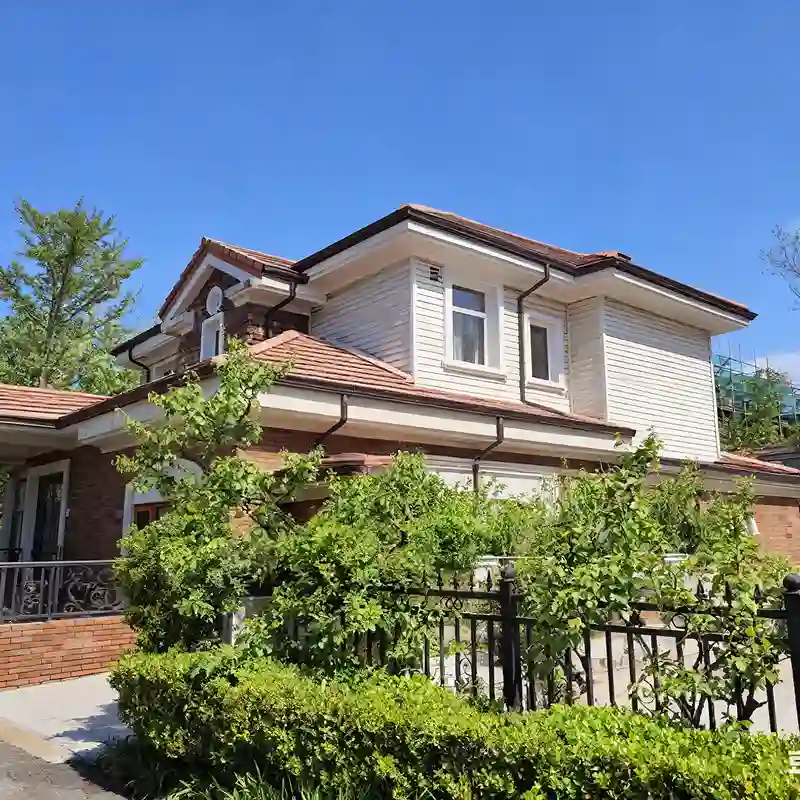
Brick houses, while known for their solidity, are more vulnerable to environmental stress over time. Factors such as temperature fluctuations, soil movement, and moisture infiltration can cause cracks in walls and mortar joints. Repairing these issues often requires ongoing investment, including re-pointing, waterproofing, and structural reinforcement.
In 2026, as maintenance costs continue to rise, the long-term financial burden associated with brick structures becomes more significant. By contrast, light steel homes offer predictable and relatively low maintenance expenses, making them a more cost-effective option over the building’s lifecycle.
Energy efficiency has become a central concern for both homeowners and developers, driven by rising energy costs and stricter environmental regulations.
Light steel structure homes are highly adaptable to modern insulation systems. Builders can integrate advanced thermal insulation materials within wall panels, roofs, and floors to create energy-efficient building envelopes. The precision of prefabrication also allows for tighter sealing, which reduces air leakage and improves indoor temperature control.
Brick houses provide natural thermal mass, which can help regulate indoor temperatures to some extent. However, to meet modern energy efficiency standards in 2026, additional insulation layers are often required. This increases both material and labor costs.
From a sustainability perspective, steel has a notable advantage due to its recyclability. Many steel components used in construction today are partially or fully recycled, reducing the overall environmental impact. In contrast, brick production involves energy-intensive firing processes, which contribute to higher carbon emissions.
As green building certifications and environmental regulations become more important, the sustainability profile of light steel structures adds significant long-term value.
A meaningful comparison between light steel and brick houses must consider the total cost of ownership rather than focusing solely on initial expenses.
When all factors are taken into account—including material costs, labor, construction time, maintenance, and energy efficiency—light steel structure homes often demonstrate superior cost performance over time. Although the initial investment may be slightly higher in some cases, the savings generated during construction and throughout the building’s lifespan can outweigh the upfront difference.
For small-scale or rural projects where labor costs are low and materials are locally available, brick houses may still offer competitive pricing. However, for urban developments, large residential projects, or regions facing labor shortages and environmental challenges, light steel structures provide a more efficient and future-oriented solution.
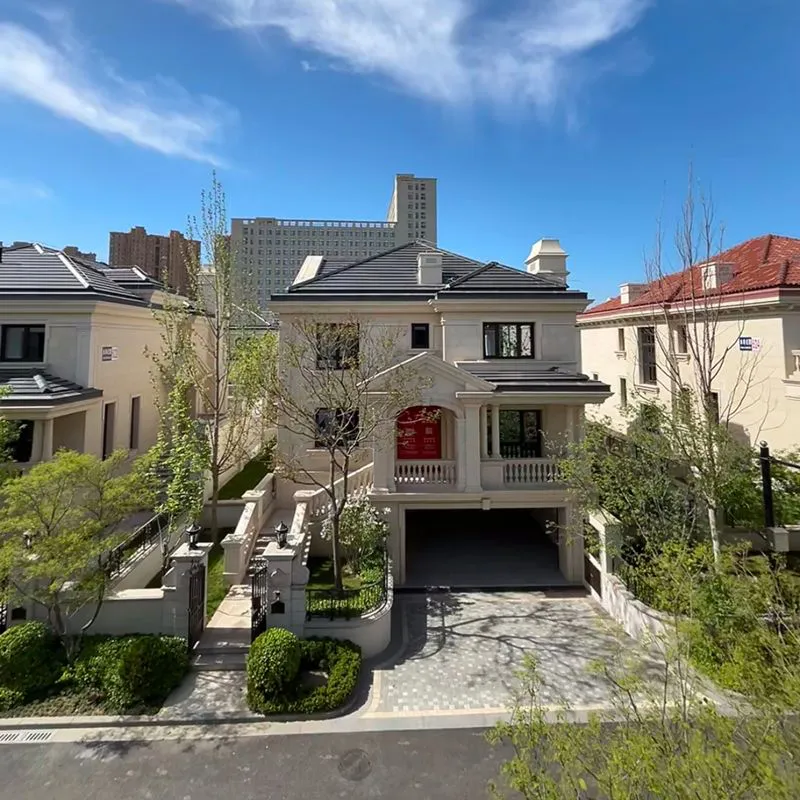
In 2026, the choice between these two construction methods often depends on project type and location:
Developers building large-scale housing communities benefit from the speed and scalability of light steel structures.
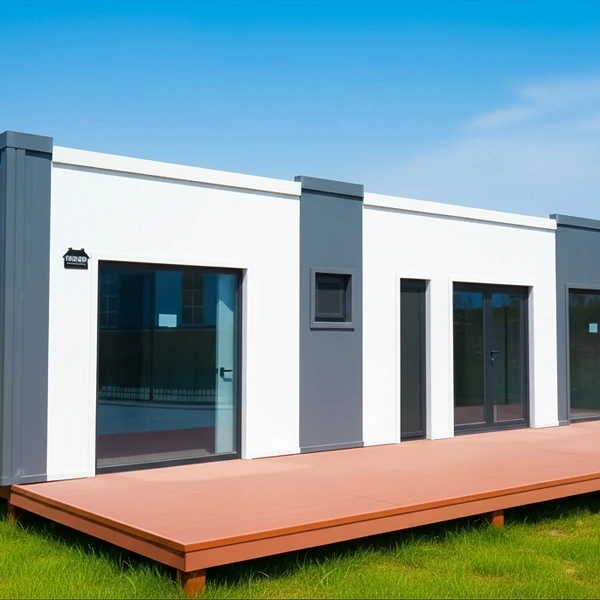
Homeowners seeking modern, energy-efficient villas increasingly prefer steel-framed solutions.
Projects in areas prone to earthquakes, humidity, or termites gain additional advantages from steel construction.
Traditional brick houses remain relevant in regions with established masonry expertise and lower labor costs.
Understanding these scenarios helps investors and builders make decisions that align with both budget and long-term performance goals.
1. Are light steel structure homes more expensive than brick houses in 2026?
Light steel homes may have slightly higher upfront material costs, but they often become more cost-effective due to reduced labor, faster construction, and lower maintenance expenses.
2. How long does it take to build a light steel house compared to a brick house?
A light steel house can typically be completed 30%–50% faster than a traditional brick house, depending on design complexity and site conditions.
3. Which option requires less maintenance over time?
Light steel structures generally require less maintenance because they are resistant to pests, moisture damage, and structural cracking.
4. Are steel homes energy-efficient?
Yes, light steel homes can achieve high energy efficiency when combined with modern insulation systems and airtight construction techniques.
5. Which construction method is more environmentally friendly?
Light steel structures are often more sustainable due to recyclability and lower construction waste, while brick production tends to have a higher carbon footprint.
In 2026, choosing between light steel structure homes and traditional brick houses requires a comprehensive evaluation of both short-term and long-term factors. While brick houses continue to offer familiarity and cultural appeal, they are increasingly challenged by rising labor costs, longer construction timelines, and higher maintenance requirements.
Light steel structure homes, supported by advancements in prefabrication and sustainable building practices, provide a compelling alternative. Their advantages in speed, cost control, durability, and energy efficiency position them as a forward-looking solution for modern construction.
For developers and homeowners aiming to maximize return on investment while meeting evolving environmental and performance standards, light steel structures represent not just a cost decision, but a strategic move toward smarter and more sustainable building practices.
Contact Now