Time: 2026-11-16 01:37:14
A garden is often the most underused part of a property. It is large enough to hold something meaningful, yet most owners fill it with a shed, a few chairs, and a lawnmower. A space capsule house changes that equation. These prefabricated, pod-shaped structures combine a striking architectural silhouette with the practical benefits of modular construction: they arrive largely finished, install quickly, and can serve as a studio, guest room, home office, or rental unit. If you are weighing whether to buy a space capsule house for your garden, this guide explains the real reasons buyers choose one, how it compares with conventional garden buildings, and what to verify before you place an order.
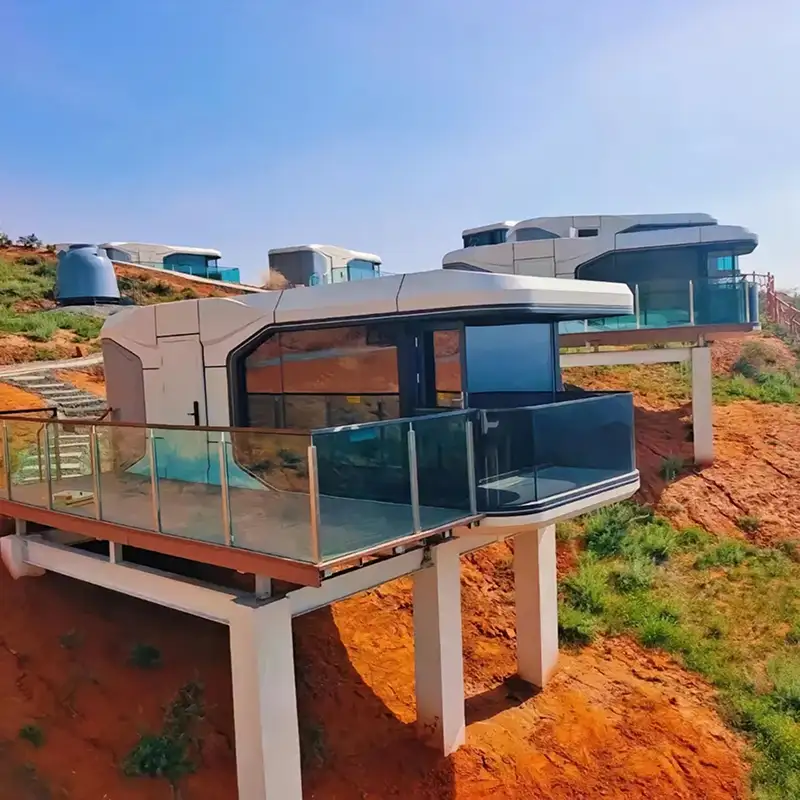
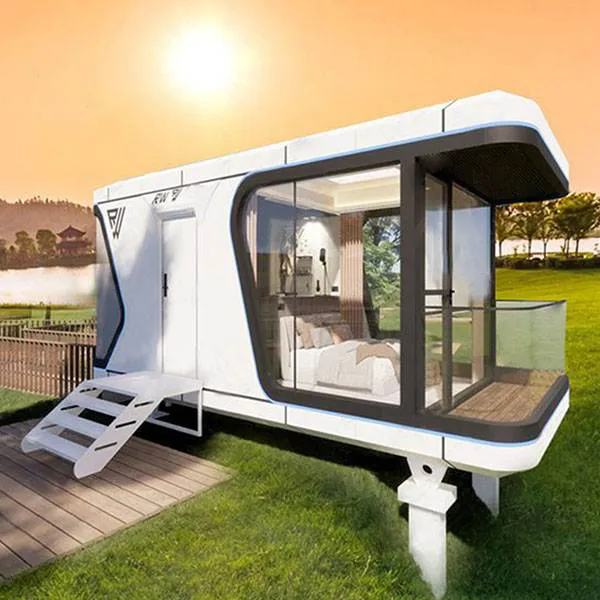
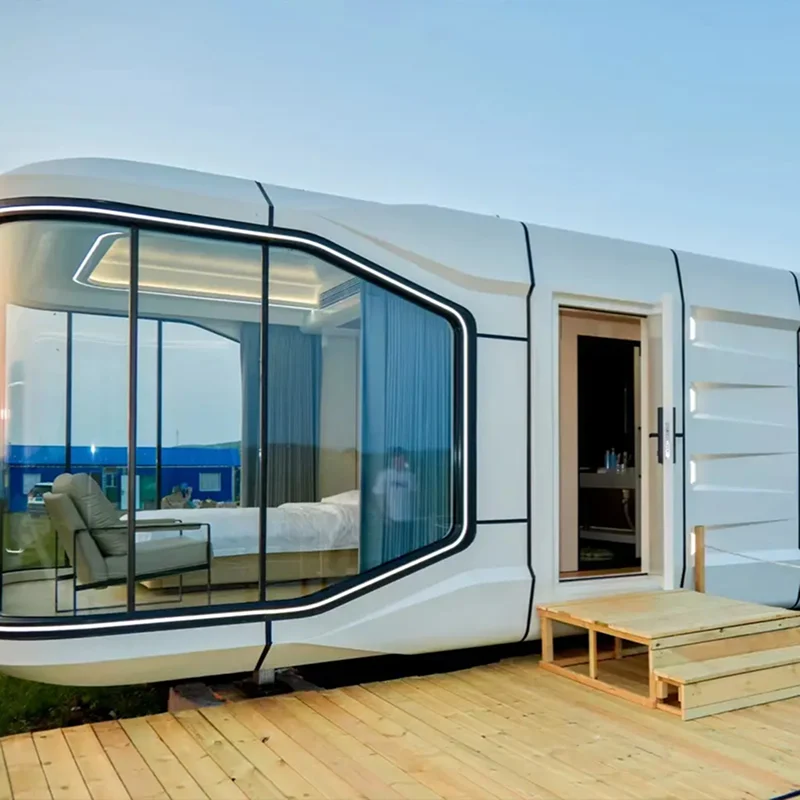
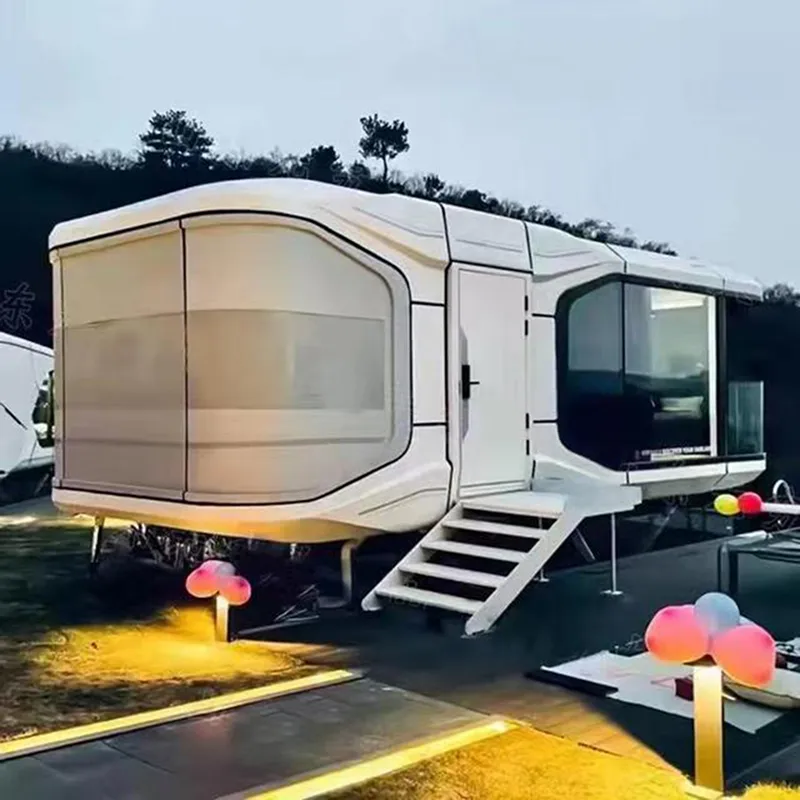
A space capsule house is a prefabricated living unit built around a steel frame and clad in aluminium or composite panels, usually with a rounded or pod-like form. The design borrows from aerospace aesthetics, but the engineering is grounded in ordinary building science. Each unit is assembled at the factory, tested, and then transported to the site as a module or a small set of modules.
Unlike a traditional cabin, a space capsule house is manufactured under controlled conditions. Welding, insulation, wiring, plumbing runs, and surface finishing all happen before delivery. That shifts most of the quality risk away from the construction site and into the factory, which is a significant advantage for buyers who do not want to manage a building project in their own back garden.
Most models share a consistent set of features:
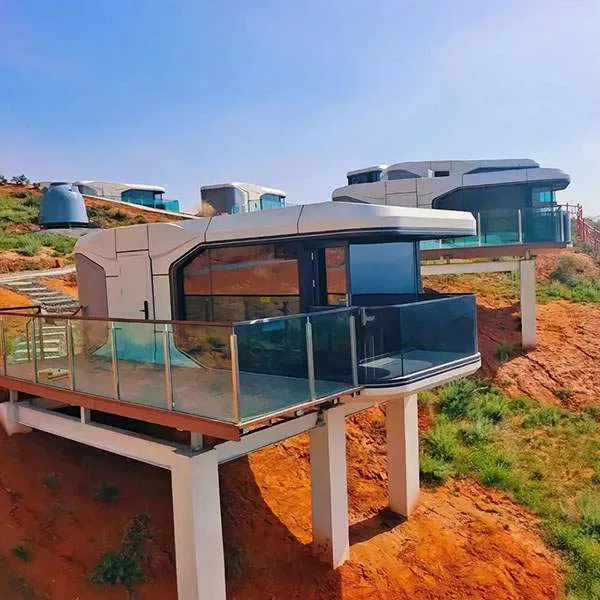
Placing a capsule house in a garden rather than on a bare plot solves several practical problems at once. The land is already owned, usually already connected to power and water, and rarely subject to the same access constraints as a remote building site.
Adding a garden capsule house expands a property's functional area without the cost and disruption of extending the main building. A garden studio can absorb a home office, a gym, a guest suite, or a hobby room, freeing up rooms inside the house. For many owners, this is cheaper and far faster than a brick extension.
Capsule houses distribute weight efficiently through their steel frames, so they typically require only a simple concrete pad, screw piles, or a compacted gravel base. That reduces groundwork costs and shortens the project timeline considerably compared with traditional construction.
A well-insulated capsule house is not a seasonal garden shed. With proper insulation, double or triple glazing, and a small heating and cooling unit, it can be used comfortably throughout the year. This is the single biggest difference between a capsule house and an ordinary garden cabin.
Beyond personal use, a garden capsule house can generate income as a short-term rental or a long-term let, depending on local regulations. Even without renting it out, a well-designed pod tends to raise the perceived value of a property because it looks intentional rather than improvised.
The comparison that matters most to buyers is not capsule house versus house, but capsule house versus the alternatives already available in the garden market.
The trade-off is cost and paperwork. A capsule house generally costs more than a basic shed, and because it is a habitable structure, it may fall under local planning or building rules. That is a question to settle with your local authority before ordering, not after.
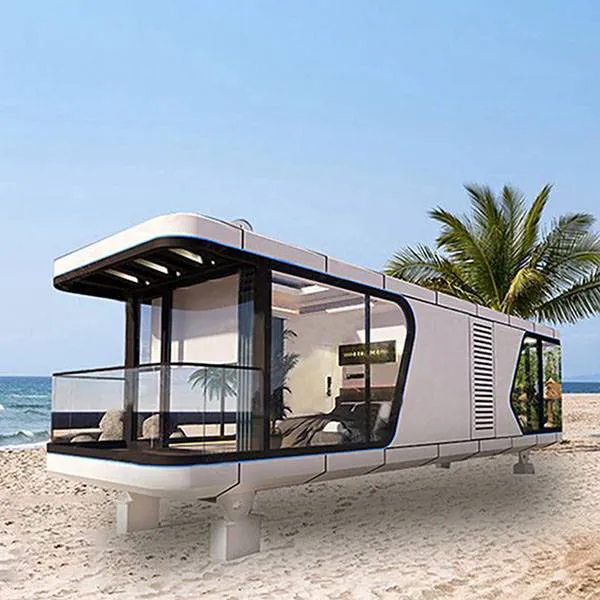
Not all capsule houses are built to the same standard, and the differences are usually hidden inside the wall cavity. Focus your due diligence on these areas.
Ask what grade of steel is used, how the frame is protected against corrosion, and how panel joints are sealed. A frame that is properly galvanised and powder-coated will hold up far better in coastal or humid climates.
Insulation thickness and glazing specification determine whether the unit is a genuine four-season space or a summer-only novelty. Request the exact insulation values and glass build-up in writing.
Confirm the voltage, circuit capacity, and certification standards for your destination country. If the unit ships with smart lighting, locks, or climate controls, ask which app ecosystem it uses and whether spare parts are available locally.
A capsule house needs crane access or a suitable lifting plan. Clarify who arranges the crane, who connects the utilities, and what site conditions the supplier expects. These details cause more delays than the product itself.
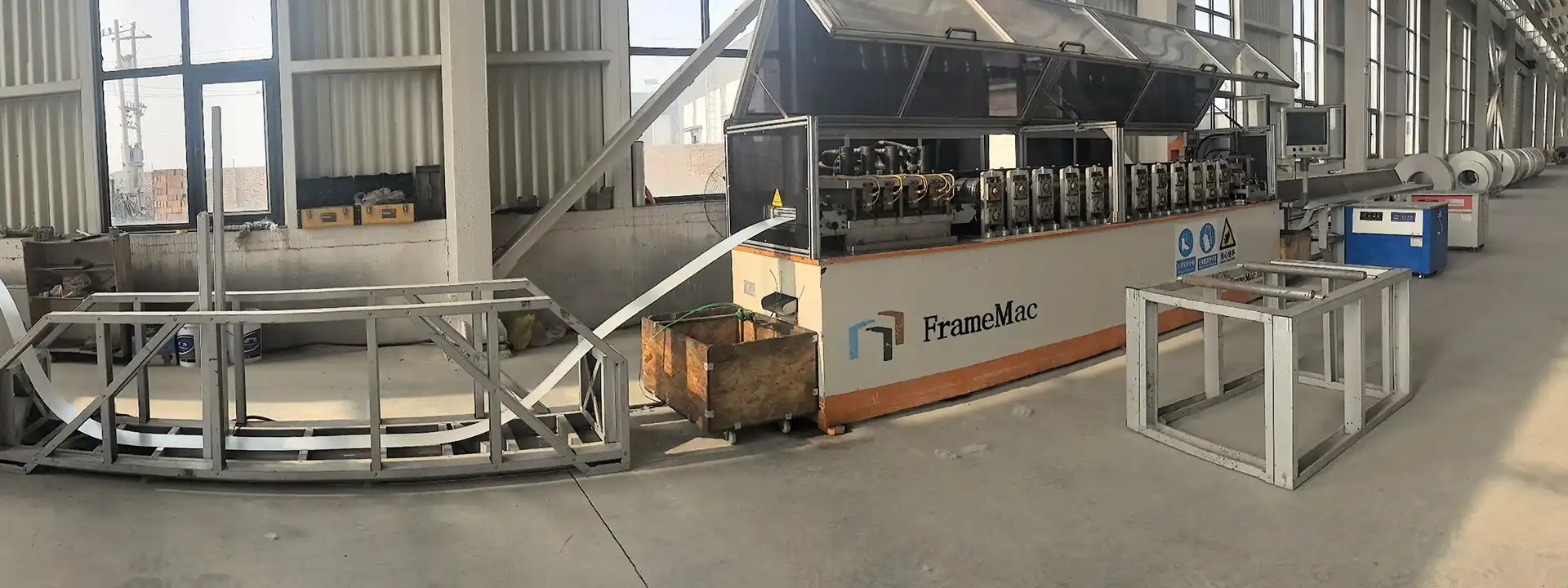
The supplier matters as much as the product. A manufacturer that controls steel fabrication in-house can adjust dimensions, finishes, and internal layouts to suit your garden, and can also supply replacement components years later. HBFRM STEEL, for example, works as a steel structure manufacturer, which means frames, cladding supports, and connection details are produced under one quality system rather than assembled from mixed sources.
When shortlisting suppliers, look for documented material specifications, factory testing records, clear warranty terms, and reference projects you can actually verify. A supplier that answers technical questions precisely is usually a supplier that builds precisely.

It depends on your location, the size of the unit, and whether it will be used as living accommodation. Some jurisdictions treat small garden structures as permitted development; others require approval once the unit includes sleeping or plumbing facilities. Check with your local planning office first.
Site preparation usually takes the longest. Once the foundation is ready, positioning a single-module capsule house and connecting utilities is typically measured in days rather than weeks.
Yes, provided it is specified with adequate insulation, sealed glazing, and a heating source. Buyers in cold climates should request cold-weather insulation options and confirm the glazing's thermal rating.
Ongoing maintenance is generally light. Periodic cleaning of the cladding and glazing, plus occasional inspection of seals and fittings, covers most of it. The absence of timber means no rot treatment, painting cycles, or pest control.
Buying a space capsule house for your garden is a decision about how you want to use your land. If you need flexible, year-round space that arrives finished and installs quickly, a capsule house delivers value that a shed or a DIY cabin cannot match. If your priority is the lowest possible cost for simple storage, a conventional garden building will still win. For most buyers considering a studio, guest space, or rental unit, the deciding factors are insulation quality, frame construction, and the competence of the manufacturer behind it. Get those three right, and the garden becomes the most valuable square metres on the property.
Contact Now