Time: 2026-09-21 01:37:03
Building along coastlines presents unique structural challenges: salt-laden air, high humidity, strong winds, and corrosive environments demand materials that can withstand decades of harsh exposure. While traditional wood framing has long been used, many builders and engineers now strongly recommend light steel frames for coastal projects. This shift is driven by steel's superior durability, resistance to moisture and pests, and ability to maintain structural integrity under extreme weather. In this article, we explore why light steel framing—particularly from trusted suppliers like HBFRM STEEL—has become the preferred choice for coastal construction, and how it addresses the specific risks that plague seaside buildings.
Wood has been a staple of residential construction for centuries, but coastal environments accelerate its degradation. High humidity causes wood to absorb moisture, leading to swelling, warping, and eventual rot. Salt spray not only corrodes fasteners but also penetrates wood fibers, reducing strength over time. Moreover, coastal regions often have high termite and carpenter ant activity, and wood provides an ideal food source. These problems result in costly repairs, shortened building lifespan, and potential safety hazards.
In contrast, light steel frames eliminate all these vulnerabilities. Steel does not rot, does not feed insects, and does not warp with humidity changes. When properly coated, it resists salt corrosion effectively.
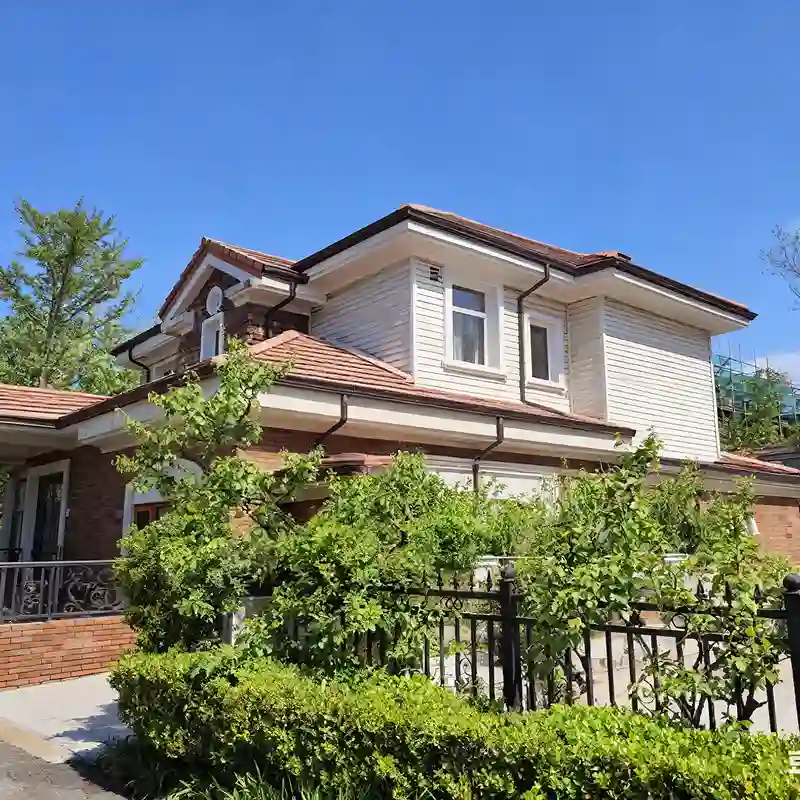
Builders recommend light steel framing for several evidence-based reasons that directly counter the challenges of coastal construction. Below are the primary advantages.
High-quality light steel frames, such as those supplied by HBFRM STEEL, are manufactured from zinc-coated (galvanized) steel. The zinc layer acts as a sacrificial barrier, protecting the underlying steel even if scratched. In coastal salt spray tests, galvanized steel lasts 3–5 times longer than untreated steel. This makes it ideal for seaside homes, beachfront resorts, and commercial buildings within a mile of the coast.
Coastal areas are prone to hurricanes and severe storms. Light steel frames have a high strength-to-weight ratio, allowing them to withstand uplift forces better than wood. Steel connections can be engineered to resist lateral loads without cracking or splitting. When combined with proper bracing, a light steel structure can survive Category 4–5 hurricane winds that would tear apart a wood-frame building.
Unlike wood, which expands and contracts with moisture changes, steel maintains its shape and size. This stability means doors and windows remain square, drywall does not crack from frame movement, and insulation stays in place. Builders using HBFRM STEEL frames report fewer callbacks for warping or nail pops during the first year after construction.
Many coastal towns have strict fire codes due to proximity to vegetation or high-density housing. Steel is non-combustible and will not contribute to fire spread. This can lower insurance premiums and provide peace of mind for homeowners.
While the upfront cost of light steel framing is often 10–15% higher than wood framing in coastal areas, the total cost of ownership tells a different story. A table summarizing typical lifecycle costs helps illustrate the value.
| Factor | Wood Framing | Light Steel (HBFRM STEEL) |
|---|---|---|
| Initial material cost | Lower | Higher by ~12% |
| Labor cost | Moderate (skilled carpenters) | Moderate (requires metal cutting tools) |
| Maintenance over 30 years | High (repainting, termite treatment, rot repairs) | Minimal (no treatment needed) |
| Insurance premium (coastal zone) | Higher due to fire/storm risk | Lower by 15–25% |
| Resale value | May depreciate if defects appear | Stable; buyers prefer durable construction |
| Lifespan in coastal environment | 30–40 years with heavy maintenance | 60+ years with no structural degradation |
When factoring in reduced maintenance, lower insurance, and longer lifespan, light steel frames are more economical over the building's lifetime. Builders who recommend steel to clients are often prioritizing long-term value over short-term savings.
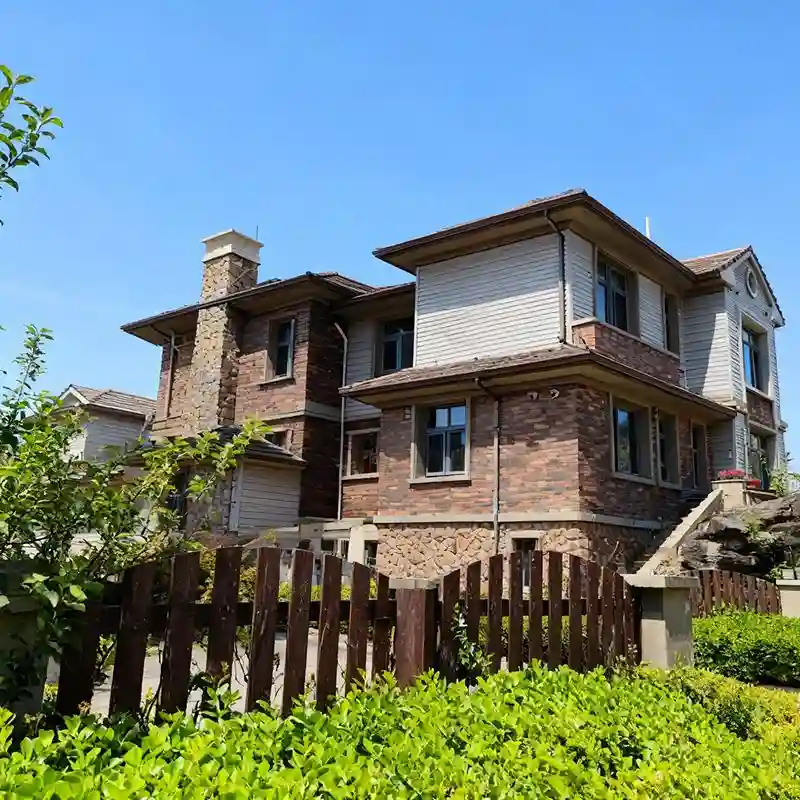
Switching to light steel framing requires some adaptation, but the learning curve is manageable. Key considerations include:
Suppliers like HBFRM STEEL provide pre-cut panels and detailed engineering drawings, reducing on-site errors and accelerating construction timelines. Many builders report that steel frames can be erected 20–30% faster once the crew is trained, thanks to precise factory tolerances and fewer material defects.
After evaluating environmental resistance, structural performance, and lifecycle costs, the recommendation is clear: for coastal areas, light steel frames are the superior choice. They eliminate rot, pests, and corrosion issues that plague wood, while offering unmatched wind resistance and dimensional stability. Builders who partner with reputable manufacturers like HBFRM STEEL gain access to quality-assured materials, technical support, and customizable solutions that meet the strictest coastal building standards.
If you are planning a coastal project—whether a residential beach house, a commercial marina building, or a resort—consider specifying light steel framing. It is an investment in durability, safety, and long-term savings that will protect your structure against the ocean's relentless forces for decades to come.
A: The material cost is typically 10–15% higher upfront, but the total cost of ownership is lower due to reduced maintenance, insurance savings, and longer lifespan.
A: Yes. Properly designed and braced light steel frames can resist winds up to 170 mph, meeting or exceeding the most stringent hurricane codes.
A: Standard galvanized steel (e.g., G60 or G90 coating) is highly resistant to salt corrosion. For extreme coastal exposure, additional coatings or stainless steel components are available from suppliers like HBFRM STEEL.
A: Steel is non-combustible and does not contribute to fire spread. This can lower insurance premiums and meet stricter fire codes common in coastal communities.
Contact Now