Time: 2026-06-29 01:37:14
The pursuit of net-zero energy buildings represents a pivotal shift in modern construction, merging environmental responsibility with long-term operational savings. Light steel houses have emerged as a highly effective structural system to achieve this ambitious goal, offering inherent advantages in durability, recyclability, and design precision. By integrating superior insulation, airtight construction, and renewable energy systems, these homes can generate as much energy as they consume over a year. For homeowners and developers seeking a future-proof investment, understanding how light steel frames enable net-zero performance is essential. This article examines the core principles, technical strategies, and real-world benefits of combining light steel technology with net-zero energy design.
A net-zero energy house annually produces at least as much energy as it consumes on site, typically through a combination of extreme energy efficiency and on-site renewable generation. The first priority is reducing the building’s energy load through a high-performance envelope—continuous insulation, triple glazing, and airtight construction. The balance of energy demand is then met with photovoltaic panels, solar thermal systems, or small wind turbines. Achieving net-zero requires meticulous design to minimize thermal bridging and maximize renewable harvesting. Light steel framing, with its dimensional stability and compatibility with advanced insulation materials, provides an ideal substrate for this demanding performance standard.
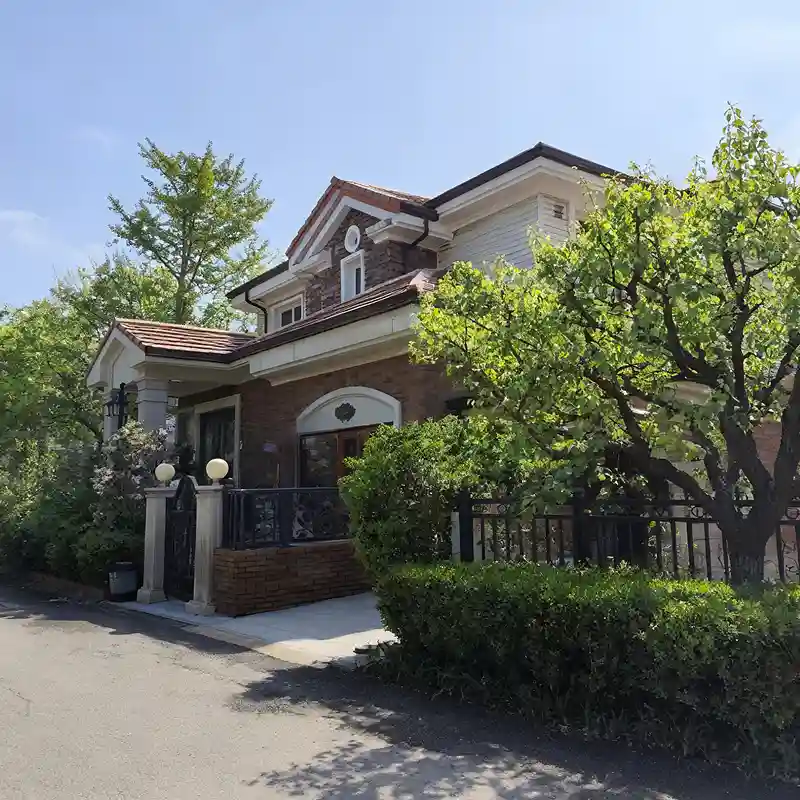
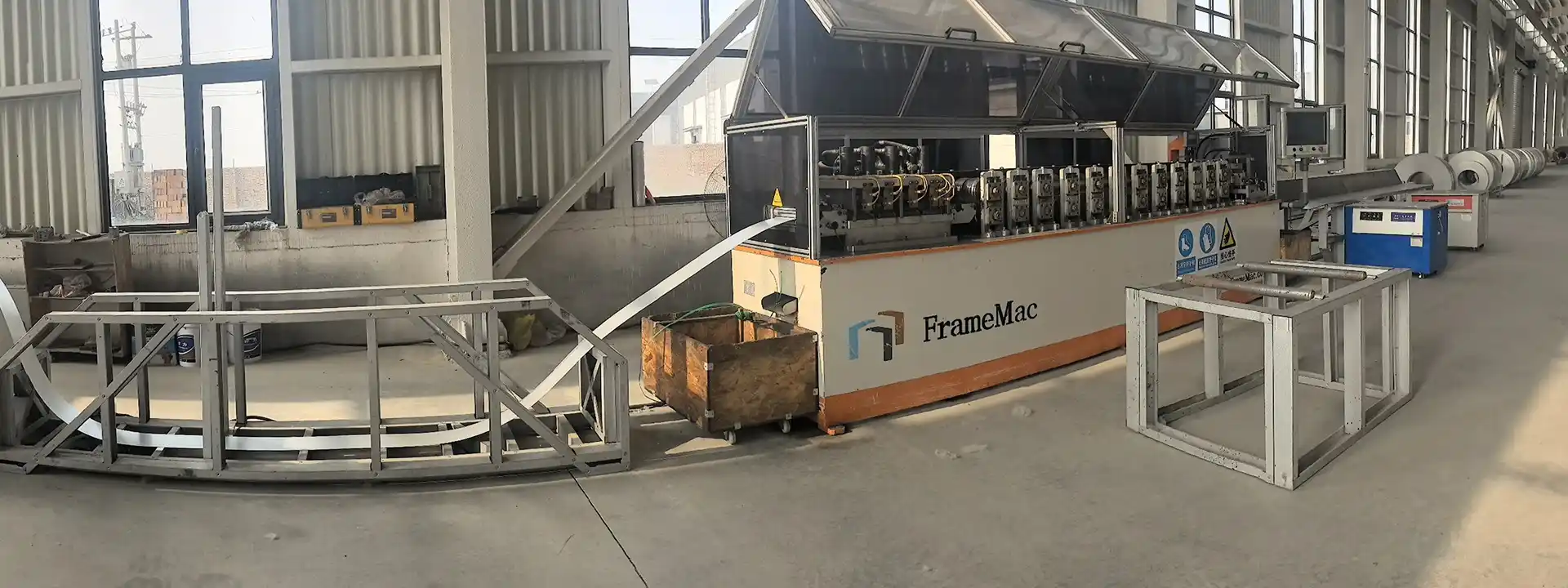
Light steel frames, also known as cold-formed steel (CFS) structures, offer distinct advantages that align with net-zero goals. Unlike wood, steel is non-combustible, resistant to rot and pests, and does not warp or shrink over time, ensuring the building envelope remains tight for the lifespan of the home. Steel is also 100% recyclable without degradation, making it a circular material choice. From a construction standpoint, CFS components are factory-engineered to tight tolerances, reducing on-site waste and enabling rapid assembly. These qualities directly support the high precision required for an effective net-zero building envelope.
The structural integrity of light steel frames ensures that insulation and air barriers remain undisturbed over decades. Wood framing can settle or twist, potentially creating gaps that compromise airtightness and thermal performance. Steel maintains its shape, preserving the building’s energy efficiency for years. Manufacturers like HBFRM STEEL provide galvanized steel profiles with corrosion resistance, further extending service life in diverse climates.
Light steel sections allow for longer spans and open floor plans, giving architects freedom to orient rooms for passive solar gain. The roof structure can be easily engineered to support the weight of photovoltaic panels without additional reinforcement. Moreover, steel framing facilitates the installation of continuous exterior insulation without thermal bridging, a critical factor for net-zero performance.
To transform a light steel structure into a net-zero home, specific technical measures must be implemented. The following strategies are commonly employed in high-performance projects.
Steel is a thermal conductor, so direct bridging can reduce insulation effectiveness. Using insulated panels, external insulation wraps, or thermal break clips eliminates this issue. A typical approach involves installing continuous rigid insulation on the exterior of the steel studs, combined with closed-cell spray foam or mineral wool within the cavities. This assembly can achieve R-values above 40 while maintaining a vapor-permeable profile for moisture management.
Net-zero buildings require exceptionally low air leakage rates (often below 0.6 ACH50). Light steel framing can be paired with airtight membranes and tapes applied to the sheathing and interior gypsum board. Steel’s dimensional stability reduces the risk of membrane damage over time. Proper ventilation with heat recovery ventilation (HRV) maintains indoor air quality without energy loss.
The roof of a light steel house can be designed with a specific pitch and orientation to optimize solar capture. Steel purlins and rafters allow easy attachment of racking systems for photovoltaics. In many net-zero designs, a roof-integrated solar panel system supplies 100% of the annual electricity demand, often with battery storage for night-time use.
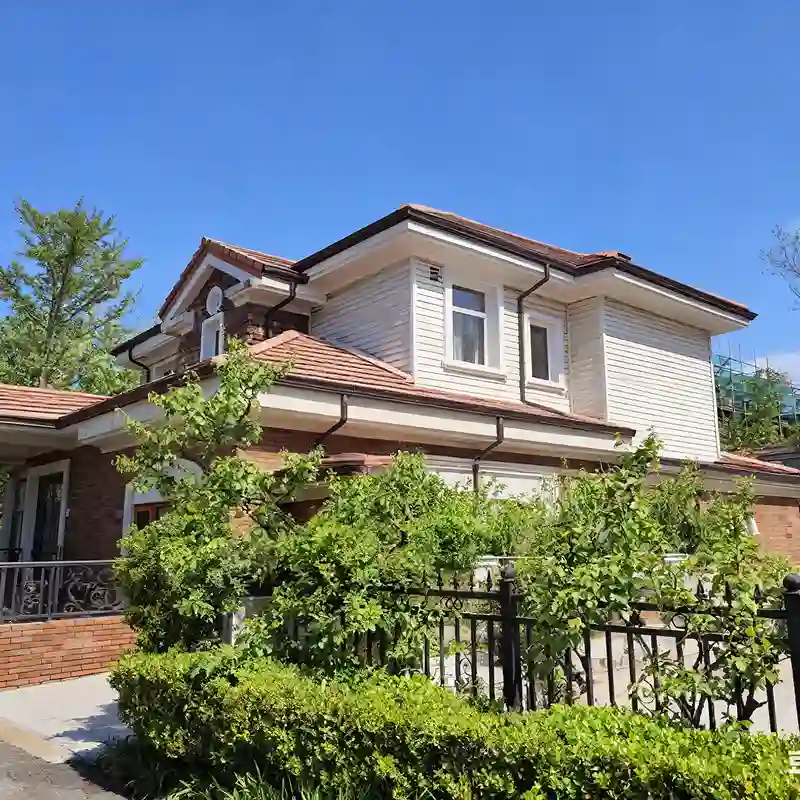
When evaluating net-zero potential, light steel framing outperforms conventional wood in several key aspects. The table below highlights the primary differences.
For net-zero homes, the long-term reliability of steel’s airtight and insulating performance makes it a preferred choice for builders committed to energy excellence.
As a leader in light steel construction, HBFRM STEEL provides comprehensive solutions for achieving net-zero energy homes. The company offers precision-engineered CFS framing systems designed specifically for high-performance envelopes, including pre-cut studs, tracks, and connectors with integrated thermal break clips. Their engineering team collaborates with architects to optimize panel layouts for maximum insulation and minimal waste. Products are manufactured from high-strength galvanized steel with up to 70% recycled content, and the entire system is fully recyclable at end of life. By choosing HBFRM STEEL, builders gain access to technical support for airtightness detailing, insulation coordination, and renewable system integration, ensuring the net-zero target is met consistently.
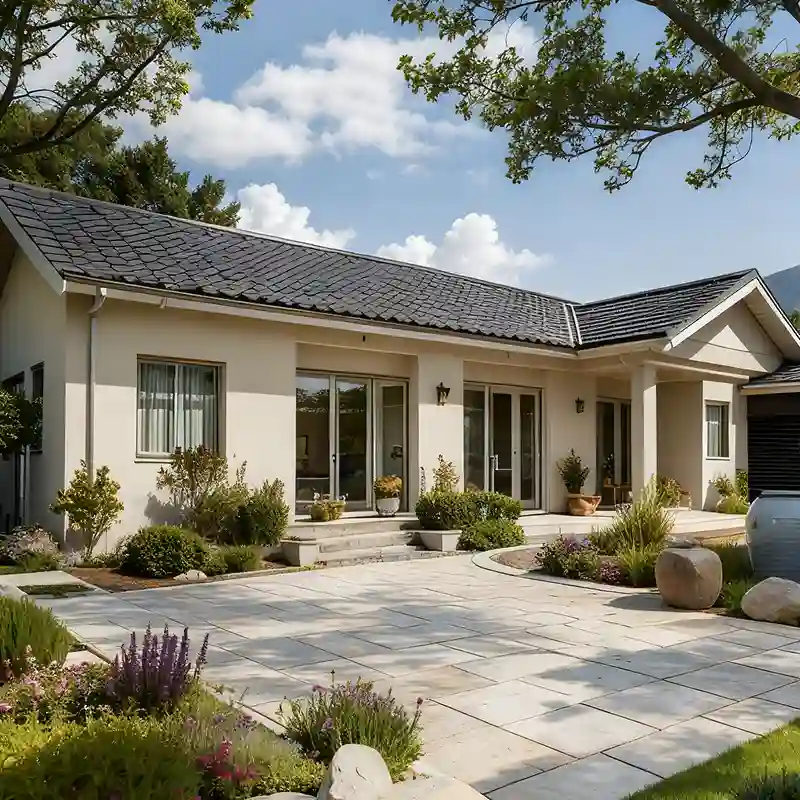
Light steel houses with net-zero energy are not just a niche concept but a practical, scalable solution for sustainable residential construction. The combination of steel’s durability, recyclability, and design precision—paired with advanced insulation and renewable energy systems—creates a home that performs better, lasts longer, and has minimal environmental impact. As building codes tighten and energy costs rise, the value of a net-zero light steel home becomes increasingly clear. For developers and homeowners ready to embrace the next generation of eco-friendly living, working with an experienced partner like HBFRM STEEL ensures the highest standards are met from foundation to roof.
Contact Now