Time: 2026-07-06 01:37:31
Choosing between light steel and timber frame construction is a pivotal decision that directly impacts both your upfront budget and lifetime expenses. While timber has been the traditional choice for decades, light steel framing is gaining traction in residential and light commercial projects. This article provides a rigorous cost comparison across material procurement, labor efficiency, structural longevity, and ongoing maintenance. We also highlight key non-cost factors that affect overall value. Whether you are a self-builder or a developer, understanding these nuances will help you make an informed, cost-effective decision for your next house construction project. HBFRM STEEL offers competitive light steel solutions that can streamline your build.
Timber remains widely available and relatively cheap per cubic meter. For a typical 200 m² home, stud-grade lumber and plywood sheathing can cost between $15,000 and $25,000 depending on local lumber prices and species (e.g., SPF vs Douglas fir). However, timber often requires larger sections to achieve equivalent load-bearing capacity compared to steel, meaning more material volume and potential waste on site.
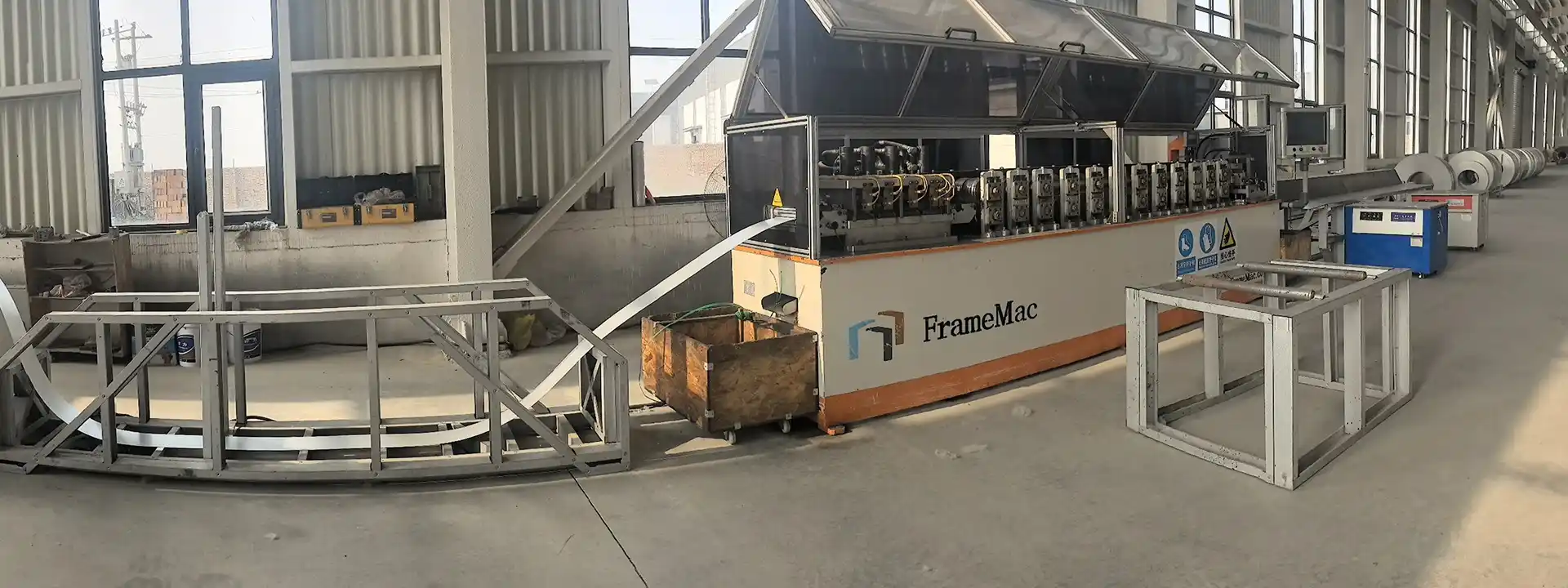
Light steel sections are fabricated off-site to precise specifications. A comparable 200 m² home using cold-formed steel typically ranges from $20,000 to $30,000 for the frame kit, including all trims and connectors. While the upfront material cost is 15–25% higher than timber, steel's higher strength-to-weight ratio allows for longer spans and thinner walls, which can reduce foundation and insulation costs. HBFRM STEEL provides pre-cut and labeled kits that minimize onsite waste and speed up assembly.

Labor is often the largest variable cost in any build. Timber frames require skilled carpenters to cut, fit, and adjust on site. A standard timber frame house can take 8–12 weeks to erect, with labor costs averaging $35–50 per hour. In contrast, light steel frames are engineered and pre-punched, allowing semi-skilled crews to bolt and screw components together using simple tools. A steel frame can often be erected in 4–6 weeks, reducing labor costs by 20–30% overall. Additionally, steel's dimensional stability reduces callbacks for warping or settling issues that plague timber.
Because light steel is lighter than timber (by about 30–40% for equivalent strength), it reduces the load on foundations. This can lead to savings on concrete and excavation—typically $2,000–$5,000 for a slab-on-grade foundation. Furthermore, steel frames accommodate thicker insulation within wall cavities (up to 200 mm vs typical timber 140 mm), improving thermal performance. Over a 25-year mortgage, the energy savings of closing thermal bridges with steel+insulation can amount to $10,000–$15,000 in reduced heating and cooling bills.
Timber is susceptible to termites, rot, mold, and moisture expansion. In humid or termite-prone regions, owners may need to budget for periodic treatments (e.g., $500–$1,000 every 5 years) and potential repairs that can cost thousands. Light steel is non-combustible, termite-proof, and dimensionally stable, requiring no ongoing chemical treatments. Insurance premiums are often 5–10% lower for steel-framed homes due to reduced fire and pest risk. Over a 30-year lifecycle, maintenance savings alone can exceed $12,000.
| Cost Category | Timber Frame | Light Steel Frame |
|---|---|---|
| Material (200 m²) | $15,000–$25,000 | $20,000–$30,000 |
| Labor | $18,000–$28,000 | $12,000–$20,000 |
| Foundation savings | $0 | -$2,000 to -$5,000 |
| Energy savings (30 yrs) | $0 | -$10,000 to -$15,000 |
| Maintenance (30 yrs) | $5,000–$15,000 | $500–$2,000 |
| Total life-cycle cost (approx.) | $38,000–$68,000 | $20,500–$32,000 |
Initial material cost is higher, but when factoring in labor speed, lower foundation costs, and long-term savings, steel often comes out ahead in total cost of ownership.
Absolutely. HBFRM STEEL specializes in light-gauge steel framing for residential and light commercial projects, providing ready-to-assemble kits with full engineering support.
In markets where termites and fire are concerns, steel-framed homes often have a small premium. The higher upfront cost is offset by lower insurance and maintenance, which buyers appreciate.
For most residential projects, light steel framing offers a lower life-cycle cost compared to timber, despite a higher initial material outlay. The savings come from faster erection, reduced foundation requirements, superior energy performance, and minimal maintenance. Timber remains a viable choice for small projects or when sustainability certification (e.g., FSC) is a priority. However, if you value precision, durability, and long-term economy, consider engaging HBFRM STEEL for a bespoke light steel frame quote. Evaluate your local labor rates, climate, and insurance environment to confirm the numbers for your specific situation.
Contact Now