Time: 2026-01-15 01:50:41
But before stepping into the world of small-scale living, one question stands out: How much does it truly cost to build a space capsule house?
Below is a detailed breakdown to help you understand the cost structure, key influencing factors, and what to expect when planning such a project.
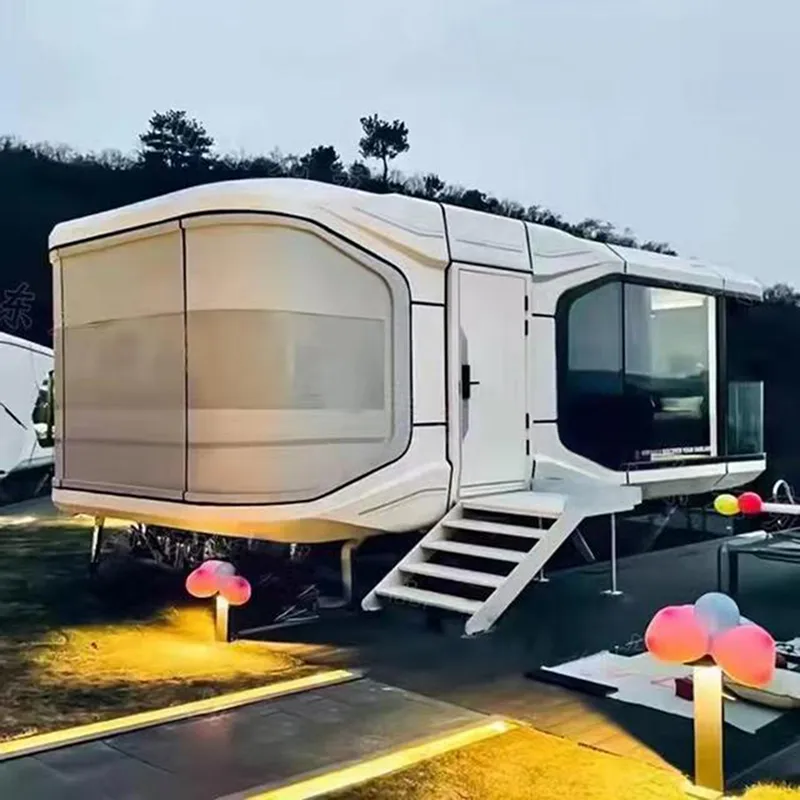
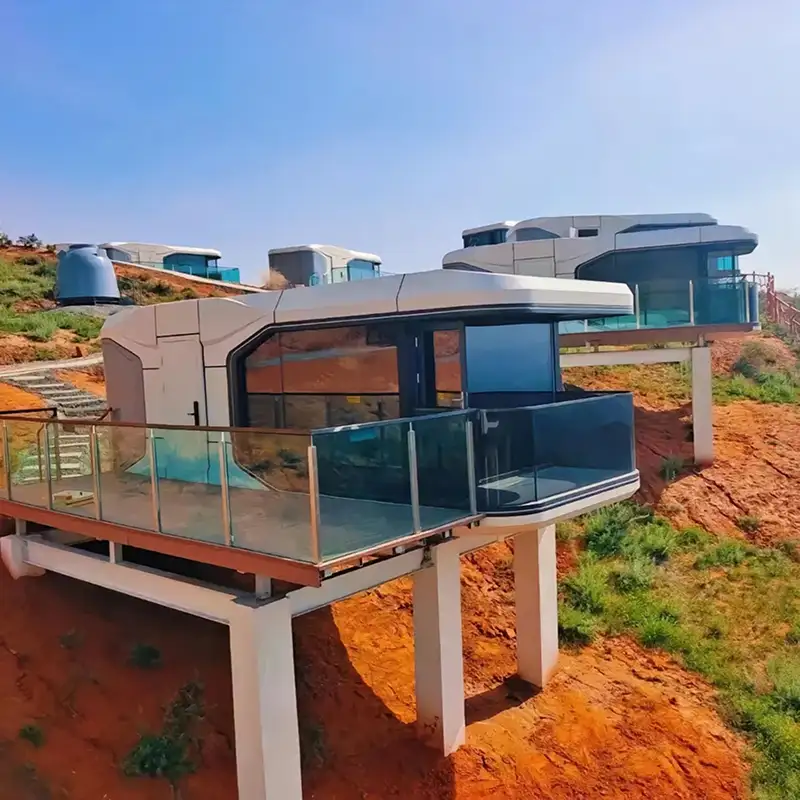
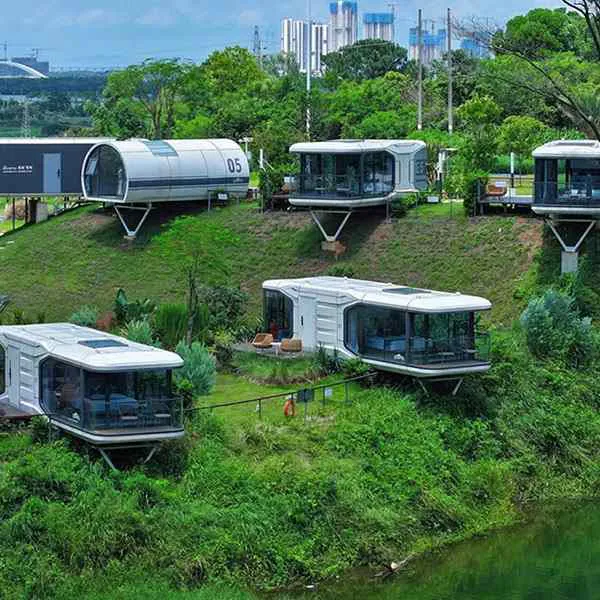
A space capsule house is a compact prefabricated living module, designed to maximize function within a minimal footprint.
Unlike traditional homes, which emphasize spaciousness, space capsule houses prioritize efficient layout design, smart storage, and streamlined construction.
These units often come pre-built or semi-assembled, allowing them to be transported and installed in a few days. Their simplified structure means lower material consumption, faster construction timelines, and significantly reduced overall costs.
1. Size and Layout
Space capsule houses typically measure between 10 and 30 square meters.
While the structure is small, slight variations in layout can make a noticeable difference in cost.
Single-room sleeping capsule: Least expensive option
Living + sleeping combo: Moderate cost
Full micro-apartment with bathroom and kitchenette: Highest cost
More compartments require more materials, more wiring, and more labor—ultimately raising the total price.
2. Materials and Build Quality
Material selection is one of the biggest cost variables. The durability, insulation, and appearance of your capsule will all depend on what you choose.
Common building materials include:
Lightweight steel frames – strong, anti-corrosive
Reinforced concrete panels – long-lasting but heavier
Composite or eco-friendly panels – good insulation, sustainable
Aluminum finishes – modern look, weather resistant
Upgrades such as double-layer insulated panels, premium flooring, built-in furniture, or smart home devices can significantly increase the overall investment–but they also improve longevity and comfort.
3. Construction Method: Prefabricated vs. On-Site
Most capsule houses are prefabricated, meaning the main structural components are manufactured in a factory and delivered ready to install.
This method generally offers:
Lower labor costs
More predictable budgeting
Faster completion time
Higher consistency and quality control
However, companies may require upfront investment for mold development or customized production lines.
On-site construction is more flexible and personalized but tends to be more expensive, especially in major cities where labor and logistics costs are high.
4. Location, Regulations & Compliance
Location impacts costs in several ways:
Local construction and installation labor rates
Building permits and inspection fees
Land preparation or foundation work
Zoning restrictions for modular units
Some regions are more supportive of micro-housing developments, even offering incentive programs for sustainable or space-efficient housing projects.
5. Utilities, Interior Design & Amenities
Even if the space is small, you still need basic living functions. Costs rise with the inclusion of:
Full bathroom (shower, toilet, water heater)
Mini kitchen or kitchenette
Electrical wiring & LED lighting
HVAC or air-conditioning units
Water filtration systems
Storage and customized furniture
A simple sleeping pod may require only basic lighting and ventilation, while a fully equipped capsule house functions like a miniature apartment.
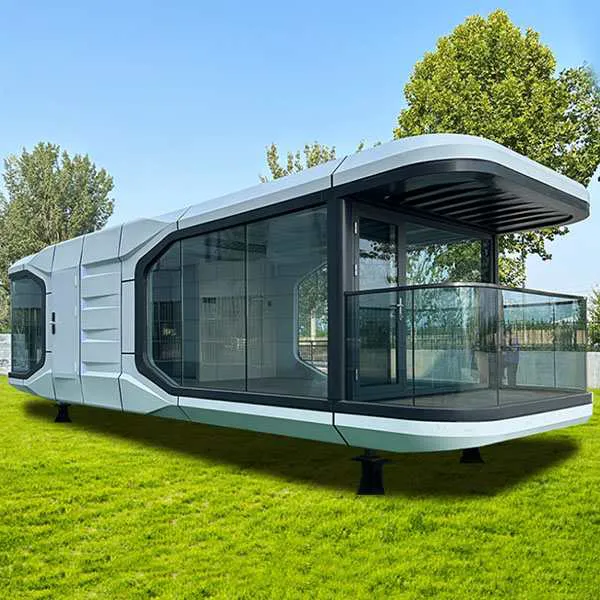
Below is a more detailed reference range based on current market conditions:
1. Basic Space Capsule House — $5,000 to $10,000
Ideal for:
Hostels and dormitories
Worker accommodation
Temporary housing
Camping or tourism facilities
Features usually include:
Standard steel or composite structure
Basic interior panels
Simple ventilation and electrical system
2. Mid-Range Space Capsule House — $10,000 to $20,000
Most popular choice for personal living or rental projects.
Includes upgrades such as:
Improved insulation
Small bathroom with essential fixtures
Kitchenette or built-in cabinets
Better flooring and wall finishes
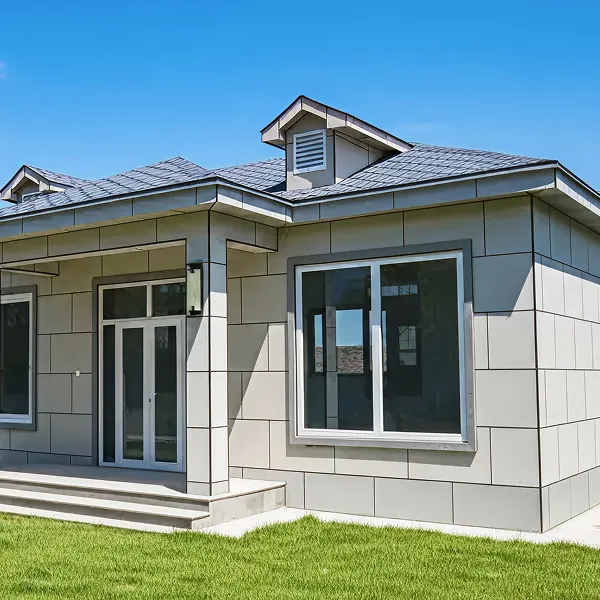
Optional exterior cladding
3. High-End Space Capsule House — $20,000 to $40,000+
High-performance capsules with premium features.
Typical characteristics:
Smart home systems
Customized layouts
Luxury materials or designer finishes
Solar energy systems
Full bathroom + full-function kitchenette
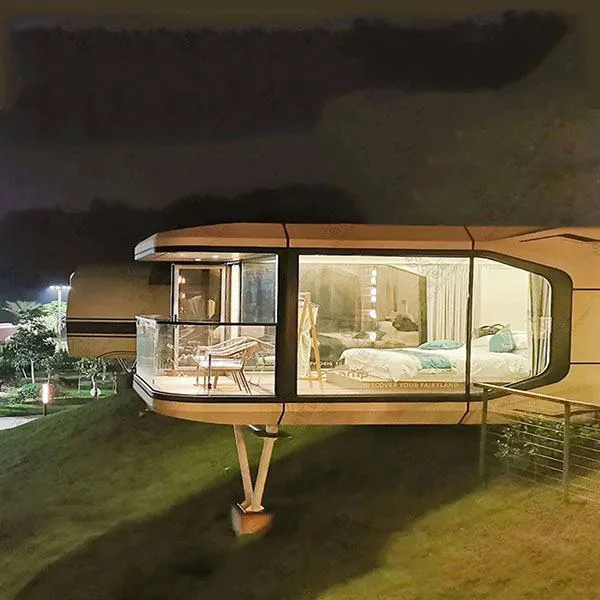
These capsules are often used for boutique homestays, luxury glamping, or creative studios.
Maintenance and Upkeep
Routine cleaning is easy due to small size, but advanced systems like smart panels or HVAC may require professional servicing.
Transportation and Installation
Delivery fees vary by distance and local logistics. Crane lifting or foundation preparation may also add to the cost.
Resale or Rental Potential
Capsule houses attract a niche market. While they are cost-efficient, resale value depends on local demand and the condition of the unit.
Environmental and Sustainability Benefits
Using recycled steel, energy-efficient insulation, or modular panels can lower the carbon footprint. Some regions offer tax breaks for eco-friendly designs.
For many, the answer is yes. Space capsule houses offer an appealing mix of affordability, mobility, and design flexibility. Whether you're considering one for personal living, tourism projects, worker housing, or urban development initiatives, the total investment remains far lower than traditional small apartments.
With thoughtful planning—especially regarding materials, utilities, and regulations—you can build a comfortable micro-home that fits both your budget and lifestyle.
As urban land prices continue to rise, space capsule houses provide a practical, modern alternative for those seeking efficient and sustainable living solutions.