Time: 2026-08-17 01:37:36
When considering a new home, fire resistance and long-term durability are non-negotiable. Light steel construction has emerged as a leading solution that meets both demands, offering structural integrity that outperforms traditional materials. This article explains the core principles behind fire-resistant and durable light steel homes, helping you make an informed decision for your next project. HBFRM STEEL brings years of expertise to this innovative building method, ensuring safety and longevity without compromising design flexibility.
Fire remains one of the most devastating risks for homeowners. Building codes increasingly require materials that can withstand high temperatures and slow flame spread. Light steel framing, unlike wood, is non-combustible because steel does not ignite or contribute fuel to a fire. The steel frame itself maintains its structural integrity at temperatures up to 1000°F (538°C) when properly protected, buying precious time for occupants to evacuate and for firefighters to respond.
Light steel homes typically achieve fire ratings of 1 to 2 hours depending on the assembly. Key factors include:
HBFRM STEEL ensures that all components meet or exceed ASTM E119 standards for fire resistance, giving homeowners peace of mind.
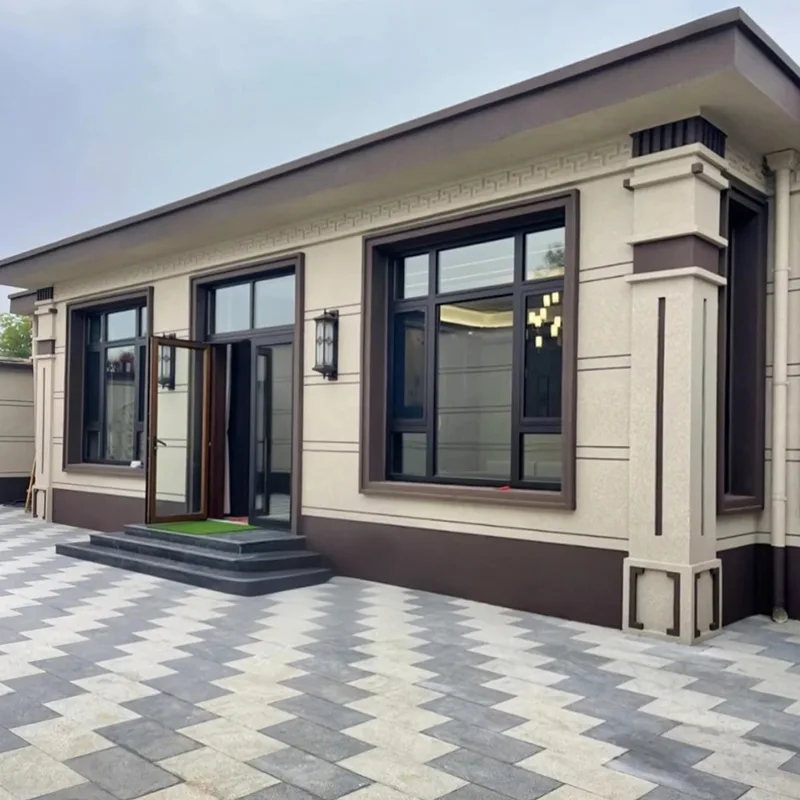
Durability in a home means resisting moisture, pests, corrosion, and structural fatigue over decades. Light steel excels in all these areas. Unlike wood, steel does not warp, rot, or attract termites. The zinc coating (galvanization) applied to steel members provides excellent corrosion resistance, even in humid or coastal environments. Proper design and detailing by experts like HBFRM STEEL eliminate thermal bridging and condensation risks.
To understand the full value of light steel homes, it helps to see how they stack up against conventional wood and concrete block construction. Below is a comparison of critical factors.
| Factor | Light Steel (HBFRM STEEL) | Wood Frame | Concrete Block |
|---|---|---|---|
| Fire Resistance | Excellent – non-combustible, achieves 1–2 hour rating | Poor – burns readily | Good – block does not burn, but reinforcing steel can weaken |
| Durability | Very high – resists rot, pests, corrosion | Moderate – susceptible to moisture, termites | High – but prone to cracking and moisture penetration |
| Construction Speed | Fast – prefabricated components, assembly in days | Moderate – on-site framing, subject to weather delays | Slow – requires curing time for mortar |
| Design Flexibility | Excellent – long spans, curved walls, large openings | Moderate – limited by wood lengths and load-bearing | Limited – block wall openings require lintels |
| Environmental Impact | Low – steel is 100% recyclable, minimal waste | Moderate – wood is renewable but often causes deforestation | High – cement production is energy-intensive |
As the table shows, light steel offers a balanced blend of safety, longevity, and efficiency that often outperforms both wood and concrete.

Not all light steel homes are created equal. The expertise of the manufacturer and builder is critical. HBFRM STEEL uses high-strength G550 zinc-aluminum alloy coated steel, precision roll-formed to tolerances within 0.5 mm. Every component is designed using advanced structural analysis software to meet local building codes and fire safety standards.
Choosing HBFRM STEEL means partnering with a company that prioritizes safety and durability from design to completion.
If you value fire resistance, longevity, and low maintenance, a light steel home is a smart investment. The initial cost is competitive with wood framing, but the long-term savings from reduced insurance premiums, repair costs, and energy efficiency make it financially attractive. For regions prone to wildfires, hurricanes, or termites, light steel is especially compelling.
To explore options tailored to your needs, consult with HBFRM STEEL’s team of experts. They can provide specific designs, fire-rating reports, and cost estimates for your project. A durable, fire-resistant home is not just a structure—it is peace of mind that lasts for generations.
Contact Now