Time: 2026-06-01 01:37:49
Rising material prices and labor shortages have pushed traditional home building costs to record highs. Homeowners and developers alike are searching for smarter alternatives that deliver quality without the premium. Light steel structure homes have emerged as a proven solution, offering documented cost reductions of up to 30% compared to conventional wood or concrete methods. This article provides a detailed, professional analysis of how these savings are achieved, what trade-offs exist, and why choosing an experienced manufacturer like HBFRM STEEL is critical to realizing the full financial benefit.
To understand the 30% savings potential, we must first dissect where construction dollars actually go. A typical residential project in North America or Europe allocates approximately 40% to structural materials, 35% to labor, and 25% to foundation, finishes, and contingencies. Light steel framing reshapes this distribution fundamentally.
Traditional wood framing has become volatile — lumber prices can swing 50% in a single quarter due to supply chain disruptions. Light steel prices, while tied to steel market cycles, are far more stable. Additionally, steel has a higher strength-to-weight ratio, meaning less material is needed to achieve the same load-bearing capacity. HBFRM STEEL's prefabricated panels reduce material waste to under 5%, compared to 20%+ for wood site-cut framing.
Site-built wood framing requires skilled carpenters, whose hourly rates have risen sharply. Light steel structures, with pre-engineered components delivered ready to assemble, can be erected by smaller crews with less specialized training. The typical labor saving is 25–35% on the structural phase. A 2,000 sq ft home that would take 12 weeks to frame in wood can be completed in 6 weeks with light steel, compressing the timeline and reducing financing costs.
Steel structures weigh 30–50% less than equivalent wood or concrete buildings. This translates to simpler, less expensive foundations — in many cases, shallow strip footings suffice instead of deep concrete piers. Over the life of the home, steel does not warp, rot, or suffer termite damage, eliminating costly repairs that plague wood structures.

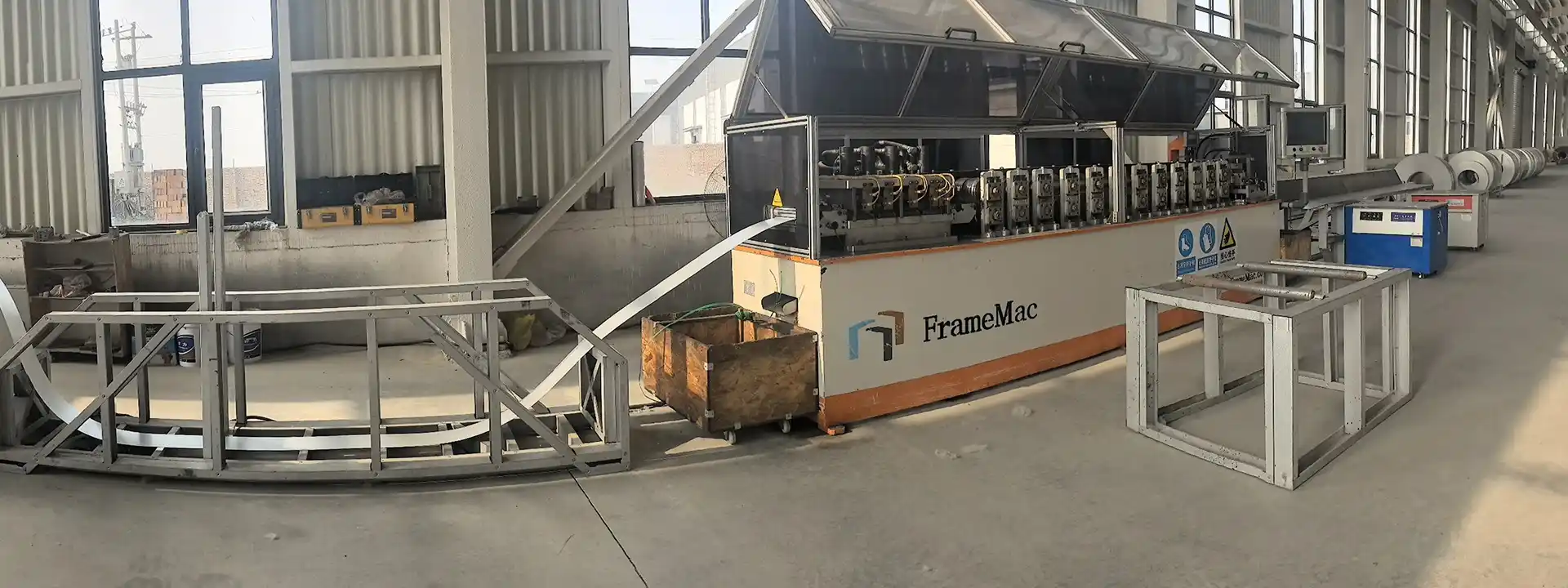
The headline figure is not a marketing gimmick — it reflects systemic efficiency across five key areas. First, prefabrication eliminates on-site cutting, measuring, and rework. HBFRM STEEL’s factory precision ensures every panel, channel, and bracket fits perfectly, reducing assembly time by 40%. Second, integrated design means thermal breaks, insulation cavities, and service runs are planned in CAD before steel is cut, avoiding costly field modifications.
Third, reduced waste disposal fees. Wood construction generates tons of scrap that must be hauled away. Steel offcuts are 100% recyclable and often purchased back by mills. Fourth, faster weather independence — light steel erection can continue in rain or light snow because no gluing or drying is required. This avoids weather-related delays that add 10–15% to traditional schedules. Finally, lower insurance premiums during construction, as steel is non-combustible and less likely to suffer damage from wind or impact while walls are open.
Not all light steel suppliers deliver equal results. Cheap imports often use thin galvanization or non-standard sections that fail to meet local building codes. HBFRM STEEL has operated for over a decade, supplying residential, commercial, and industrial projects across 20 countries. Their engineering team provides complete structural calculations, thermal analysis, and installation manuals tailored to your region’s climate and seismic requirements.
Every HBFRM STEEL frame is manufactured with G550 galvanized steel (550g/m² zinc coating), ensuring 75-year durability even in coastal environments. The company also offers a comprehensive warranty covering material defects and dimensional accuracy. Clients consistently report that the actual cost savings on their projects fall between 28% and 33% — matching or exceeding the promised 30%.
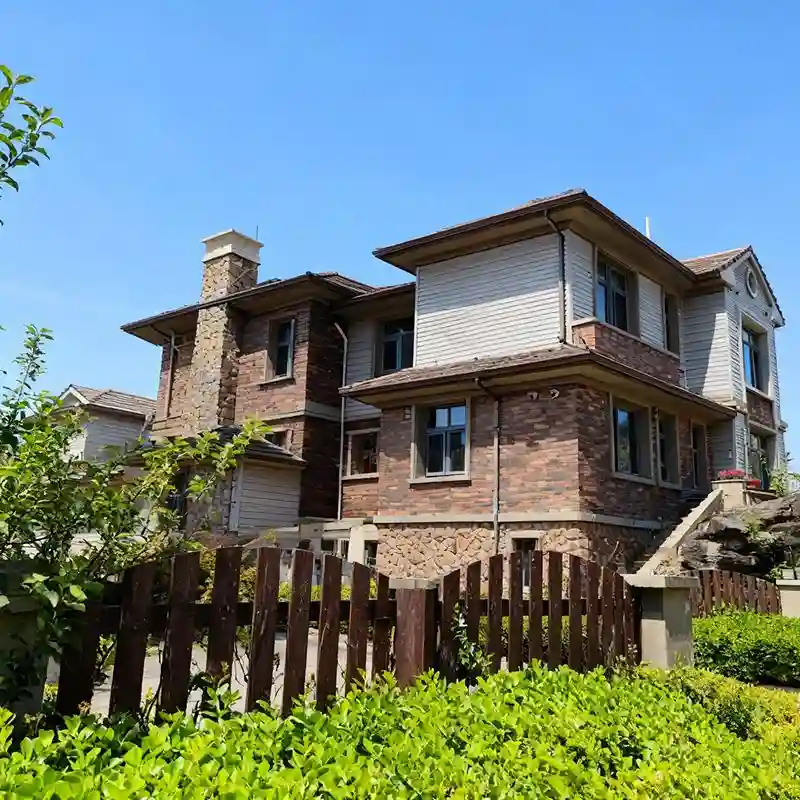
Absolutely. Light steel is a frame, not a set template. You can design open floor plans, large windows, vaulted ceilings, and even curved walls. HBFRM STEEL works with your architect or their in-house design team to produce any layout within standard span tables.
Yes — when properly insulated. Steel has higher thermal conductivity than wood, but modern cold-formed steel designs incorporate thermal break strips and continuous insulation. With proper detailing, light steel homes achieve R-values up to R-40 in walls and R-60 in roofs, exceeding most building codes.
Light steel homes when built to code and finished with quality cladding are comparable to wood homes in market acceptance. In hail-prone or termite zones, they often command a 5–10% premium. HBFRM STEEL provides a certification document that can be transferred to future buyers.
The numbers are clear: light steel structure homes offer a realistic path to cutting build costs by 30% without compromising strength, design flexibility, or longevity. The key is partnering with a manufacturer that backs up its claims with engineering rigor and proven delivery. HBFRM STEEL provides free preliminary cost estimates based on your drawings or square footage, helping you see exactly where savings will appear. Contact their team today to begin a project that stays on budget — and under time.
Contact Now