Time: 2025-10-21 06:59:48
With the booming education sector, school construction faces multiple challenges, including improving quality and efficiency, addressing environmental issues, and ensuring rapid construction. Traditional construction models face increasingly prominent challenges, including long construction times, heavy pollution, and a need for improved seismic performance. Against this backdrop, lightweight steel structures, with their unique advantages, are becoming an ideal choice for addressing these challenges and helping schools achieve educational modernization. This article will delve into the innovative applications of lightweight steel structures in school construction and propose a comprehensive set of industry solutions, aiming to provide a new approach to efficient, sustainable, and intelligent educational facility construction.
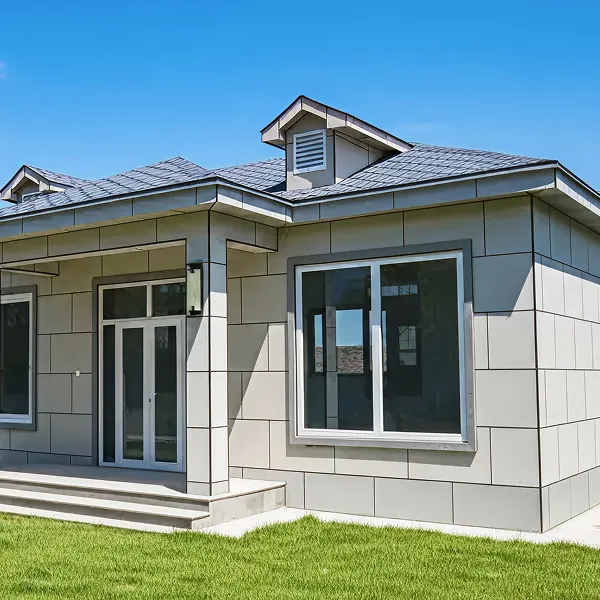
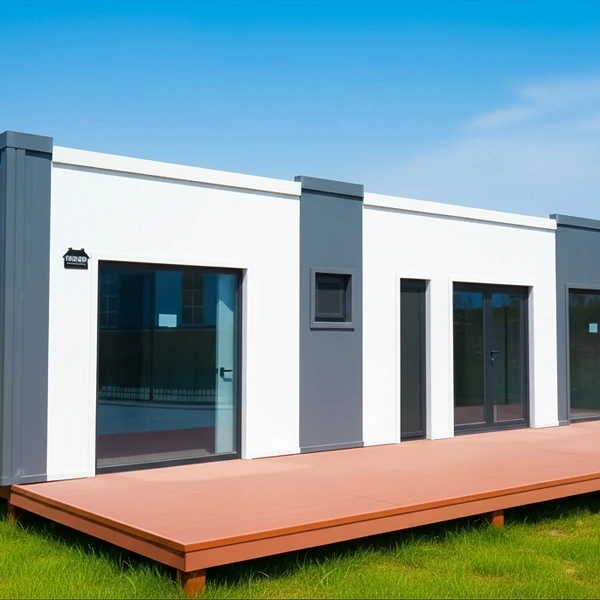
1. Short Construction Period and High Efficiency: Light steel structures are prefabricated in factories and assembled on-site, significantly shortening the construction period. Schools can complete construction during holidays, minimizing disruption to daily teaching.
2. Superior Safety: Light steel structures offer excellent seismic, wind, and load-bearing properties, ensuring that school buildings remain stable and safe in extreme environments like earthquakes and typhoons, providing teachers and students with a secure learning and living space.
3. Flexible Layout and Modern Design: Light steel structures offer high space utilization and flexible, multi-functional layouts. Whether single-story prefabricated classrooms or multi-story teaching and administrative office buildings, they can be customized to meet educational needs.
4. Energy-Saving, Environmentally Friendly, and Sustainable: Steel is 100% recyclable, ensuring dust-free construction sites. Insulated walls and energy-saving doors and windows can be incorporated to achieve low energy consumption, contributing to the development of a green campus.
Prefabricated Classrooms: Quick to construct, meeting enrollment expansion or temporary teaching needs.
Student Dormitories: Safe, comfortable, energy-efficient, and environmentally friendly accommodations.
Laboratory and Training Buildings: Stable structure, capable of supporting equipment, and flexible and adaptable spaces.
Gymnasium and Activity Center: Wide-span, column-free design meets the needs of sports and gatherings.
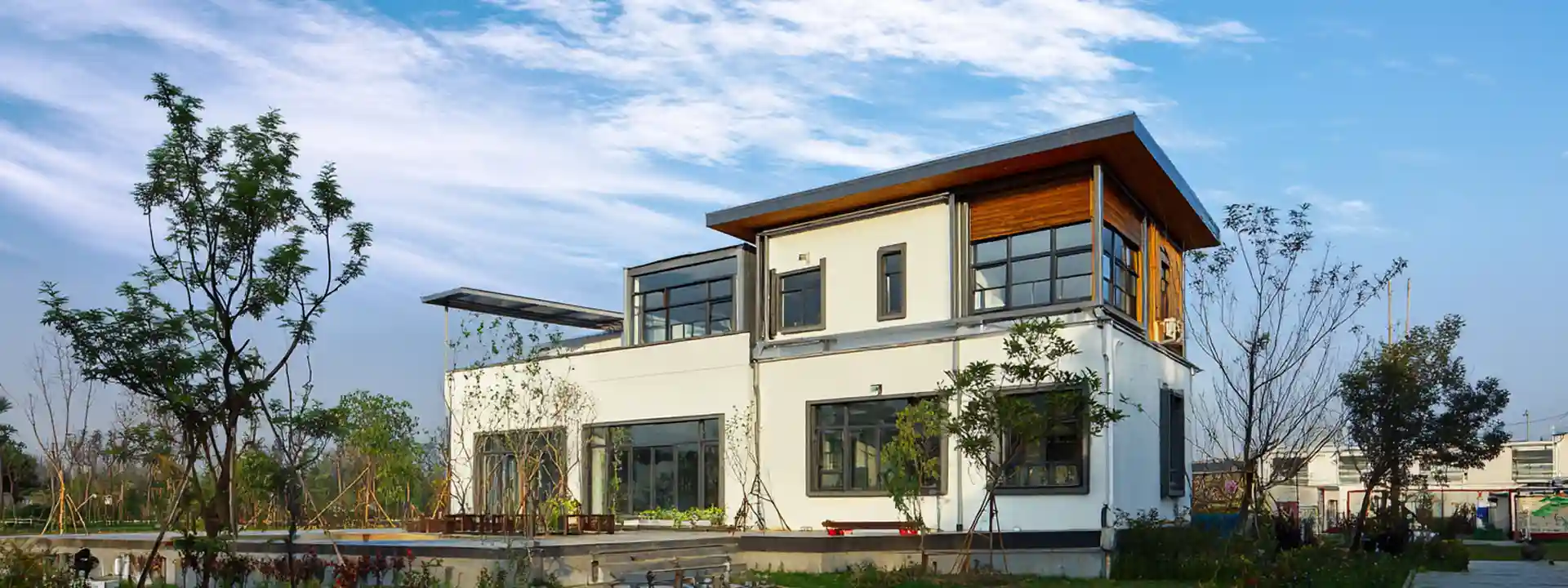
Administrative Office Buildings: Modern, aesthetically pleasing, and durable, reflecting the campus's image.
1. The Green Gene of Lightweight Steel Structures: Building a Sustainable Campus Environment
Green environmental protection is a key theme in modern social development and an integral part of educational facility construction. Lightweight steel structures, with their remarkable environmental performance, perfectly align with this philosophy.
Resource Conservation and Recycling: Lightweight steel is a renewable resource, and its production process consumes little energy and generates minimal waste.
Major structural components can be prefabricated in factories and constructed on-site using dry methods, significantly reducing construction waste and water consumption. Future school building renovations or demolition will result in a high steel recycling rate, truly achieving sustainable development throughout the building's lifecycle.
Excellent Energy Saving and Thermal Insulation: The interior of lightweight steel structure walls can be filled with high-efficiency insulation materials, which, combined with the exterior wall insulation system, significantly improves the building's thermal insulation performance. This means that the school's energy consumption for heating in winter and cooling in summer will be significantly reduced, saving the school operating costs while creating a comfortable learning and working environment for students and faculty, warm in winter and cool in summer. This has positive implications for achieving the country's "dual carbon" goals.
Reduced Environmental Pollution: Traditional construction sites involve extensive wet work, resulting in significant noise and dust pollution. Lightweight steel structures utilize prefabricated construction, eliminating on-site mixing and welding, effectively reducing dust and noise pollution on the construction site and minimizing the impact on the surrounding environment and the daily teaching and learning activities of teachers and students.
2. Efficient Construction and Flexible Design: Meeting the Diversified Needs of Schools
Another major characteristic of school buildings is their diverse functions and high demand for construction efficiency. Lightweight steel structures offer unparalleled advantages in this regard.
Fast Construction and Shortened Construction Time: Lightweight steel structures utilize a factory-prefabricated and on-site assembly model, significantly shortening the construction period. For example, the main structure of a three-story teaching building can be completed in just a few weeks. This means schools can start operations more quickly, effectively alleviating student enrollment shortages and minimizing disruption to teaching. The ability to complete projects within specific timeframes, such as during summer and winter construction periods, is a key advantage of light steel structures.
Flexible Design and Versatile Functionality: The lightweight and low deadweight of light steel structures provide greater architectural design freedom. Whether it's multi-story teaching buildings, libraries, gymnasiums, student dormitories, or specialized functional rooms like laboratories and art classrooms, light steel structures can easily handle them. The wide-span design also offers more possibilities for interior layout, allowing for the creation of large, column-free event spaces or multi-purpose halls. This modular and standardized design concept also facilitates future expansion or renovation of the school.
High Space Utilization: Compared to traditional brick-concrete structures, light steel structures have thinner walls, effectively increasing usable indoor area. For schools where land is at a premium, this means more teaching space or auxiliary rooms can be accommodated within the same footprint.
3. Safety, Reliability, and Excellent Earthquake Resistance: Protecting the Life and Property of Teachers and Students
Schools are crowded places, making building safety paramount. Lightweight steel structures, with their superior earthquake resistance and structural stability, provide a solid safety guarantee for teachers and students.
Excellent Earthquake Resistance: Lightweight steel structures are lightweight, and the steel itself possesses excellent ductility and toughness, capable of absorbing and dissipating seismic energy. During an earthquake, lightweight steel structures are less susceptible to total collapse, effectively ensuring the safety of those inside. Numerous earthquake incidents have demonstrated that lightweight steel structures perform far better than traditional structures in seismic zones, making them an ideal choice for school buildings in high-intensity earthquake zones.
Structural Stability and Durability: Lightweight steel structural components undergo rigorous anti-corrosion and rust prevention treatments, ensuring long-term structural stability and durability. A scientifically designed enclosure system also effectively resists wind and rain erosion, extending the building's service life. A school is a long-term project, so choosing a durable building structure is crucial.
4. Smart Campus Platform: The Integration of Lightweight Steel Structures and Technology
With the increasing development of smart campuses, lightweight steel structures are ideal vehicles for integrating intelligent technologies.
Integrated Intelligent Systems: The wall and roof systems of lightweight steel structures can easily integrate various intelligent sensing devices and pipeline systems, such as smart lighting, environmental monitoring, security surveillance, and smart energy management. This will provide schools with a highly intelligent and interconnected teaching and management platform.
Digital Construction and Operation and Maintenance: Incorporating BIM (Building Information Modeling) technology, lightweight steel structures enable digital management of the entire process, from design, production, construction, to operations and maintenance. This not only improves project management efficiency but also provides accurate data support for future asset management and facility maintenance.
Based on the above advantages, we propose the following industry solutions for lightweight steel structures in the school sector:
Promoting Diversified Application Scenarios:New Campuses and Expansion Projects: Lightweight steel structures are preferred for rapid construction and to meet enrollment requirements. Temporary School
Buildings and Transitional Facilities: The detachable and removable nature of light steel structures makes them ideal for emergency response or transitional use.
Specialty Buildings: Buildings such as gymnasiums, lecture halls, libraries, and art centers leverage the large spans and flexible design of light steel structures to create unique architectural landmarks.
School Dormitories and Canteens: Rapidly constructed, they provide a safe and comfortable living environment.
Building a Full Lifecycle Service System:Preliminary Consultation and Planning: We provide professional light steel structure school building design consulting services, tailoring solutions to the specific needs of each school.
Standardized and Customized Design: We offer standardized modular designs while meeting national standards, while also supporting customization to meet the unique needs of individual schools.
Lean Production and Construction: Leveraging advanced prefabrication technology and a professional construction team, we ensure component accuracy and construction quality, strictly control project costs, and achieve cost optimization.
Post-Operation and Maintenance: We provide building operation and maintenance guidance and reserve interfaces for future upgrades and renovations to ensure the continued suitability of school buildings. Strengthening Technological Innovation and Talent Cultivation:
Developing Adaptive Technologies: Continuously innovating technologies to address the specific needs of school buildings, such as acoustic design, improved fire performance, and the layout of specialized function rooms.
Promoting Industry Standards and Specifications: Participating in the formulation and improvement of design, construction, and acceptance standards for light steel structure school buildings to promote the healthy development of the industry.
Cultivating Professional Talent: Strengthening collaboration with universities and vocational schools to cultivate professionals with expertise in the design, construction, and management of light steel structures, providing intellectual support for industry development.
Light steel structures, with their numerous advantages such as environmental friendliness, efficient construction, safety, reliability, and flexibility, are reshaping the face of school architecture. They represent not only an innovation in building materials and structural forms, but also a key driver for the modernization, intelligence, and sustainable development of educational facilities. Choosing light steel structures means choosing the future of education, creating safer, more comfortable, and smarter learning spaces for students. Let us jointly embrace a new era in which light steel structures will flourish in education and write a new chapter in the development of smart campuses.

In times of crisis-whether caused by natural disasters, public health emergencies, or sudden displacement-light steel structu

With the advancement of the elderly care industry and the development of modern construction technology, lightweight steel st
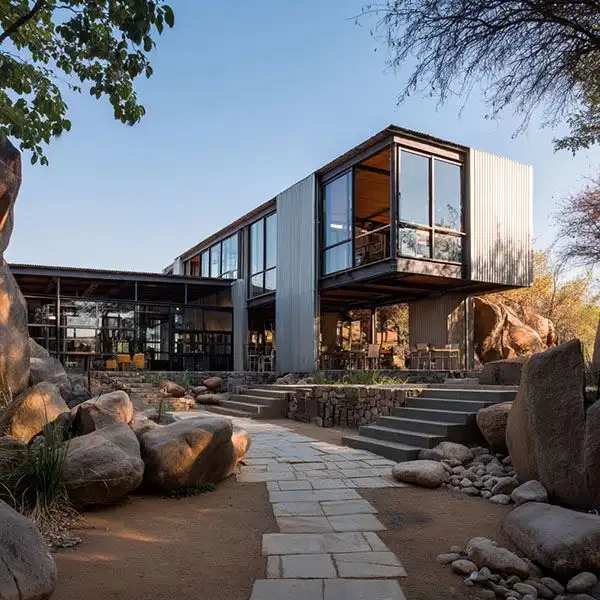
With the rapid development of the global tourism industry, resort construction is placing higher demands on design flexibilit
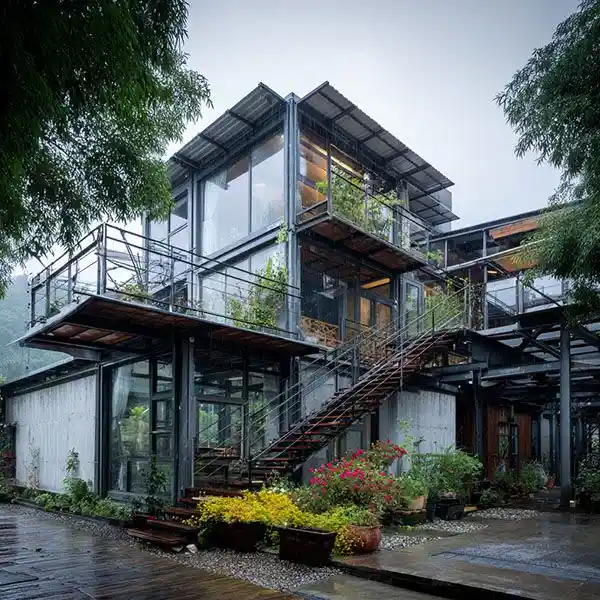
Lightweight steel-structured B&Bs achieve safety, environmental protection, and efficient operation through modular design, r

As the hotel industry continues to demand more efficiency, sustainability, and modern aesthetics, light steel structures, as
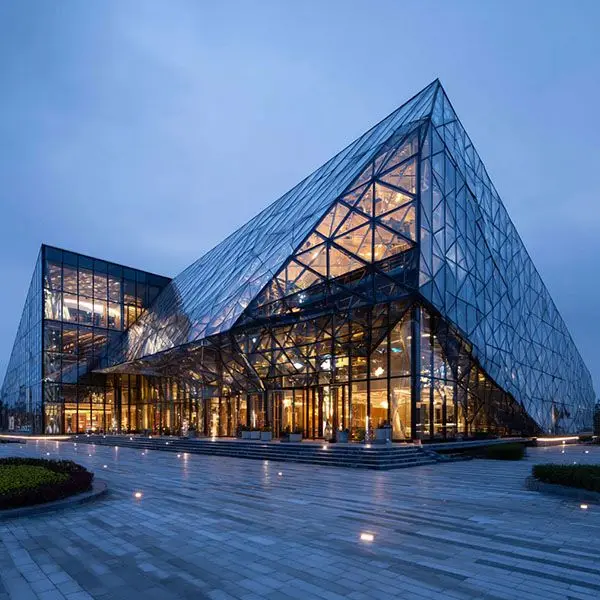
With the rapid pace of urbanization, commercial real estate increasingly demands efficient construction,high-quality structur
Contact Now