Time: 2026-06-15 01:37:42
Light steel structure homes have gained significant traction in modern construction, yet a handful of persistent myths continue to cloud the judgment of potential homeowners. From concerns about durability and insulation to fears of high costs and fire risks, these misconceptions often prevent buyers from exploring one of the most efficient and resilient building systems available. As a leading provider in this field, HBFRM STEEL has encountered these questions countless times. In this article, we separate fact from fiction by addressing seven of the most common myths surrounding light steel frame homes, providing clear, evidence-based answers to help you make an informed decision.
It is a widespread belief that steel framing lacks the robustness of concrete or the familiar solidity of timber. In reality, light gauge steel (LGS) is engineered to withstand extreme loads that would compromise traditional materials. Steel has a high strength-to-weight ratio, meaning it can carry substantial forces without adding unnecessary mass. For example, a well-designed steel frame can endure heavy snow loads, high winds, and even seismic activity better than many wood structures. HBFRM STEEL uses galvanized steel with a yield strength of at least 550 MPa, far exceeding the tensile strength of standard lumber. The perception of weakness often stems from the term “light”, which refers to the frame’s weight—not its capacity. In fact, the combination of steel framing and proper connections creates a monolithic structural system that distributes stress evenly, ensuring long-term stability.
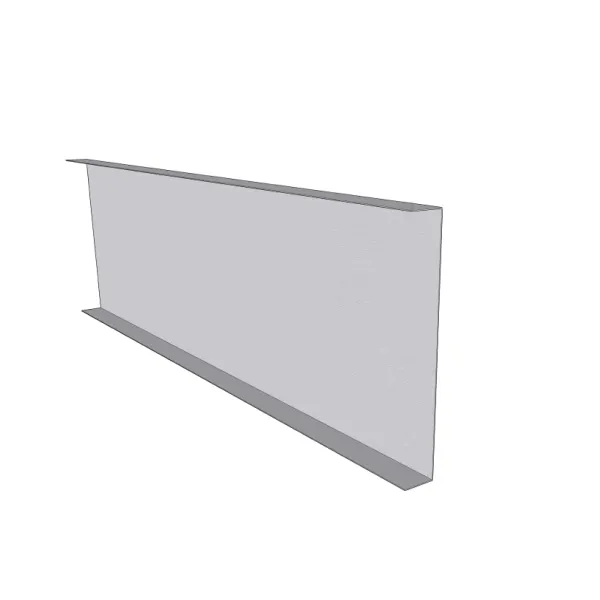
Another frequent concern revolves around thermal performance. Some assume that steel conducts heat more readily than wood, leading to energy inefficiency. However, modern light steel homes incorporate thermal break technology and continuous insulation precisely to eliminate thermal bridging. Wall assemblies typically include a layer of rigid insulation on the exterior, followed by a cavity filled with fibrous or foam insulation, and then an interior vapor barrier. The steel members themselves are often coated or embedded within the insulated envelope. Research shows that correctly installed LGS walls can achieve U-values comparable to or better than wood-framed walls of the same thickness. HBFRM STEEL recommends design options such as “offset stud” or “hat channel” systems to further minimize heat transfer. Therefore, a steel frame house can be just as comfortable—and energy-efficient—as any other construction method.
Cost is a major decision factor, and many believe that steel framing carries a premium that cannot be justified. While it is true that the material cost per square meter may be slightly higher than traditional timber, the overall project cost can be very competitive when total lifecycle expenses are considered. First, steel frames are prefabricated off-site with high precision, reducing on-site labor hours and waste disposal costs. Second, the durability of steel eliminates expenses for pest treatments, rot repairs, or mold remediation — common hidden costs in wood homes. Third, insurance premiums for steel-framed homes are often lower because of their fire resistance and structural integrity. When you factor in the speed of construction (a steel shell can be erected in days, not weeks) and minimal maintenance, the total cost of ownership often favors steel. HBFRM STEEL offers tailored packages that help customers compare upfront investment against long-term savings.
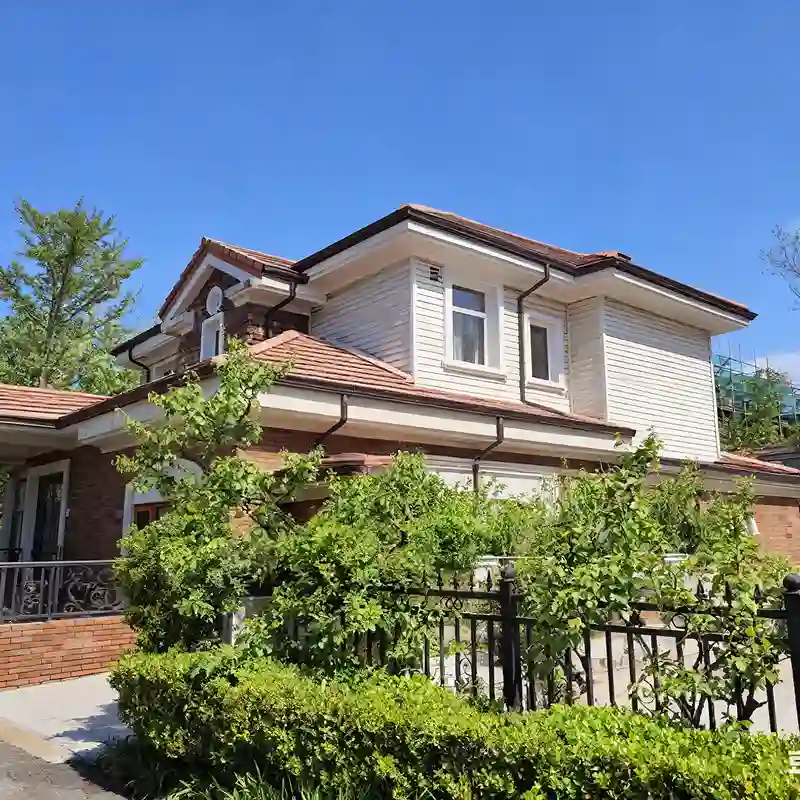
A related myth is that steel walls amplify sound, creating an echoey or uncomfortable indoor environment. In truth, acoustic performance depends on the entire assembly, not just the framing. Steel studs can transmit vibration if not properly treated, but standard solutions such as resilient channels, acoustic insulation batts, and double-layer gypsum board effectively decouple the interior finish from the frame. For instance, a typical steel-framed wall with mineral wool insulation and a staggered stud arrangement can achieve a Sound Transmission Class (STC) of 55 or higher, which is comparable to or better than wood. Furthermore, steel does not shrink or swell with humidity changes, so there is less risk of gaps forming that allow sound leakage. HBFRM STEEL provides detailed acoustic guidelines to ensure each project meets the desired comfort level.
Some homeowners worry that a metal-framed house acts like a lightning rod, attracting strikes and endangering occupants. This is a misunderstanding of how lightning protection works. Steel frames are excellent conductors of electricity, which is actually a safety advantage — they can be easily bonded to a lightning protection system, providing a direct path to the ground that dissipates the current safely. In conventional wood houses, lightning may travel through wiring or plumbing, causing fires or electrical surges. The National Fire Protection Association (NFPA) and building codes recognize steel-framed structures as compliant when proper grounding is installed. HBFRM STEEL always includes grounding connection points in the design. So, far from being a hazard, a steel home is inherently safer during thunderstorms.
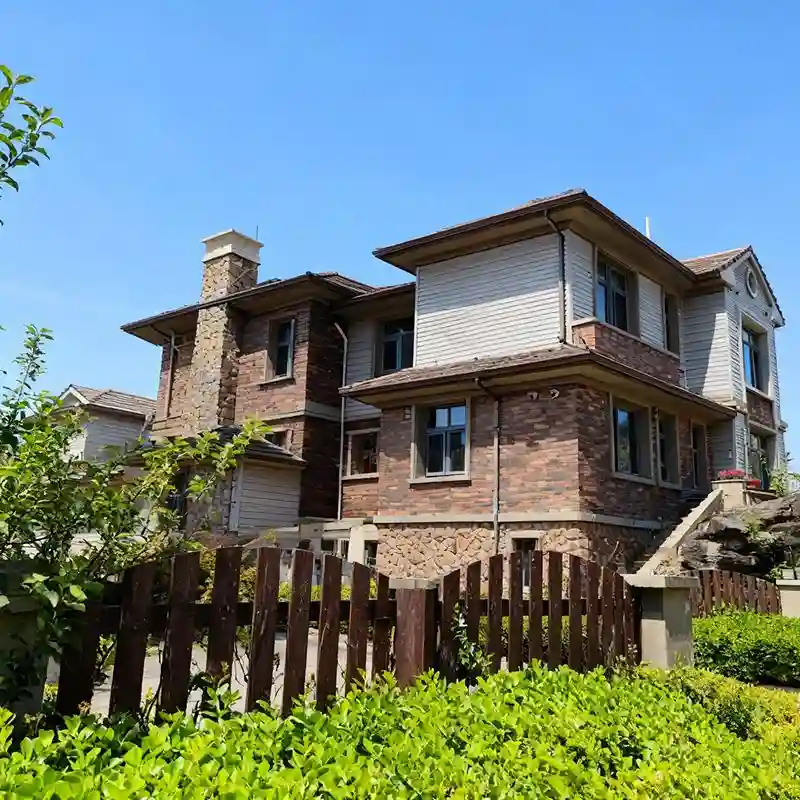
Concerns about rust are valid only if the steel is left unprotected. Modern light gauge steel frames are manufactured from zinc-coated (galvanized) steel that resists corrosion for decades. The standard G60 or G90 galvanization provides a sacrificial layer that protects the underlying steel. Additionally, steel framing is not exposed to the elements during construction—it is enclosed within the building envelope. The risk of corrosion arises primarily from improper handling (e.g., prolonged outdoor storage without cover) or exposure to persistent moisture due to design flaws. However, these issues are easily avoided with basic precautions and code-compliant detailing. HBFRM STEEL uses high-grade zinc coatings that meet ASTM standards and offers optional additional corrosion protection for coastal or high-humidity environments. Lifecycle studies indicate that properly installed steel frames can last over 100 years without significant degradation.
Finally, there is a belief that once a steel frame is up, any future changes—like adding a window or moving a wall—are nearly impossible. In reality, steel framing systems often provide greater flexibility for modifications than load-bearing masonry or concrete. Because steel frames use discrete connections (screws, bolts, or welds), individual members can be removed and replaced without compromising the whole structure. Furthermore, the modular nature of steel joists and studs allows for easy addition of new openings. For interior walls, non-load-bearing partitions can be relocated simply by unfastening them from the top and bottom tracks. Many steel home suppliers, including HBFRM STEEL, pre-design buildings with future expansion in mind, leaving access points and reinforcing potential load paths. Renovation costs may even be lower than in traditional homes because there is no need to deal with rotted wood or crumbling concrete.
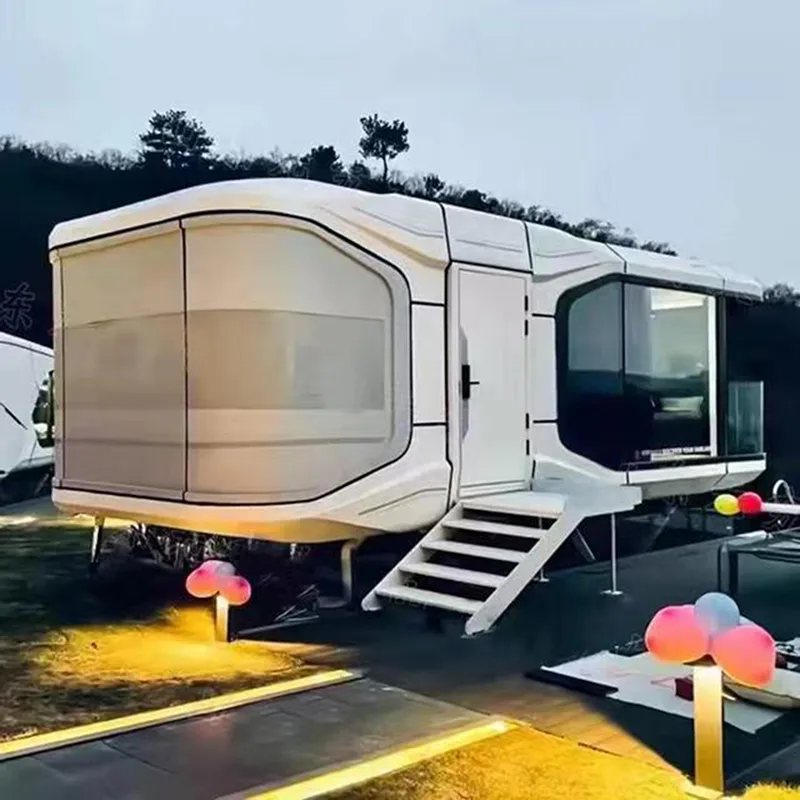
Most myths about light steel structure homes originate from outdated information or a lack of familiarity with modern engineering practices. As we have seen, steel frames offer superior strength, energy efficiency, and durability when designed and installed correctly. The key is to work with experienced suppliers who understand the nuances of the system. HBFRM STEEL provides comprehensive support from design through erection, ensuring that your steel home delivers on all its promises—comfort, safety, and long-term value. The next time you hear one of these myths, you will have the facts to set the record straight.
Contact Now