Time: 2026-08-24 01:37:27
When considering a light steel structure house, one of the most critical questions potential owners ask is: Can it truly last 50 years or more? The answer lies in understanding modern engineering, material science, and manufacturing precision. Unlike conventional wood or concrete buildings, light steel structures rely on galvanized steel frames that resist rot, pests, and environmental stress. This article provides a professional, data-backed examination of why a properly designed and maintained light steel house can exceed half a century of reliable service, with special insight into how HBFRM STEEL achieves this standard.
The foundation of a durable steel house begins with the raw material. Light steel frames are typically formed from high-strength galvanized steel coils, with zinc coating applied via hot-dip process. The zinc layer acts as a sacrificial anode: even if the steel is scratched, the surrounding zinc corrodes first, protecting the base metal. According to international standards (ASTM A653, GB/T 12755), a coating weight of Z275 (275 g/m²) or higher can provide over 50 years of protection in normal atmospheric environments, assuming proper design and maintenance.
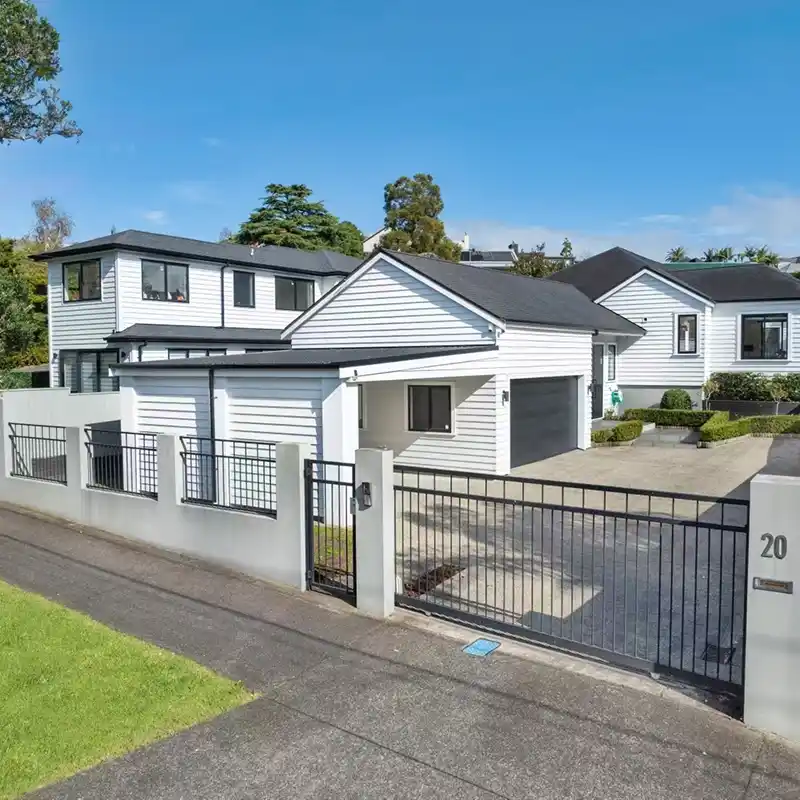
While the theoretical durability is 50+ years, real-world results depend on three pillars: corrosion protection, assembly quality, and ongoing care.
The most common threat to steel houses is rust. However, modern galvanized coating combined with additional paint systems (e.g., polyester or PVDF) can withstand salt spray, acid rain, and high humidity. For coastal or industrial areas, HBFRM STEEL recommends upgrading to Z600 coating or adding a zinc-rich primer. In typical inland climates, standard Z275 coating achieves the 50-year target without extra treatment.
Every joint in a steel frame is a potential weak point. High-quality self-tapping screws with stainless steel options, combined with thermal break strips (e.g., nylon or rubber), prevent both corrosion and heat loss. Poorly designed connections can lead to galvanic corrosion if dissimilar metals touch. HBFRM STEEL enforces strict material compatibility protocols to avoid such issues.
Light steel houses require far less maintenance than wood, but not zero. Recommended tasks include:
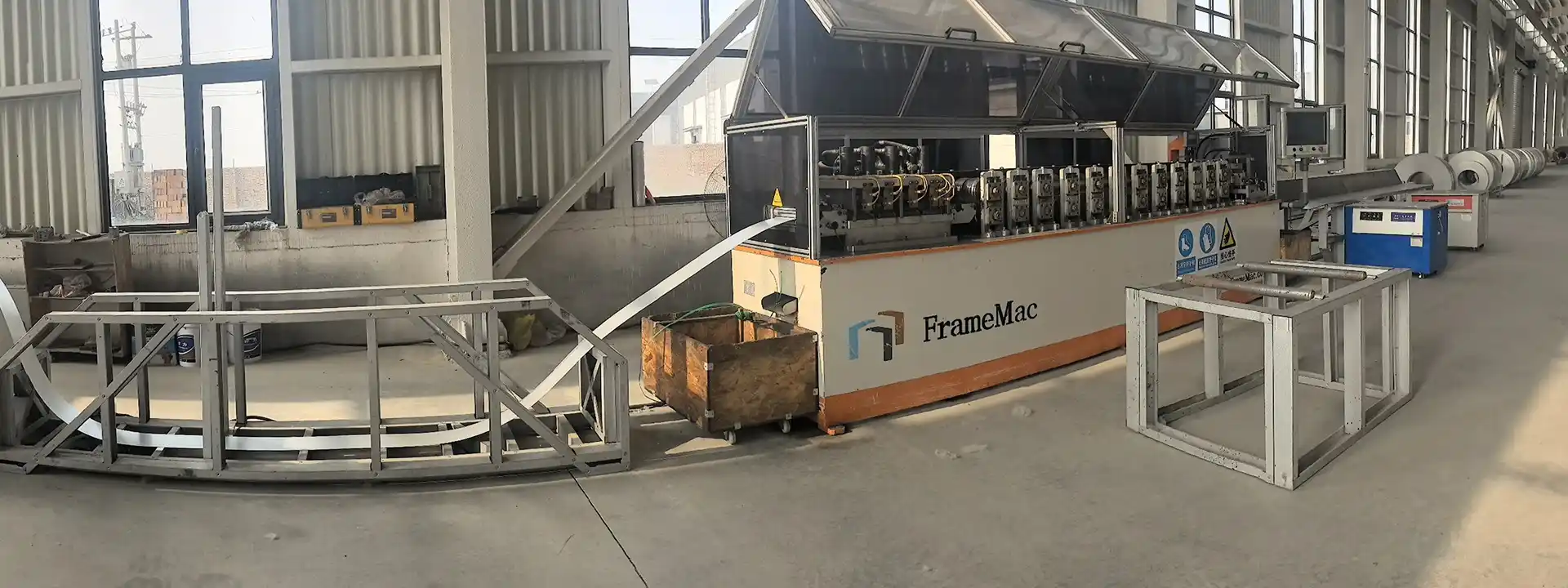
HBFRM STEEL combines decades of fabrication experience with continuous quality control. Every batch of steel is tested for tensile strength, coating thickness, and bending performance. Our production lines are equipped with automated roll-forming machines that apply a uniform, non-destructive coating layer. Beyond manufacturing, we provide detailed assembly manuals and on-site training for contractors, ensuring that joints, bracing, and fasteners meet engineering specifications. We back our light steel frames with a 50-year structural warranty on corrosion and deformation. This guarantee is only possible because of rigorous material selection and process auditing.

To put the lifespan in perspective, here is a direct comparison based on industry data:
The key advantage of steel is its predictable, consistent degradation. Unlike wood, which rots covertly, or concrete, which cracks unpredictably, steel shows signs of corrosion gradually and locally, allowing for easy early intervention. This predictability makes 50-year planning a reliable baseline.
Independent labs have subjected HBFRM STEEL's galvanized samples to cyclic salt spray and UV exposure equivalent to 60 years of outdoor exposure in moderate climates (ASTM B117 and ISO 12944). The results showed less than 5% zinc consumption, confirming that the coating still provides full protection. These tests, combined with field data from houses built 30+ years ago, give us confidence to claim the half-century milestone.
A light steel structure house is not a temporary solution; it is a permanent building system designed to serve multiple generations. With proper selection of materials, professional installation, and minimal upkeep, owners can expect 50 years of safe, comfortable living—and often much longer. When you choose HBFRM STEEL, you are selecting a partner that combines technical rigor, transparent guarantees, and a track record of performance. Whether you are building a residential home, a garden studio, or a multi-story commercial project, the 50+ year lifespan is not a marketing slogan—it is an engineering reality.
Contact Now