Time: 2026-07-27 01:37:19
When planning a new home, the initial construction cost often dominates the conversation. Yet experienced homeowners and builders know that the true cost of a house extends far beyond the foundation—it is measured in decades of upkeep, repairs, and replacements. Traditional wood-framed houses, while familiar, come with a long list of maintenance obligations: painting, sealing, termite inspections, and dealing with rot or moisture damage. Light steel homes, by contrast, offer a fundamentally different value proposition. Engineered for durability and resistance to environmental stressors, they require significantly less ongoing maintenance. For those seeking a home that stays sound and attractive with minimal effort, understanding the maintenance gap between light steel and traditional construction is essential. In this article, we examine the core differences, focusing on the long-term savings and peace of mind that come with a steel frame structure from a trusted provider like HBFRM STEEL.
Any discussion of maintenance begins with the materials themselves. Traditional houses are predominantly built with wood framing, which is an organic material. Wood is susceptible to moisture, which can lead to rot, warping, and fungal growth. It is also a food source for termites and other wood-destroying insects, requiring regular chemical treatments and inspections. Exterior surfaces typically need repainting or staining every three to seven years, depending on climate and exposure. On the other hand, light steel homes use cold-formed galvanized steel as the primary structural element. Steel is inorganic, non-combustible, and does not absorb moisture. This fundamental difference eliminates many routine maintenance tasks that wood homeowners accept as normal.
Wood can expand and contract significantly with changes in humidity, leading to nail pops, cracked drywall, and misaligned doors over time. Steel, with its high strength-to-weight ratio and dimensional stability, remains straight and true for decades. There is no shrinkage, no warping, and no settling that creates gaps or stresses in finishes. This stability not only reduces repair needs but also preserves the overall quality of interior finishes, from paint to flooring.
Termites cause billions of dollars in damage annually to wood-framed homes in the United States alone. Protecting a wood house requires soil treatments, bait systems, and regular inspections—a recurring expense and worry. Steel is impervious to termites, carpenter ants, and rodents. Similarly, mold and mildew thrive in the damp environments that wood framing can create, especially in basements or humid regions. Steel does not support mold growth, and its non-porous surface does not trap moisture. This significantly improves indoor air quality and eliminates the health risks and remediation costs associated with mold problems.

To make an informed decision, it is helpful to compare specific maintenance categories side by side. Below are the most significant areas where light steel construction outperforms traditional wood framing.
Many potential homeowners worry that the upfront cost of a light steel home might be higher than a traditional wood house. However, when you factor in reduced maintenance over a 30-year mortgage period, steel often proves to be the more economical choice. Consider the following typical costs for a 2,000-square-foot single-family home:
For a light steel house from a manufacturer like HBFRM STEEL, those costs are reduced by 70–80%. The galvanized steel frame requires no painting, no pest control, and no rot repair. The main expenses shift to routine home maintenance that applies to any structure: roof replacement (every 20–30 years), appliance servicing, and cosmetic updates. The result is tens of thousands of dollars in savings, not to mention the time and hassle of scheduling contractors and dealing with unexpected problems.
Furthermore, insurance premiums for steel-framed homes are often lower because insurers recognize the reduced risk from fire, wind, and pests. A 10–15% discount on homeowners insurance is not uncommon, adding to the financial advantage.
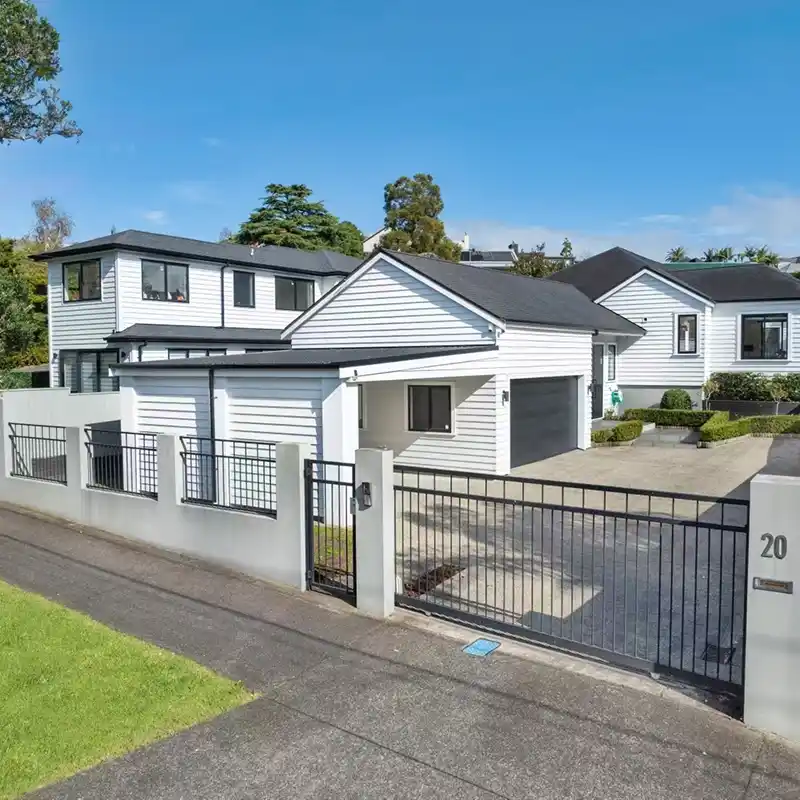
Some potential buyers worry that steel houses will be cold, noisy, or difficult to modify. Modern light steel construction addresses these concerns effectively. Steel frames are designed with thermal breaks and insulation strategies that achieve energy performance equal to or better than wood framing. Sound transmission can be managed with resilient channels and proper insulation. And adding a wall or hanging a cabinet is no more difficult than in a wood house—special self-tapping screws and clips make attachment straightforward. The key is working with a reputable manufacturer like HBFRM STEEL that provides comprehensive engineering details and support.
Choosing the structural system for a new home is a decision that will affect your daily life and finances for decades. Light steel homes offer a clear advantage in terms of lower maintenance, reduced risk, and long-term cost savings. While the initial price may be comparable to premium wood construction, the avoidance of recurring tasks like painting, termite treatment, and rot repair makes steel the more practical and economical choice. For homeowners who value durability, efficiency, and peace of mind, a light steel frame from HBFRM STEEL represents a sound investment that keeps on giving—year after year, without the constant demand for upkeep.
Contact Now