Time: 2026-04-14 03:31:10
Space capsule houses are gaining popularity for their innovative design, compact structure, and sustainable living potential. Unlike traditional houses, these modular units can be deployed in remote areas, urban rooftops, or temporary settlements without the need for extensive groundwork. One of the most appealing features of space capsule houses is their ability to be installed without a conventional foundation, making the construction process faster, more flexible, and cost-effective. In this article, we will provide a comprehensive guide on how to install a space capsule house without a foundation, covering site preparation, structural support options, safety measures, and long-term maintenance.
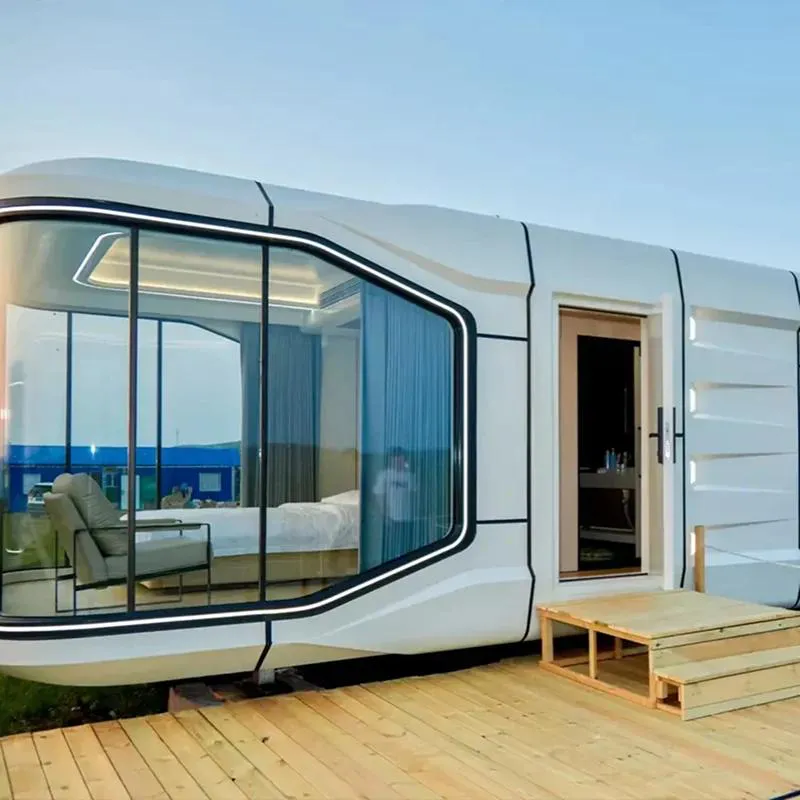
Traditional buildings require concrete foundations or reinforced footings to support weight, resist soil settlement, and ensure stability. However, space capsule houses are designed to be lightweight, self-supporting, and modular, which allows for alternative installation methods. Installing a capsule house without a foundation does not mean neglecting stability; instead, it involves using engineered support systems such as adjustable piers, steel frames, or precast pads that distribute weight evenly while minimizing ground disturbance. Understanding this concept is crucial to prevent structural issues, maintain safety, and comply with local building codes.
Step 1: Site Selection and Assessment
Before installation, carefully select a suitable location for your space capsule house. Ideal sites are level or gently sloped, with compacted soil or a firm surface to prevent uneven settling. Conduct a soil assessment to determine load-bearing capacity, drainage conditions, and potential risks such as erosion or flooding. If the site is uneven, consider minor grading or leveling to create a stable platform for the capsule. Accessibility for transportation equipment and utilities should also be evaluated, as these factors influence installation efficiency and long-term usability.
Step 2: Choosing the Right Support System
Without a conventional foundation, your capsule house must rely on alternative support mechanisms. Common options include:
Adjustable Steel Piers: These are steel supports that can be leveled and anchored into the ground. They allow for precise height adjustment and provide excellent stability on uneven surfaces.
Precast Concrete Pads: Small, modular concrete pads can be placed under each load-bearing point of the capsule. They distribute weight and prevent soil compaction or shifting.
Timber or Composite Decking: For temporary or semi-permanent installations, treated timber or composite beams can serve as a base platform. Ensure the material is durable, rot-resistant, and designed to handle the capsule's load.
Hybrid Frames: Combining steel piers with a lightweight platform frame ensures flexibility and structural integrity, especially for sites with variable soil conditions.
Selecting the appropriate support system depends on the capsule’s size, weight, intended use, and environmental conditions.
Step 3: Transportation and Site Preparation
Once the site is ready and the support system is chosen, the next step involves transporting the capsule house to the location. Space capsule houses are typically modular and prefabricated, allowing them to be moved with cranes, flatbed trucks, or specialized lifting equipment. During transportation, it is essential to secure the unit properly to prevent damage. At the installation site, clear debris, mark load points, and verify that the support system is aligned accurately with the capsule’s structural base.
Step 4: Leveling and Securing the Capsule House
Proper leveling ensures stability, prevents water accumulation, and maintains structural integrity over time. Use laser levels, spirit levels, or digital inclinometers to adjust the supports so that the capsule sits perfectly horizontal. Once the house is level, secure it to the supports using appropriate fasteners or anchor brackets. While a foundation-free installation does not require deep anchoring, adding lateral restraints or tie-downs enhances safety, especially in areas prone to high winds or seismic activity.
Step 5: Connecting Utilities and Ensuring Safety
Even without a traditional foundation, a space capsule house requires functional utilities for modern living. Electrical, plumbing, and HVAC systems can be installed using flexible connections designed for modular structures. Ensure that all connections comply with local regulations and that conduits or pipes are protected from movement and environmental stress. Safety measures should include grounding for electrical systems, non-slip surfaces on the platform, and adequate ventilation for enclosed spaces.
Step 6: Long-Term Maintenance and Inspection
A foundation-free space capsule house requires ongoing monitoring to maintain stability and performance. Regularly inspect the support points for signs of settling, corrosion, or damage. Check that leveling adjustments remain intact, and address any soil erosion or water pooling around the base. Maintaining proper drainage and ensuring that weight is evenly distributed will extend the lifespan of the installation while preserving the safety and comfort of occupants.
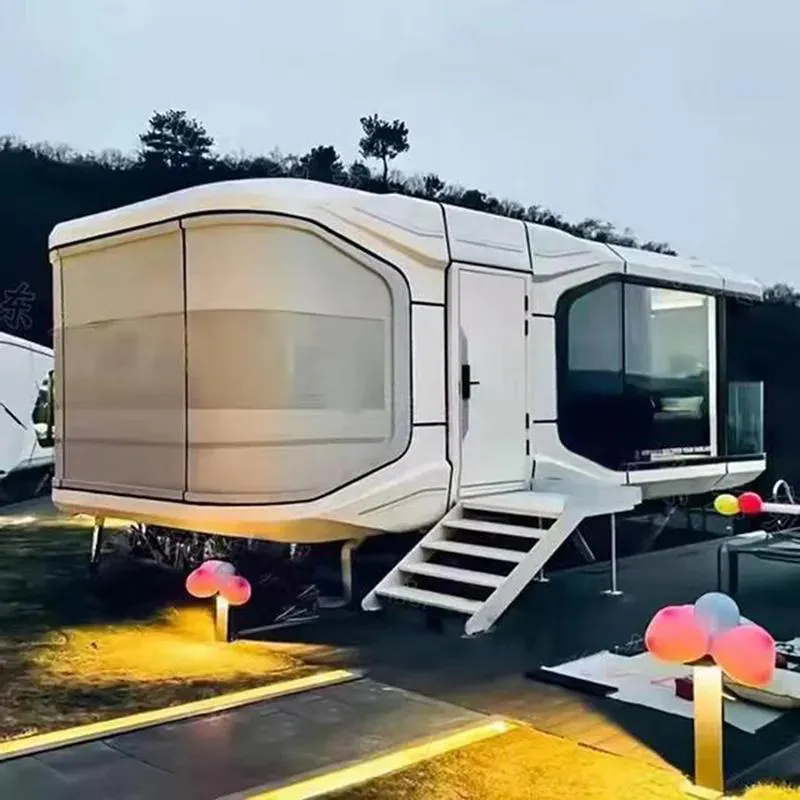
Choosing a foundation-free installation method offers several advantages:
Speed: Eliminates the time and cost associated with pouring concrete foundations.
Flexibility: Allows relocation or reconfiguration of the capsule with minimal site disruption.
Reduced Environmental Impact: Minimizes excavation and preserves natural soil conditions.
Cost-Effective: Lowers material and labor costs compared to traditional construction methods.
Adaptability: Ideal for remote locations, temporary shelters, or urban infill projects.
These benefits make space capsule houses an attractive solution for modern living, emergency response, and innovative architectural applications.
Installing a space capsule house without a foundation is a practical and efficient approach to modular living, provided the process is carefully planned and executed. By assessing the site, selecting the right support system, leveling and securing the capsule, connecting utilities safely, and maintaining regular inspections, homeowners and developers can achieve a stable, durable, and comfortable installation. This method not only saves time and cost but also promotes sustainable construction practices by reducing ground disturbance. Whether for personal use, urban expansion, or experimental architecture, understanding how to install a space capsule house without a foundation ensures a successful and safe deployment.
Contact Now