Time: 2026-06-08 01:37:26
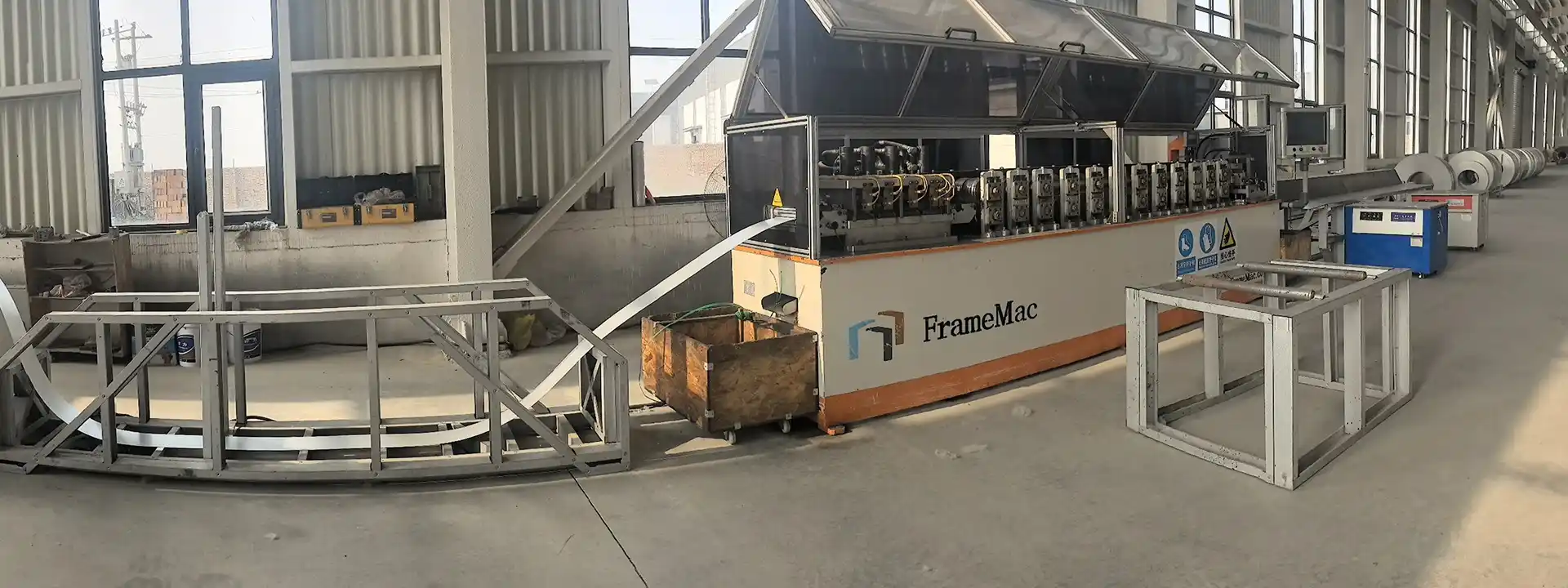
When choosing a structural system for residential or commercial buildings, the debate between light steel houses and concrete structures often centers on performance, cost, and long-term value. While concrete has been a traditional choice for decades, lightweight steel framing has emerged as a superior alternative in multiple critical areas. This article examines five key domains where light steel houses consistently outperform concrete, providing data-backed insights for property developers, architects, and homeowners. As a trusted name in the industry, HBFRM STEEL supplies high-quality light steel components engineered for durability and efficiency.
The most immediate advantage of light steel houses is erection speed. A typical concrete structure requires weeks for formwork, curing, and stripping—often 21 to 28 days per floor. In contrast, a light steel frame can be erected in days. Prefabricated panels arrive at the site ready for assembly, eliminating wet trades and weather delays. This accelerated schedule translates directly into lower labor costs and earlier occupancy.
Projects using HBFRM STEEL lightweight framing have reported 30–40% reduction in overall schedule, allowing developers to start interior work earlier and realize revenue sooner.
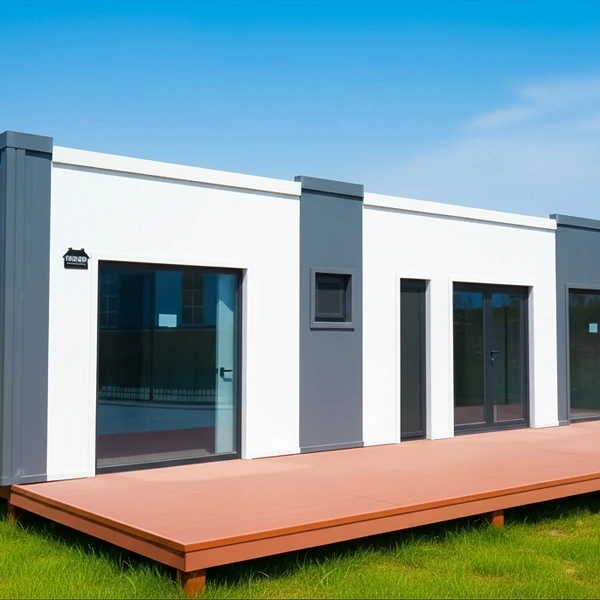
Unlike concrete, which relies on rigid forms and load-bearing walls, light steel houses offer exceptional design flexibility. Cold-formed steel sections can span longer distances without intermediate columns, enabling open-plan layouts and large window openings that are difficult or costly with concrete. Architects can incorporate curved walls, cantilevers, and irregular shapes with standard C-sections and tracks.
HBFRM STEEL provides custom-designed framing solutions that match complex architectural requirements without the need for expensive formwork or heavy machinery.
While the initial material cost of light steel houses can be comparable or slightly higher than concrete, the total lifecycle cost is significantly lower. Concrete structures are prone to cracking, water ingress, and reinforcing steel corrosion over time—especially in humid or coastal environments. Light steel frames, when properly galvanized and protected, resist rust and termite damage indefinitely.
Additionally, light steel houses can be disassembled and recycled at end of life, offering a circular economy advantage that concrete cannot match.
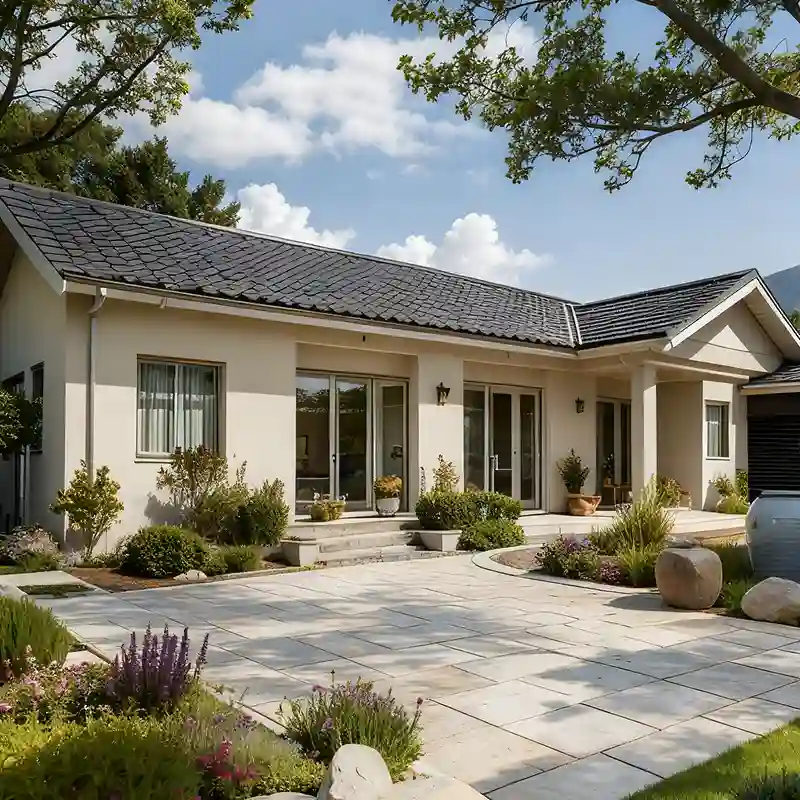
Light steel walls enable high-performance building envelopes with continuous insulation and thermal breaks. Concrete has high thermal mass but low insulation value, requiring thicker walls or additional insulation layers. Steel stud walls can accommodate insulation batts or rigid foam without thermal bridging, achieving U-values as low as 0.15 W/m²K.
Environmental Impact ComparisonHBFRM STEEL sources steel from mills with high recycled content, further reducing the carbon footprint of your project.
Seismic performance is a standout area for light steel houses. Steel’s high strength-to-weight ratio and ductility allow frames to bend without brittle failure, dissipating earthquake energy. Concrete, while strong in compression, is weak in tension and cracks suddenly under cyclic loads.
In real-world tests, light steel houses have demonstrated vastly lower repair costs after natural disasters. This translates into lower insurance premiums and peace of mind for owners.
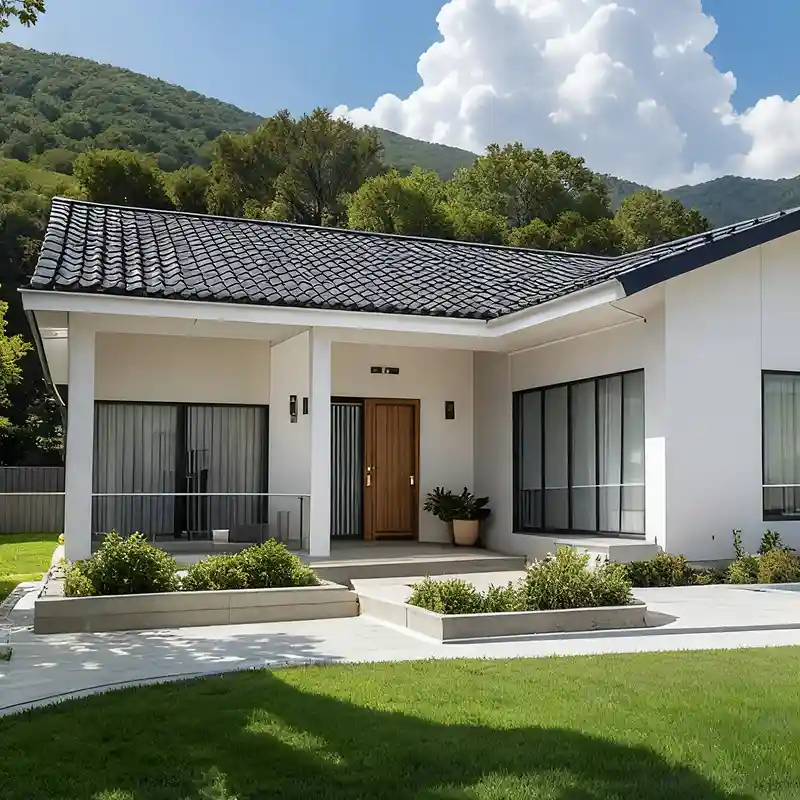
Initial costs can be similar depending on region and design complexity. However, savings from speed, reduced labor, lower maintenance, and energy efficiency typically make steel the more economical choice over the building’s life.
With proper galvanization (G180 or higher), light steel frames have a service life exceeding 50 years without degradation. HBFRM STEEL provides a 50-year warranty on its structural components against corrosion and defects.
Absolutely. Light steel framing is used for buildings up to 12 stories internationally. HBFRM STEEL offers engineered solutions for mid-rise residential and commercial projects, with pre-engineered lateral systems for seismic zones.
When evaluated across speed, design flexibility, lifecycle cost, energy efficiency, and safety, light steel houses demonstrate clear advantages over concrete structures. For project owners seeking higher performance, lower total cost of ownership, and environmental responsibility, investing in light steel technology is an evidence-based decision. HBFRM STEEL is committed to delivering the highest quality cold-formed steel framing that meets these standards. Contact our engineering team to discuss your next project and see how light steel can outperform concrete—starting from day one.
Contact Now